opiate overdose
Opiate Overdose: Warning Signs, Emergency Response, Naloxone, and the Role of Ketamine Research
Opiate Overdose: Why Recognising the Warning Signs Can Save a Life
Opiate overdose is a serious medical emergency that occurs when an excessive amount of an opioid or opiate overwhelms the body’s ability to function normally. Breathing can become dangerously slow or stop altogether, depriving the brain and other organs of oxygen. Without urgent intervention, permanent injury or death may occur.
Recognising the warning signs, calling emergency services, and administering naloxone when available can make a life-saving difference. This guide explains how opioid overdose happens, who may be at risk, what to do during an emergency, and why naloxone is important.
It also examines ketamine’s separate role in medical science, including research into pain management and topical ketamine cream.
1. What Is an Opiate Overdose?
Opiates are substances derived from the opium poppy, while opioids include natural, semi-synthetic, and synthetic substances that act on opioid receptors. Examples include morphine, codeine, oxycodone, heroin, and fentanyl.
These substances can reduce pain by changing how the brain and nervous system process pain signals. However, they also affect areas of the brain responsible for controlling breathing.
During an overdose, opioid activity can suppress the respiratory system. Breathing may become shallow, irregular, or completely absent. As oxygen levels fall, the brain and other vital organs can be damaged.
An overdose can happen with prescription medication, illegally manufactured substances, or combinations of drugs. It is not limited to people who use opioids recreationally.
2. Seven Warning Signs You Should Never Ignore
The signs of an opioid overdose can develop quickly. A person may appear unusually sleepy before becoming unresponsive.
Watch for these warning signs:
- Unconsciousness: The person cannot be awakened by calling their name or gently stimulating them.
- Slow or absent breathing: Breathing may become extremely shallow, irregular, or stop.
- Gurgling or choking sounds: Unusual snoring-like noises may occur when the person is unconscious and struggling to breathe.
- Pinpoint pupils: The pupils may become unusually small.
- Discoloured lips or fingernails: These may appear blue, purple, grey, or unusually pale.
- Limp body: The person’s muscles may become unusually relaxed.
- Cold or clammy skin: The skin may feel cold or appear pale and sweaty.
Not every person will display all these symptoms. If an overdose is suspected, do not wait for every warning sign to appear. Treat the situation as an emergency.
3. What Should You Do During an Opiate Overdose?
A quick response can help prevent oxygen deprivation and serious complications.
Step 1: Contact emergency services immediately.
Tell the operator that you suspect an opioid overdose. Give the person’s location and describe their breathing and level of consciousness.
Step 2: Administer naloxone if available.
Naloxone is an opioid overdose reversal medicine. Use the available nasal spray or injectable product according to its instructions. Do not delay emergency assistance while searching for it.
Step 3: Support breathing.
If the person is not breathing normally, follow the emergency operator’s instructions. If trained, provide rescue breathing or CPR as appropriate.
Step 4: Place the person in the recovery position if breathing normally.
If the person is unconscious but breathing, place them on their side to help reduce the risk of choking if vomiting occurs.
Step 5: Stay with the person.
Continue monitoring their breathing and responsiveness until medical professionals arrive. Do not assume the danger has passed simply because they regain consciousness.
Even after naloxone is administered, emergency medical assessment remains essential.
Emergency information for Cameroon: The Ministry of Territorial Administration lists SAMU medical emergency assistance at 119 or 19, and fire services at 118 or 18. Emergency-service availability can vary by location.
4. Naloxone: How Does This Life-Saving Medicine Work?
Naloxone is an opioid antagonist. It works by binding to opioid receptors and blocking or reversing the effects of opioids.
When someone experiences an opioid overdose, naloxone can help restore breathing by reversing opioid-related respiratory depression.
Important facts about naloxone
- Rapid action: It can begin reversing opioid effects within minutes.
- Different formulations: It is available in products such as nasal sprays and injections.
- Repeat administration: Additional doses may be necessary if the person does not respond or overdose symptoms return. Follow the product instructions and emergency guidance.
- Temporary effect: Naloxone may wear off before the opioid has left the body.
- Emergency follow-up: Medical assessment is still necessary, even if the person appears to recover.
Naloxone is not a treatment for every type of drug overdose. Its primary purpose is reversing opioid effects. It does not replace emergency medical care.
5. What Increases the Risk of an Opioid Overdose?
Several factors can increase the likelihood of an overdose.
Taking more medication than prescribed: Excessive opioid exposure can suppress breathing.
Combining substances: Alcohol, benzodiazepines, sleeping tablets, and other sedating substances can intensify respiratory depression.
Reduced tolerance: Someone who has stopped using opioids for a period may have a lower tolerance. Returning to a previously used amount can be dangerous.
Unexpected drug strength: Illegally manufactured substances may contain unpredictable quantities of powerful synthetic opioids.
Certain health conditions: Respiratory disorders and some liver or kidney conditions may increase medication-related risks.
Prescription medicines should only be taken according to professional instructions. Patients should also discuss their overdose risk and access to naloxone with a healthcare professional. By learning more click here..
6. Ketamine and Opioids: Understanding the Scientific Difference
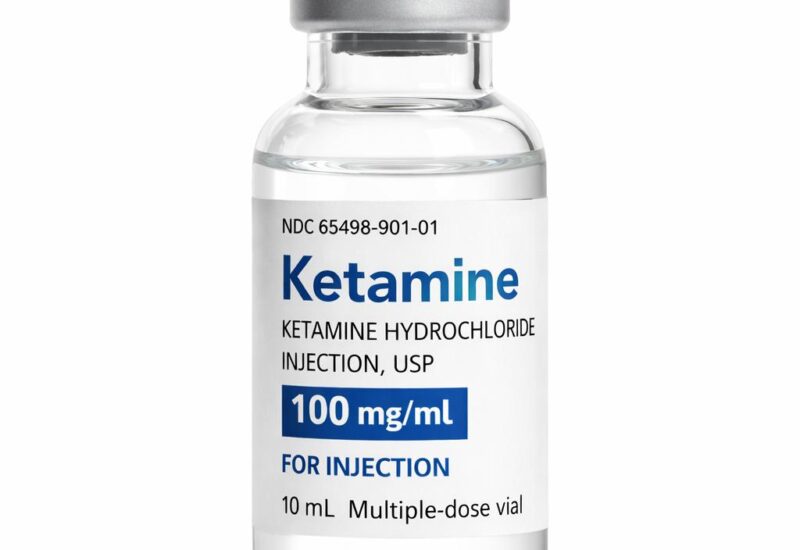
Ketamine is a different type of medicine from morphine, codeine, and other opioids.
Its principal pharmacological action involves antagonism of NMDA receptors, which respond to glutamate, an important neurotransmitter involved in communication between nerve cells.
This mechanism has made ketamine important in several areas of medical science:
- Anaesthesia: Ketamine has an established role as a dissociative anaesthetic in appropriate clinical settings.
- Pain research: Scientists investigate how it influences pain signalling and central nervous system sensitisation.
- Neuroscience: Its effects help researchers examine NMDA receptor activity and neural communication.
- Mental-health research: Ketamine has attracted attention in depression research. Esketamine, a related medicine, has specific approved indications for certain adults and requires supervised administration.
However, ketamine is not an opioid overdose reversal medicine. It does not replace naloxone, emergency services, or appropriate respiratory support. It should never be used as a home remedy for an overdose.
7. Ketamine Cream: Its Research Interest and Medical Limitations
Ketamine cream is a topical formulation that has been investigated for selected pain conditions, particularly neuropathic pain.
Neuropathic pain develops when nerves or the nervous system become damaged or dysfunctional. It can produce burning sensations, tingling, shooting discomfort, and unusual sensitivity to touch.
Why are researchers interested in topical ketamine?
Ketamine affects NMDA receptors, which participate in pain processing. Researchers have therefore investigated whether compounded topical preparations might influence certain localised pain symptoms.
A topical formulation is different from an intravenous infusion or an intranasal medicine. It is applied to the skin, and its absorption and potential effects depend on the formulation and other factors.
What should patients understand about ketamine cream?
Research has explored topical ketamine in conditions such as complex regional pain syndrome and other neuropathic pain disorders. However, the evidence remains limited and inconsistent.
Important limitations include:
- It has not been established as a reliable general treatment for nerve pain.
- Compounded ketamine cream is not FDA-approved as a finished topical medicine.
- Skin application does not guarantee that the substance remains entirely local.
- Safety and effectiveness depend on the specific formulation and clinical circumstances.
Ketamine cream is not an overdose treatment and cannot reverse opioid-related respiratory depression. Research-grade ketamine should never be used to prepare personal creams or applied to the skin.
Any proposed treatment must be assessed by a qualified healthcare professional.
8. Preventing Future Overdose Emergencies
Prevention involves education, responsible medication use, and access to appropriate support.
Consider these practical measures:
- Keep prescription opioids in secure storage.
- Never share prescription medication.
- Avoid combining opioids with alcohol or unapproved sedatives.
- Learn to recognise overdose symptoms.
- Discuss naloxone availability with a healthcare professional.
- Seek professional support for opioid dependence or substance-use problems.
- Ensure family members or trusted people know how to respond to an emergency.
Opioid dependence can be treated. Evidence-based treatment, including medicines such as buprenorphine or methadone where appropriate, can help people manage opioid use disorder. Support should be provided without stigma or judgement. <Cite refs={[“turn873902search5″,”turn873902search12”]}/>
9. KetamineResearchLabs: Research Information and Our LabsStore
At KetamineResearchLabs, we recognise the importance of pharmaceutical education, scientific research, and transparent product information.
Through KETAMINERESEARCHLABS.COM, visitors can explore our LabsStore and available ketamine-related research product categories.
Our product information focuses on details that matter when evaluating research materials, including:
- Product identity and descriptions.
- Available chemical specifications.
- Batch or lot information.
- Certificates of Analysis, where provided.
- Relevant storage and handling information.
- Intended-use and regulatory statements.
We aim to make research-focused product information accessible to audiences in the USA and internationally, subject to applicable laws and product availability.
We encourage visitors to assess product quality through appropriate documentation and verification rather than unsupported claims. A Certificate of Analysis can provide batch-specific analytical information, but it does not prove that a product is approved for human treatment or clinically effective.
Our LabsStore provides a place to review available product descriptions and documentation. Research materials must only be used for their authorised purposes and must not be treated as substitutes for prescription medicines or emergency treatments.
Frequently Asked Questions
Can an opiate overdose happen with prescription medication?
Yes. An overdose can occur when prescription opioids are taken incorrectly, in excessive amounts, or alongside substances that suppress breathing.
Can someone survive an opioid overdose?
Yes. Rapid emergency assistance, respiratory support, and naloxone when available can prevent death and reduce the risk of serious injury.
Does naloxone work on every overdose?
No. Naloxone reverses opioid effects. It does not reverse overdoses caused solely by substances that do not act on opioid receptors.
Can ketamine cream prevent an opioid overdose?
No. Ketamine cream is not an opioid antidote and has no established role in reversing opioid overdose.
Where can I learn about KetamineResearchLabs products?
Visit KETAMINERESEARCHLABS.COM to explore available research-focused product information and the LabsStore.
Final Thoughts: Knowledge, Prevention, and Responsible Research
An opiate overdose can become fatal within minutes, particularly when breathing is severely suppressed. Recognising the warning signs, contacting emergency services, supporting breathing, and administering naloxone when available are essential actions that can save lives.
Ketamine has an important but separate role in anaesthesia and medical research. Ketamine cream remains an area of investigation with significant evidence limitations, and neither ketamine nor its topical formulations should be confused with opioid overdose treatment.
At KetamineResearchLabs, we support scientific education, responsible research, and transparent product information.
Explore our website and LabsStore for available research-focused product information.
Website: KETAMINERESEARCHLABS.COM
Email: [email protected]
Stay informed for your health and well-being! SHOP NOW.
For medical emergencies, contact local emergency services immediately. For treatment decisions, consult qualified healthcare professionals and follow applicable laws and clinical guidance at ketamineresearch labs.