opioid use disorder
Opioid Use Disorder: Signs, Causes, Treatment Options, Recovery Support, and the Role of Ketamine Research
Opioid Disorder: Understanding the Condition and Finding a Path to Recovery
(OUD) is a chronic but treatable medical condition characterised by difficulty controlling opioid use despite harmful consequences. It can affect people who use prescription pain medication, heroin, fentanyl, or other opioids. The condition can influence physical health, emotional well-being, relationships, employment, and everyday responsibilities.
However, opioid use disorder does not mean someone has failed or cannot recover. With appropriate medical treatment, ongoing support, and evidence-based care, many people can regain stability and improve their quality of life.
This guide explores the warning signs, contributing factors, diagnosis, treatment options, and recovery process. It also discusses ketamine’s importance in medical research, including investigations into ketamine cream, while explaining what the available evidence does—and does not—show.
1. What Happens When Opioid Use Becomes Difficult to Control?
Opioids interact with receptors in the brain and nervous system. They can reduce pain, produce feelings of relaxation, and activate reward pathways associated with pleasure.
With repeated exposure, the brain can adapt to their effects. Some individuals develop tolerance, meaning they need more of a substance to experience the same effect. Physical dependence may also develop, causing withdrawal symptoms when opioid use is reduced or stopped.
OUD involves more than physical dependence. It includes a pattern of compulsive use, cravings, and difficulty controlling consumption despite negative consequences.
A person taking prescribed opioids under appropriate medical supervision does not automatically have opioid use disorder.
2. Recognising the Signs: When Should Someone Seek Help?
OUD can develop gradually, and the warning signs may initially be difficult to recognise.
Common indicators include:
- Persistent cravings: Strong urges to take opioids, even when the person intends to stop.
- Loss of control: Taking larger amounts or using medication for longer than intended.
- Repeated unsuccessful attempts to stop: Wanting to reduce use but finding it difficult.
- Increased tolerance: Needing more of a substance to achieve the same effect, outside appropriate medical supervision.
- Withdrawal symptoms: Experiencing discomfort when opioid use decreases.
- Neglected responsibilities: Missing work, school, family commitments, or important activities.
- Continued use despite harm: Continuing opioid consumption despite physical, emotional, financial, or relationship problems.
Healthcare professionals use established diagnostic criteria to assess the condition. Two or more qualifying symptoms within a 12-month period may indicate OUD, with severity determined by the number of criteria met.
3. Why Does Opioid Use Disorder Develop?
There is no single explanation for why someone develops OUD. Biological, psychological, social, and environmental factors can contribute.
Long-term opioid exposure: Prolonged exposure to opioid medicines can increase the risk of tolerance, dependence, and problematic use.
Chronic pain: Some individuals begin taking opioids after an injury, surgery, or persistent pain condition. Continued exposure may increase their risk of developing difficulties with opioid use.
Mental-health challenges: Depression, anxiety, trauma, and other psychological difficulties may influence substance-use patterns.
Genetic and biological factors: Differences in brain chemistry, genetics, and individual responses to substances can influence vulnerability.
Environmental pressures: Social isolation, stress, easy access to substances, and exposure to substance use within a person’s environment may also contribute.
Understanding these factors helps healthcare professionals develop treatment plans that address the whole person rather than focusing only on substance consumption.
4. Diagnosis: How Is OUD Identified?
A healthcare professional usually begins with a confidential discussion about the person’s opioid use, medical history, symptoms, and treatment goals.
The assessment may include:
- Reviewing prescription and non-prescription opioid use.
- Discussing cravings, tolerance, and withdrawal.
- Evaluating physical and psychological health.
- Assessing the impact on relationships and daily responsibilities.
- Identifying other substance use or medical conditions.
A diagnosis should be made through a proper clinical assessment, not an online questionnaire alone.
Early identification is important because appropriate treatment can reduce the risk of overdose and other serious complications.
5. Treatment Options: What Actually Helps Recovery?
OUD is treatable, and evidence-based treatment can help people manage cravings, reduce withdrawal symptoms, and prevent overdose.
Three medications are approved in the United States for treating OUD:
| Treatment | How it helps |
|---|---|
| Buprenorphine | Reduces cravings and withdrawal symptoms while limiting the effects of other opioids |
| Methadone | Helps control withdrawal and cravings through carefully supervised treatment |
| Naltrexone | Blocks opioid receptors and reduces the effects of opioids when appropriately initiated |
Each medication has different benefits, risks, and eligibility requirements. A clinician should help select the appropriate option.
Importantly, detoxification alone is generally not recommended as a complete treatment for OUD. Without continuing treatment, the risk of returning to opioid use and experiencing an overdose can increase, particularly after tolerance decreases.
Beyond medication: Support that strengthens recovery
Medication is an important part of treatment, but other forms of support can also make a difference.
- Counselling: Helps individuals understand substance-use patterns and develop healthier coping strategies.
- Behavioural therapy: Can address triggers, harmful thought patterns, and challenges that affect recovery.
- Family support: Encourages understanding, communication, and a more supportive home environment.
- Peer recovery groups: Provide opportunities to connect with people who understand similar experiences.
- Ongoing medical care: Helps monitor progress and address physical or psychological health needs.
Recovery should be approached as an ongoing process rather than a single event.
6. Where Does Ketamine Fit into Addiction Research?
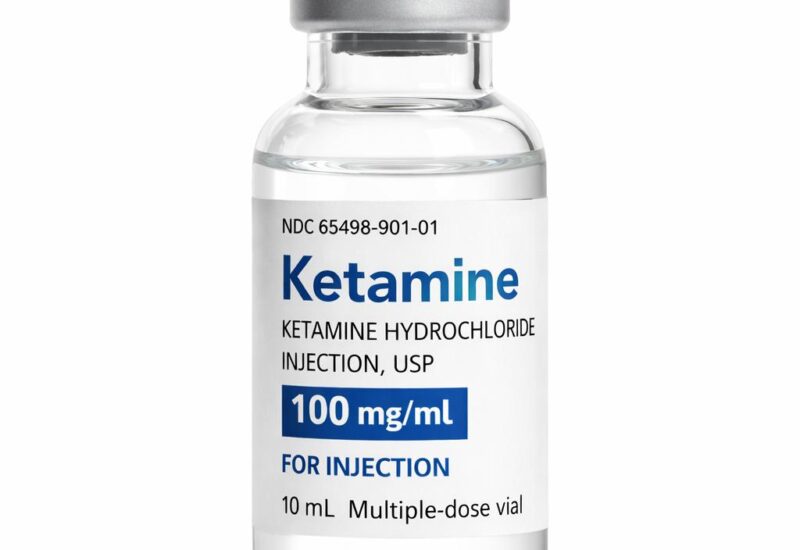
Ketamine is a dissociative anaesthetic with a different pharmacological mechanism from conventional opioids.
It primarily acts as an NMDA receptor antagonist. NMDA receptors respond to glutamate, a neurotransmitter involved in communication between nerve cells, learning, memory, and neural plasticity.
Researchers study ketamine because these pathways are relevant to several areas of neuroscience.
Its established and developing areas of medical importance include:
Anaesthesia: Ketamine has an established role in selected medical procedures and clinical settings.
Pain science: Researchers investigate its influence on pain processing and central sensitisation.
Depression research: Ketamine has attracted considerable interest in treatment-resistant depression. Esketamine, a related medicine, has specific approved indications for certain adults and requires supervised administration.
Addiction research: Preliminary studies have investigated whether ketamine-assisted psychotherapy may influence cravings and recovery outcomes in certain substance-use disorders, including OUD. However, the evidence remains limited, and larger controlled studies are needed.
Ketamine is not currently an established or FDA-approved medication for treating opioid use disorder. It must not replace buprenorphine, methadone, naltrexone, or other evidence-based OUD care. https://www.cdc.gov/overdose-prevention/hcp/clinical-care/opioid-use-disorder-treating.html
7. Ketamine Cream: Understanding Its Potential and Limitations
Ketamine cream is a compounded topical formulation that has attracted research interest, particularly in relation to certain types of pain.
To understand why, it helps to examine neuropathic pain.
Neuropathic pain occurs when nerves or the nervous system become damaged or dysfunctional. It may produce burning, tingling, shooting sensations, or unusual sensitivity to touch.
Because ketamine influences NMDA receptor activity, researchers have investigated whether topical formulations might affect selected pain pathways.
What are the possible research applications?
Investigations have examined compounded topical ketamine in conditions involving localised neuropathic pain and complex regional pain syndrome.
The scientific interest relates to ketamine’s interaction with pain-processing pathways. However, the results have not established topical ketamine as a dependable general treatment for nerve pain.
What should people know before considering ketamine cream?
- Compounded ketamine cream is not FDA-approved as a finished topical medicine.
- Evidence supporting its general use remains limited and inconsistent.
- Absorption through the skin can vary depending on the formulation and application circumstances.
- It is not an established treatment for opioid dependence, cravings, or withdrawal.
- It cannot replace evidence-based medication treatment for OUD.
The FDA reports that evidence supporting compounded topical pain creams in the general adult population is limited and that their safety and effectiveness have not been established through FDA approval. https://www.fda.gov/drugs/human-drug-compounding/nasem-assessment-safety-and-effectiveness-ingredients-used-compounded-topical-pain-creams
Ketamine cream may be an area of scientific interest, but it should not be advertised as a proven solution for every pain condition or as a treatment for addiction. Any proposed medical use requires assessment by a qualified healthcare professional.
8. Preventing Relapse and Supporting Long-Term Well-Being
Recovery can involve challenges, and setbacks should be addressed with professional support rather than shame.
A sustainable recovery plan may include:
- Attending scheduled medical appointments.
- Following the agreed treatment plan.
- Identifying situations that trigger cravings.
- Maintaining supportive relationships.
- Addressing depression, anxiety, or other co-existing conditions.
- Keeping naloxone accessible where opioid overdose is a risk.
- Seeking help promptly when cravings or substance use increase.
Family members can also help by listening without judgement, encouraging treatment, and understanding that OUD is a medical condition.
9. KetamineResearchLabs: Research Products, Documentation, and LabsStore
At KetamineResearchLabs, we recognise the importance of pharmaceutical education, scientific research, and transparent product information.
Through KETAMINERESEARCHLABS.COM, visitors can explore our LabsStore and available ketamine-related research product categories.
Our product information is intended to help visitors examine relevant details, including:
- Product identity and descriptions.
- Available chemical specifications.
- Batch and lot information.
- Certificates of Analysis, where provided.
- Relevant storage and handling information.
- Intended-use and regulatory statements.
We aim to provide research-focused product information for audiences in the USA and internationally, subject to applicable laws and product availability.
Product quality should be evaluated through appropriate documentation and independent verification rather than unsupported promotional claims. A Certificate of Analysis can provide batch-specific analytical information, but it does not establish human safety, clinical effectiveness, or approval as a medicine.
Our LabsStore provides a place to review available product information. Research-grade materials are not substitutes for prescribed medicines and must not be used for personal treatment unless specifically authorised for that purpose.
Frequently Asked Questions
Can opioid use disorder be treated?
Yes. Evidence-based treatment, including buprenorphine, methadone, or naltrexone where appropriate, can help people manage OUD and reduce serious risks.
Does everyone with OUD experience withdrawal?
No. Symptoms vary. Some people experience physical withdrawal, while others may primarily struggle with cravings and loss of control.
Is ketamine approved to treat opioid use disorder?
No. Researchers continue to investigate ketamine for possible addiction-related applications, but the FDA has not approved it as a treatment for opioid use disorder (OUD).
Can ketamine cream help someone recover from opioid addiction?
There is no established evidence that topical ketamine cream treats opioid dependence, cravings, or withdrawal.
Where can I explore KetamineResearchLabs products?
Visit KETAMINERESEARCHLABS.COM to review available research-focused product descriptions and our LabsStore.
Final Message: Recovery Is Possible
Opioid use disorder can affect many areas of life, but effective treatment and compassionate support are available. Recognising the warning signs, seeking professional assessment, and considering evidence-based treatment are important steps towards recovery.
Ketamine remains important in anaesthesia and medical research, including investigations into pain pathways and possible addiction-related applications. However, KetamineResearchLabs must not promote ketamine cream or research-grade ketamine products as established treatments for OUD.
At KetamineResearchLabs, we encourage scientific education, responsible research, and transparent product documentation.
Explore our website and LabsStore for available research-focused product information.
Website: KETAMINERESEARCHLABS.COM
Email: [email protected]
Stay informed for your health and well-being! SHOP NOW.