medication for opioid use disorder
Medication for Opioid Use Disorder: Treatment Options, Recovery Benefits, and the Role of Ketamine Research
Medication on Opioid Use Disorder: Understanding Treatment and the Science of Recovery
Medication for OUD plays an important role in helping people manage opioid dependence, reduce cravings and regain control of their lives. Opioid use disorder (OUD) is a medical condition that can affect the brain, behaviour, physical health and relationships. However, effective treatment options are available, and recovery is possible with appropriate medical care.
Explore medication options for opioid use disorder, including how treatment can reduce cravings, support recovery, and help you take the next step.
This guide examines established OUD medications, the importance of long-term treatment, and the growing scientific interest in ketamine. It also explains ketamine cream, its potential research applications and the limitations that patients and healthcare professionals should understand.
Why Medication Matters in Opioid Recovery
Opioids interact with receptors in the brain and nervous system. Although doctors prescribe certain opioids to manage pain, repeated exposure can sometimes lead to tolerance, physical dependence and compulsive use.
OUD develops when a person struggles to control opioid consumption despite experiencing harmful consequences.
Medication-based treatment helps address the biological aspects of this condition. Depending on the medicine selected, treatment can:
- Reduce opioid cravings.
- Relieve or prevent withdrawal symptoms.
- Reduce the likelihood of returning to uncontrolled opioid use.
- Support daily functioning and stability.
- Lower the risk of overdose and death.
These medicines are not simply substitutes for one another. Each works differently, and a qualified healthcare professional should help determine which option is appropriate. The CDC and FDA recognise medication treatment as an important part of evidence-based OUD care.
Three Established Medicines Used in OUD Treatment
In the United States, three medications have FDA approval for treating opioid use disorder: buprenorphine, methadone and naltrexone. They work through different mechanisms, but each can support recovery.
Buprenorphine: Controlling Cravings and Withdrawal
Buprenorphine is a partial opioid agonist. It activates opioid receptors to a limited degree, helping reduce withdrawal symptoms and cravings without producing the same effects as full opioid agonists.
Its benefits include:
- Helping patients manage withdrawal symptoms.
- Reducing cravings throughout treatment.
- Limiting the effects of other opioids.
- Supporting treatment outside specialised clinics when prescribed under appropriate medical supervision.
Some formulations combine buprenorphine with naloxone to help discourage misuse. Other formulations provide extended-release treatment.
Methadone: Supporting Treatment Stability
Methadone is a long-acting full opioid agonist. It activates opioid receptors in a controlled manner and can reduce cravings and withdrawal symptoms.
Healthcare professionals use methadone as part of structured treatment programmes. In the United States, OUD treatment with methadone is provided through authorised opioid treatment programmes.
For suitable patients, methadone can support long-term stability and reduce the risks associated with uncontrolled opioid use.
Naltrexone: Blocking Opioid Effects
Unlike buprenorphine and methadone, naltrexone is an opioid antagonist. It blocks opioid receptors, reducing or preventing the effects of opioids.
Extended-release injectable naltrexone is an option for certain people who have already stopped using opioids. A suitable opioid-free period must be established before treatment because starting too early can trigger severe withdrawal.
A clinician should assess each patient’s medical history and treatment circumstances before recommending it.
Important: These medications should only be used according to professional medical guidance. Detoxification alone, without ongoing evidence-based treatment, is generally not recommended because it can increase the risk of returning to opioid use and overdose.
Source: CDC – Opioid Use Disorder: Treating.
What Makes a Successful Recovery Plan?
Medication provides an important foundation, but recovery involves more than taking a prescription.
A comprehensive plan may include:
Medical supervision: Regular appointments allow clinicians to assess progress, review side effects and adjust treatment when necessary.
Psychological support: Counselling and behavioural therapies can help individuals understand triggers, manage stress and develop healthier coping strategies.
Social support: Family, friends and peer recovery communities can provide encouragement and reduce isolation.
Overdose prevention: Naloxone should be available where appropriate, and patients and household members should understand how to recognise an overdose and seek emergency assistance.
Treatment should reflect the individual’s circumstances, health needs and preferences. Recovery is a continuing process, not a test of willpower.
Ketamine: Its Medical Importance and Research Potential
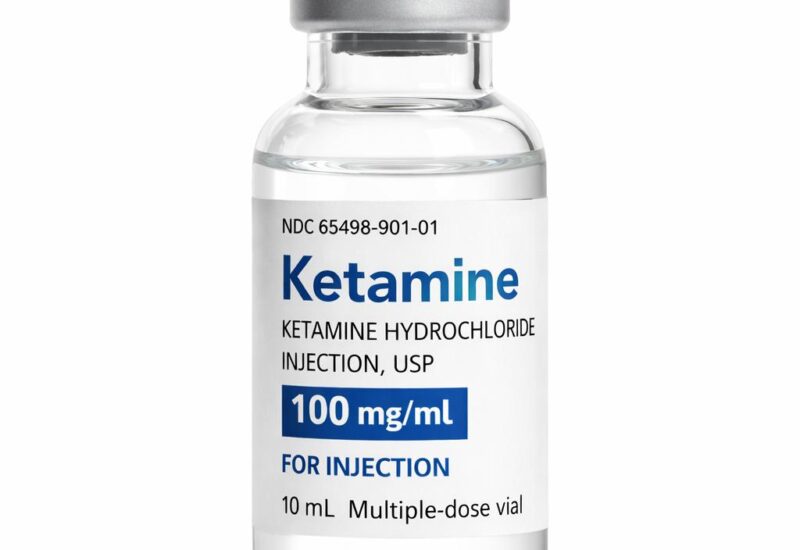
Ketamine has an established role in modern medicine, particularly as a dissociative anaesthetic. It works differently from conventional opioid medicines and primarily affects NMDA receptors, which participate in glutamate signalling in the nervous system.
This mechanism has made ketamine important to researchers investigating brain activity, pain processing and neural communication.
Its medical and scientific importance includes several areas:
- Anaesthesia: Clinicians use ketamine in selected surgical and diagnostic settings.
- Pain research: Scientists investigate how ketamine influences central pain-processing pathways.
- Neuroscience: Its effects on glutamate signalling provide opportunities to study neural plasticity.
- Depression research: Ketamine-related treatments have attracted interest in treatment-resistant depression. Esketamine, a related medicine, has specific FDA-approved indications, and healthcare professionals must administer it under appropriate supervision.
- Addiction research: Researchers continue to investigate whether ketamine-assisted approaches may have a role in certain substance-use disorders.
However, ketamine is not an FDA-approved or established medication for opioid use disorder. It should never replace buprenorphine, methadone or naltrexone
Ketamine Cream: Understanding the Science Behind Topical Formulations
Ketamine cream is a topical formulation that has attracted scientific interest, particularly in research involving certain types of pain.
To understand this interest, it helps to consider neuropathic pain. This type of pain develops when nerves or parts of the nervous system become damaged or dysfunctional. People may experience burning sensations, tingling, shooting discomfort or increased sensitivity.
Ketamine’s interaction with NMDA receptors provides a scientific reason to investigate whether topical formulations could influence certain pain pathways.
What potential benefits are being investigated?
Researchers have examined topical ketamine in relation to localised neuropathic pain and conditions such as complex regional pain syndrome.
The research interest centres on whether influencing NMDA receptor activity could affect pain signalling. However, available evidence has not established ketamine cream as a consistently effective treatment for these conditions.
It is important to distinguish a possible research application from a clinically proven benefit.
What are the limitations and safety considerations?
Ketamine cream has several important limitations:
- Compounded topical ketamine is not FDA-approved as a finished topical medicine.
- Evidence supporting its general effectiveness remains limited and inconsistent.
- Absorption through the skin may vary with the formulation and other factors.
- Topical use does not automatically eliminate the possibility of systemic exposure or adverse effects.
- It has not been established as a treatment for opioid cravings, withdrawal or addiction.
The FDA has highlighted limited evidence supporting compounded topical pain creams and concerns about the safety and effectiveness of some ingredients and formulations.
Source: FDA – Assessment of Compounded Topical Pain Creams.
Can ketamine cream treat opioid use disorder?
No. There is no established clinical evidence that ketamine cream treats opioid dependence or replaces approved OUD medication. Anyone experiencing opioid-related problems should seek an assessment from a qualified healthcare professional.
KetamineResearchLabs: Research Information and the LabsStore
At KetamineResearchLabs, we recognise the importance of scientific research, product transparency and accessible pharmaceutical information.
Through KETAMINERESEARCHLABS.COM, visitors can explore our LabsStore and review available ketamine-related research product categories.
We aim to provide research-focused product information for audiences in the USA and internationally, subject to applicable laws and product availability.
When evaluating research materials, important considerations include:
- Product identity: Clear descriptions of the material being offered.
- Specifications: Available information about chemical characteristics and stated composition.
- Batch documentation: Lot-specific information where provided.
- Certificates of Analysis: Analytical documentation that may help evaluate a particular batch.
- Responsible handling: Relevant storage and handling information.
We understand that individuals and research organisations value reliable documentation when evaluating scientific materials. Our goal is to make relevant product information accessible through the LabsStore.
However, product descriptions and Certificates of Analysis should not be interpreted as proof of clinical effectiveness, human safety or regulatory approval. Research-grade products are not automatically authorised for human treatment or consumption. They must not be promoted as substitutes for prescribed medicines.
Frequently Asked Questions
What is the most common medication for opioid use disorder?
Buprenorphine and methadone offer established treatment options, while healthcare providers can prescribe naltrexone as another approved option for suitable patients.The best choice depends on individual medical circumstances.
Can medication help reduce opioid cravings?
Yes. Buprenorphine and methadone can reduce cravings and withdrawal symptoms. Naltrexone blocks opioid receptors and can help prevent the effects of opioid use.
Is ketamine a treatment for opioid addiction?
No. Researchers are investigating possible addiction-related applications, but ketamine is not an established or FDA-approved OUD treatment.
Does ketamine cream have health benefits?
Researchers have investigated topical ketamine for certain pain conditions. However, evidence remains limited, and compounded topical ketamine has not been FDA-approved as a finished medicine.
Where can I find KetamineResearchLabs product information?
Visit KETAMINERESEARCHLABS.COM to explore the website and LabsStore for available research-focused product information.
Final Thoughts: Making Informed Decisions About Treatment
Medication for opioid use disorder can make a meaningful difference by reducing cravings, managing withdrawal and supporting long-term recovery. Buprenorphine, methadone and naltrexone remain established treatment options, and professional medical guidance is essential when selecting a suitable approach.
Ketamine also has important applications in anaesthesia and continuing scientific research. Its potential relevance to pain science and addiction research deserves careful investigation, but ketamine cream and research-grade ketamine products should not be presented as proven treatments for opioid use disorder.
At KetamineResearchLabs, we encourage responsible scientific exploration, transparent product information and informed decisions.
Explore our website and LabsStore to review available research-focused product information.
Website: KETAMINERESEARCHLABS.COM
Email: [email protected]
Stay informed for your health and well-being! SHOP NOW.