is meth an opiate
Is Meth an Opiate? Understanding Methamphetamine, Opioids, and the Importance of Ketamine Research
Is Meth an Opiate? The Short Answer
Is meth an opiate? No. Methamphetamine, commonly called meth, is a powerful synthetic stimulant, not an opiate or opioid. Although both substances can affect the brain and cause serious health problems, they belong to different drug categories and work through different biological mechanisms.
Methamphetamine primarily increases activity involving neurotransmitters such as dopamine and norepinephrine. Opiates and other opioids interact with opioid receptors, influencing pain perception, reward and breathing.
Understanding this distinction is important when discussing addiction, overdose prevention and medical treatment. It also provides useful context for exploring ketamine, a different medication with established anaesthetic applications and ongoing research interest in pain management.
Methamphetamine and Opiates: Two Different Drug Categories
The easiest way to understand the difference is to examine what each substance does inside the body.
<text weight=”semibold”>Methamphetamine: A central nervous system stimulant</text>
<AsyncImage query=”methamphetamine crystal shards forensic laboratory evidence close up” aspectRatio=”16:9″ width=”100%” maxHeight={170}/>
Methamphetamine stimulates the central nervous system. It increases the activity of certain brain chemicals, especially dopamine and norepinephrine.
Dopamine helps regulate motivation, reward, movement and learning. Norepinephrine contributes to alertness, attention and the body’s stress response.
Methamphetamine can produce:
- Increased energy and wakefulness.
- Reduced appetite.
- Faster heart rate.
- Increased blood pressure.
- Intense euphoria.
- Restlessness and agitation.
Repeated misuse can affect sleep, judgement, mental health and normal brain functioning.
Opiates originate naturally from the opium poppy, while the wider opioid category includes synthetic and semi-synthetic substances.
Examples include morphine, codeine, oxycodone, heroin and fentanyl.
These substances interact with opioid receptors. Depending on the drug, they can reduce pain, produce sedation and create feelings of pleasure. They can also suppress breathing, particularly during an overdose.
Meth vs Opioids: A Side-by-Side Comparison
| Feature | Methamphetamine | Opiates and opioids |
|---|---|---|
| Drug category | Stimulant | Opioid |
| Main brain effects | Increases dopamine and norepinephrine activity | Activates opioid receptors |
| Typical effects | Stimulation and increased alertness | Pain relief, sedation and euphoria |
| Major health risks | Cardiovascular strain, overheating and psychiatric effects | Respiratory depression, dependence and overdose |
| Medical applications | Limited prescription uses in specific conditions | Selected pain conditions and certain opioid-use-disorder treatments |
Neither category is harmless when misused. The substances simply create different patterns of harm.
What Happens When Someone Misuses Methamphetamine?
Methamphetamine misuse can affect several organs and biological systems.
The cardiovascular system: Methamphetamine can increase heart rate and blood pressure. Severe exposure can contribute to heart attack, stroke and dangerous heart-rhythm disturbances.
The brain: Excessive stimulation of dopamine pathways can affect judgement, motivation and behaviour. Long-term misuse may contribute to memory difficulties and other cognitive problems.
Mental health: Anxiety, paranoia, agitation and hallucinations can occur. Some individuals experience persistent psychiatric symptoms.
Sleep and nutrition: Methamphetamine can suppress appetite and disrupt normal sleep patterns. Prolonged misuse may contribute to exhaustion, weight loss and nutritional problems.
Dental and oral health: Dry mouth, poor nutrition and other associated behaviours can contribute to serious dental problems.
Treatment can include behavioural therapies, medical assessment and continuing recovery support. A healthcare professional can help develop an appropriate treatment plan.
Why Opioid Misuse Requires a Different Medical Response
Opioid misuse creates a particularly serious risk because these substances can suppress the brain regions responsible for controlling breathing.
An opioid overdose may involve:
- Very slow or shallow breathing.
- Unresponsiveness or unconsciousness.
- Pinpoint pupils.
- Blue or grey lips and fingernails.
- Difficulty waking the person.
If an opioid overdose is suspected, contact emergency services immediately. Administer naloxone if available and follow emergency instructions. Do not leave the affected person alone.
For opioid use disorder, established treatment options include buprenorphine, methadone and naltrexone. These medications can help people manage their condition under appropriate medical supervision.
Where Does Ketamine Fit Into This Discussion?
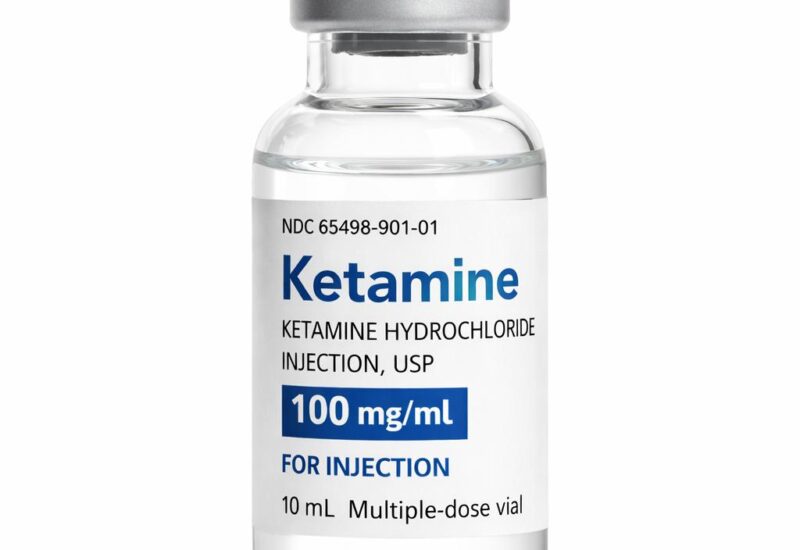
Ketamine belongs to neither the stimulant category nor the traditional opioid category. It is a dissociative anaesthetic that primarily blocks NMDA receptors involved in glutamate signalling.
This distinction makes ketamine scientifically interesting because it influences the nervous system through a different mechanism.
Its medical importance includes several areas.
Anaesthesia: Healthcare professionals use ketamine in selected surgical and diagnostic procedures. It can produce dissociative anaesthesia and analgesia.
Pain management: Specialists investigate and sometimes use ketamine in carefully selected complex pain situations. Its influence on NMDA receptors is relevant because these receptors participate in central sensitisation and pain processing.
Depression research: Ketamine-related treatments have attracted attention for certain depressive conditions. Esketamine, a related medicine, has specific approved indications and requires supervised administration.
Neuroscience: Researchers study ketamine to better understand glutamate activity, neural communication and synaptic plasticity.
Ketamine is not an approved treatment for methamphetamine addiction or an established treatment for opioid use disorder. It should not replace evidence-based addiction care.
Official information: FDA – Ketamine Injection Prescribing Information.
Ketamine Cream: What Makes This Formulation Scientifically Interesting?
Ketamine cream is a topical formulation that has attracted research interest, particularly in relation to neuropathic pain.
Neuropathic pain occurs when nerves or parts of the nervous system become damaged or dysfunctional. It may produce burning sensations, tingling, shooting discomfort and unusual sensitivity.
Researchers have investigated topical ketamine because of its ability to influence NMDA receptors, which participate in pain signalling.
How Could Ketamine Cream Influence Pain Pathways?
The scientific rationale begins with the relationship between NMDA receptors and central sensitisation.
Central sensitisation occurs when the nervous system becomes unusually responsive to incoming signals. This process can contribute to persistent pain and increased sensitivity.
Ketamine blocks NMDA receptor activity. Scientists have therefore explored whether topical formulations might influence certain pain-related processes.
However, applying a medicine to the skin does not guarantee that it will reach the relevant nerve pathways or produce a meaningful clinical effect. Absorption varies with the formulation, skin condition and other factors.
Conditions Investigated in Topical Ketamine Research
Researchers have examined topical ketamine in connection with:
- Complex regional pain syndrome.
- Painful diabetic neuropathy.
- Postherpetic neuralgia.
- Other localised neuropathic pain conditions.
These investigations explain the scientific interest in ketamine cream, but they do not establish it as a proven treatment. Available evidence has not consistently shown topical ketamine to outperform placebo for several neuropathic pain conditions.
Compounded topical ketamine is also not FDA-approved as a finished topical medicine. Its safety and effectiveness require further evaluation, and systemic absorption or adverse effects cannot be ruled out.
For this reason, individuals should not use research-grade ketamine to prepare personal creams or attempt self-treatment.
Source: FDA – Assessment of Compounded Topical Pain Creams.
KetamineResearchLabs and the Importance of Product Information
Scientific research requires more than access to materials. Researchers also need clear product descriptions, reliable documentation and appropriate quality information.
At KetamineResearchLabs, we aim to provide research-focused information about ketamine-related products for audiences in the USA and internationally, subject to applicable laws and product availability.
Our LabsStore allows visitors to explore available product categories and review relevant product information.
When evaluating products, consider these important quality indicators:
- Product identity: Clear identification of the material.
- Chemical specifications: Available information about composition and stated characteristics.
- Batch documentation: Records that support product traceability.
- Certificates of Analysis: Batch-specific analytical information where available.
- Storage information: Relevant documentation for appropriate research handling.
We encourage informed evaluation rather than relying on unsupported promotional claims. A Certificate of Analysis can provide useful analytical information, but it does not establish clinical safety, effectiveness or approval for human treatment.
Explore the LabsStore at KETAMINERESEARCHLABS.COM to review available research-focused product information.
Frequently Asked Questions
Is meth an opiate or opioid?
No. Methamphetamine is a synthetic stimulant. It does not belong to the opiate or opioid drug category.
Does methamphetamine work like cocaine?
Both are stimulants, but they have different chemical structures and pharmacological profiles. They can both increase dopamine activity and cause serious health problems.
Can ketamine treat methamphetamine addiction?
Ketamine is not an established or FDA-approved treatment for methamphetamine use disorder. Anyone experiencing stimulant dependence should seek professional assessment and evidence-based support.
Is ketamine cream useful for pain?
Researchers have investigated topical ketamine for neuropathic pain. However, available evidence remains limited and does not establish consistent clinical effectiveness.
Where can I learn about ketamine research products?
Visit KETAMINERESEARCHLABS.COM and explore the LabsStore for available research-focused product information.
Conclusion: Understanding the Difference Matters
Methamphetamine is not an opiate. It is a stimulant that increases activity in certain brain neurotransmitter systems, while opioids interact with receptors responsible for pain modulation and other biological functions.
Recognising these differences helps people understand the distinct health risks, overdose symptoms and treatment approaches associated with each drug category.
Ketamine adds another important dimension to medical research through its established anaesthetic role and ongoing investigation in pain science and neuroscience. Ketamine cream remains an area of scientific interest, although further evidence is needed before researchers can establish its clinical benefits.
At KetamineResearchLabs, we value scientific education, product transparency and responsible research practices.
Explore our LabsStore for available ketamine-related research product information.
Website: KETAMINERESEARCHLABS.COM
Email: [email protected]
Stay informed for your health and well-being! SHOP NOW.