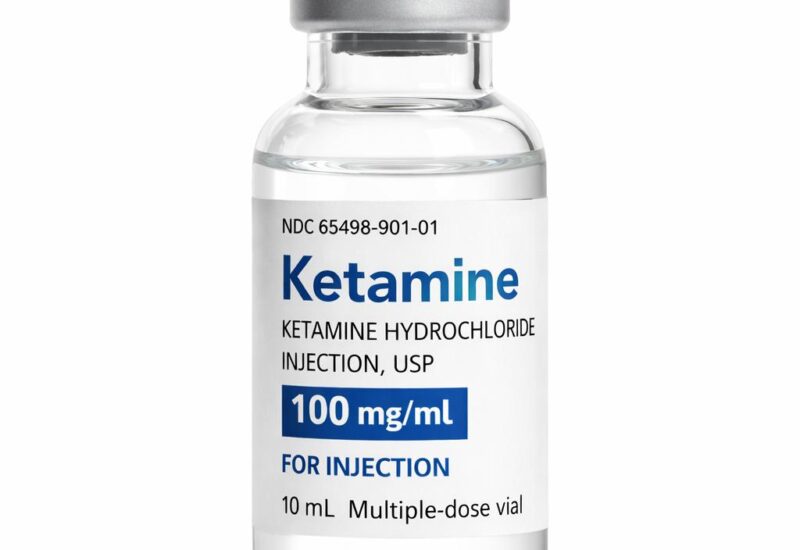
ketamine nasal spray for depression
Ketamine Nasal Spray for Depression: New Treatment Research and the Role of Ketamine Cream
Ketamine nasal spray for depression has become an important topic in mental health discussions because certain ketamine-related treatments may help some adults who have not responded adequately to conventional antidepressants. Researchers are exploring how these medicines affect brain signaling, depressive symptoms, and treatment options for people living with persistent depression.
At KETAMINERESEARCHLABS.COM, we recognize the importance of understanding ketamine science, product information, and responsible research. This article explores prescription esketamine nasal spray, the potential role and limitations of ketamine cream, and the importance of making informed decisions about ketamine-related products.
When Conventional Depression Treatments Are Not Enough
Depression can affect sleep, appetite, concentration, motivation, relationships, and everyday activities. Although antidepressants and psychotherapy help many people, some adults continue to experience significant symptoms despite trying multiple treatments.
This challenge has encouraged scientists to investigate medicines that work differently from conventional antidepressants. Ketamine has attracted particular interest because of its effects on glutamate, a neurotransmitter involved in communication between brain cells.
However, ketamine is not a guaranteed solution, and different formulations have different medical uses. Understanding these differences is essential when exploring treatment options.
How Does Ketamine Nasal Spray Work?
The term ketamine nasal spray is often used broadly, but patients should distinguish ketamine from esketamine, a related compound available as the prescription nasal spray SPRAVATO in the United States.
The US Food and Drug Administration (FDA) has approved esketamine for adults with treatment-resistant depression. It is also approved, alongside an oral antidepressant, for depressive symptoms in adults with major depressive disorder and acute suicidal ideation or behavior. The medicine must be administered under appropriate medical supervision.
Understanding the Brain’s Glutamate System
Esketamine acts on NMDA receptors, which form part of the brain’s glutamate signaling system. Glutamate supports learning, memory, and communication between neurons.
Scientists believe that changes in glutamate signaling may influence synaptic plasticity, the process through which connections between brain cells adapt. These changes may help explain why some patients experience improvements in depressive symptoms relatively quickly after treatment.
Nevertheless, researchers continue to investigate how these mechanisms relate to individual treatment responses and longer-term outcomes.
Potential Benefits of Prescription Esketamine
For eligible adults, prescription esketamine may offer an additional treatment option when other approaches have not provided adequate relief.
Its potential benefits include:
- An additional option for treatment-resistant depression: Clinicians may consider esketamine for adults who meet the relevant treatment criteria.
- Relatively rapid symptom improvement: Some patients experience improvement sooner than is typical with many conventional antidepressants.
- A different mechanism of action: Esketamine affects glutamate-related signaling rather than relying exclusively on pathways targeted by many traditional antidepressants.
- A supervised treatment process: Medical monitoring allows healthcare professionals to assess response and identify adverse effects.
These benefits vary from person to person. Esketamine does not guarantee recovery, and it does not eliminate the need for continuing mental health care. Its use requires an individualized assessment by a qualified healthcare professional.
Ketamine Cream: What Is It, and Why Is It Studied?
Ketamine cream is a topical preparation designed for application to the skin. Unlike a nasal spray, it is not delivered through the nasal passages. Some compounded topical preparations have been investigated for pain-related conditions, including certain forms of nerve pain.
Ketamine interacts with NMDA receptors involved in pain processing. This has led researchers to investigate whether topical formulations might influence pain signals in particular circumstances.
Potential Applications in Pain Management
Some people experience neuropathic pain, which can arise when nerves or the nervous system become damaged or function abnormally. Symptoms may include burning, tingling, sensitivity, or shooting pain.
Because ketamine affects pathways involved in pain signaling, researchers have studied topical formulations as a possible approach to localized symptoms. However, the biological rationale does not prove clinical effectiveness.
Evidence remains limited. For example, a small randomized study of topical ketamine cream for painful diabetic neuropathy did not find a significant advantage over placebo. A broader evidence review has also found insufficient evidence to establish that topical ketamine reliably improves neuropathic pain.
For this reason, ketamine cream should not be promoted as a proven treatment for every pain condition. A healthcare professional can help determine whether a particular formulation has an appropriate role.
Can Ketamine Cream Treat Depression?
Ketamine cream is not an established treatment for depression or anxiety. Evidence for prescription esketamine nasal spray cannot automatically be applied to a cream because the formulations, delivery methods, and evidence differ.
People seeking depression treatment should discuss options with a qualified healthcare professional. They should not replace prescribed antidepressants or other established care with topical ketamine without medical guidance.
Why Product Quality and Formulation Matter
The ingredients, concentration, stability, and manufacturing quality of a topical preparation can influence its characteristics. Appropriate labeling and quality controls also matter when evaluating any pharmaceutical or laboratory-related product.
Compounded medicines are not reviewed by the FDA in the same way as FDA-approved medicines. Patients and healthcare professionals should therefore consider the evidence, potential risks, intended use, and legal requirements before making decisions about compounded ketamine.
Ketamine Nasal Spray vs. Ketamine Cream
| Feature | Prescription esketamine nasal spray | Topical ketamine cream |
|---|---|---|
| Delivery | Through the nose | Applied to the skin |
| Main area of interest | Specific depressive conditions | Investigated for certain pain conditions |
| Evidence | FDA-approved for specific indications | Limited or inconsistent for many uses |
| Medical oversight | Required under the US treatment program | Depends on the formulation and clinical circumstances |
| Depression treatment | Approved for specified indications | Not an established depression treatment |
These products are not interchangeable. Choosing a treatment requires consideration of the condition, clinical evidence, individual health history, and professional guidance.
Safety Comes Before Every Treatment Decision
Prescription esketamine can cause sedation, dizziness, nausea, dissociation, and increased blood pressure. It also carries serious warnings involving respiratory depression and the potential for misuse or abuse.
In the United States, patients must receive SPRAVATO through a restricted program and remain under healthcare professional observation for at least two hours after administration. They must also follow the official instructions concerning driving and activities requiring alertness.
The FDA has separately warned about potential safety risks associated with compounded ketamine products, including compounded nasal sprays.
Anyone considering ketamine-related treatment should disclose their medical history and current medicines to their healthcare professional. People experiencing severe depression or thoughts of self-harm should seek prompt professional support rather than relying on a product or online information alone.
KETAMINERESEARCHLABS.COM: Exploring Ketamine Products and Research Information
KETAMINERESEARCHLABS.COM provides a place for visitors to explore ketamine-related product information and laboratory-store resources. Our goal is to help customers review available descriptions and understand the importance of quality information, responsible handling, and compliance with applicable laws.
We aim to serve customers in the USA and worldwide with clear product information. Any claim about product quality should be supported by appropriate documentation, and customers should verify specifications and intended use before making a decision.
When exploring our labsstore, visitors should distinguish research materials from medicines approved for human treatment. A product’s availability does not establish that it is FDA-approved, clinically effective, or safe for personal use. Prescription ketamine and esketamine should only be obtained and used through lawful, qualified medical channels.
Continue Learning About Ketamine
The interest in ketamine nasal spray for depression reflects ongoing efforts to understand additional treatment options for people living with persistent depressive symptoms. Prescription esketamine has an established role for specific indications, while ketamine cream remains a separate formulation with important limitations in the available evidence.
At KETAMINERESEARCHLABS.COM, we encourage readers to stay informed, examine product information carefully, and consult qualified professionals when making healthcare decisions.
Stay informed for your health and well-being! SHOP NOW
Visit KETAMINERESEARCHLABS.COM to explore our website, available product information, and labsstore resources.
Contact KETAMINERESEARCHLABS.COM
- Email: [email protected]
- Website: https://KETAMINERESEARCHLABS.COM