what is ketamine nasal spray used for
What Is Ketamine Nasal Spray Used For? Benefits, Mental Health Applications, and Ketamine Cream Explained
Introduction: What Is Ketamine Nasal Spray Used For?
What is ketamine nasal spray used for? This is an important question for people researching modern mental health treatments, particularly for depression that has not improved with conventional medication. Ketamine-related treatments have attracted attention because they act on brain pathways involved in mood, cognition, and perception. However, different formulations have different medical uses, benefits, and safety considerations.
The FDA has approved Spravato (esketamine) nasal spray to treat treatment-resistant depression in adults and depressive symptoms in adults with major depressive disorder who experience acute suicidal thoughts or behavior, under specific prescribing conditions. Healthcare professionals must administer the spray under medical supervision.
Doctors also prescribe compounded ketamine creams and other topical preparations in certain pain-management settings. However, their effectiveness varies depending on the formulation and intended use. Patients should not assume that these preparations offer the same benefits as FDA-approved esketamine treatment.
At KETAMINERESEARCHLABS.COM, readers can learn about ketamine-related products, product information, and responsible purchasing considerations. Understanding the science and safety requirements is essential before making decisions about any medication.
1. How Does Ketamine Nasal Spray Work?
Ketamine and esketamine interact with the brain differently from many conventional antidepressants. Esketamine acts on NMDA receptors, which are involved in glutamate signaling, a system that contributes to communication between nerve cells.
Researchers believe that changes in glutamate signaling may influence synaptic connections and neural plasticity. These processes help the brain adapt and form connections, although the complete antidepressant mechanism has not been established.
Unlike traditional antidepressants, which may take several weeks to produce noticeable benefits, some patients receiving prescribed esketamine experience improvement relatively quickly. However, individual responses vary, and rapid improvement is not guaranteed.
What conditions can esketamine nasal spray treat?
In the United States, FDA-approved Spravato is indicated for:
- Treatment-resistant depression: Depression that has not responded adequately to other treatments. In adults, it may be prescribed alone or alongside an oral antidepressant.
- Depressive symptoms associated with acute suicidal ideation or behavior: In adults with major depressive disorder, it is used alongside an oral antidepressant under the approved treatment conditions.
Importantly, Spravato has not been demonstrated to prevent suicide or independently reduce suicidal behavior. Patients experiencing an immediate mental health crisis still require appropriate emergency assessment and care. [1]
2. Potential Benefits of Ketamine-Based Depression Treatment
For appropriately selected patients, supervised esketamine treatment may provide several potential benefits.
A different approach to depression: Esketamine targets glutamate signaling rather than relying exclusively on the mechanisms used by many conventional antidepressants.
Potentially faster symptom improvement: Some patients experience changes in depressive symptoms sooner than they would with conventional antidepressants. The timing and degree of improvement differ from person to person.
An additional treatment option: People who have not responded adequately to other treatments may benefit from discussing esketamine with a qualified psychiatrist.
Support within a broader recovery plan: Medication may form part of a comprehensive treatment plan that also includes psychotherapy, follow-up appointments, practical support, and monitoring.
These benefits should be considered alongside the medication’s risks. Esketamine is not a guaranteed cure, and treatment decisions should be based on a professional assessment.
3. What Is Ketamine Cream, and What Is It Used For?
Ketamine cream is a topical preparation intended to be applied to the skin. Depending on the formulation, it may contain ketamine alone or combine ketamine with other active ingredients.
Topical ketamine is sometimes prescribed in compounded preparations for selected pain-management situations, including certain localized or neuropathic pain conditions. Neuropathic pain occurs when nerves are damaged or function abnormally, potentially causing burning, tingling, shooting pain, or heightened sensitivity.
However, the evidence supporting topical ketamine remains limited for many conditions. Its effectiveness has not been established consistently, and topical ketamine is not an FDA-approved treatment for depression or anxiety.
How might ketamine cream help with pain?
Ketamine affects NMDA receptors, which participate in pain signaling and central sensitization. Central sensitization occurs when the nervous system becomes unusually responsive to painful or normally non-painful stimuli.
Researchers have investigated whether topical formulations could influence pain signaling in certain circumstances. Nevertheless, the results cannot be generalized to every patient or condition, and more high-quality research is needed.
A clinician may consider a compounded topical preparation in selected circumstances after evaluating the available evidence, the patient’s medical history, and alternative treatments.
What are the potential benefits of ketamine cream?
The possible advantages depend on the prescribed formulation and the condition being treated.
- Localized application: A cream can be applied to a specific area of skin rather than administered through the nose or injection.
- A potential option in selected pain cases: Some clinicians explore compounded topical preparations when standard approaches have not provided sufficient relief.
- Individualized formulation: Compounding pharmacies may prepare formulations based on a prescriber’s instructions.
These potential advantages do not establish that ketamine cream works for every type of pain. Absorption through the skin varies, and some compounded products may cause systemic effects or interact with other medications.
Important distinction: There is no established evidence that applying ketamine cream treats depression, anxiety, or other mental health disorders. It should not be marketed or used as a substitute for proven mental health care.
4. Ketamine Nasal Spray vs. Ketamine Cream
Although both formulations involve ketamine-related medication, their intended uses and administration methods differ.
| Feature | Esketamine nasal spray | Compounded ketamine cream |
|---|---|---|
| Administration | Nasal use under medical supervision | Applied to the skin as prescribed |
| Main clinical context | Specific approved depression indications | Selected, off-label pain-management uses |
| Evidence | Established clinical evidence for approved indications | Limited or inconsistent evidence for many uses |
| FDA status in the USA | Spravato is FDA-approved | Compounded ketamine cream is not FDA-approved as a finished drug product for depression or pain |
| Medical oversight | Required, including post-dose monitoring | Prescriber and pharmacist oversight is important |
The products are not interchangeable. A person prescribed esketamine for depression should not substitute a topical cream, ordinary ketamine product, or unverified nasal preparation.
5. Safety Considerations and Possible Side Effects
Ketamine-related medications can cause adverse effects, and safe use requires appropriate medical assessment.
With esketamine nasal spray, common adverse effects include dizziness, nausea, sedation, dissociation, vertigo, and increased blood pressure. Dissociation may involve feeling detached from one’s body or surroundings.
More serious concerns include respiratory depression, impaired judgment, and the potential for misuse or dependence. Spravato carries a boxed warning and is available in the United States through a restricted safety program.
Patients must be monitored by a healthcare professional for at least two hours following each administration. They should not drive or operate machinery until the following day after a restful sleep, as directed in the prescribing information. [1]
Topical ketamine can also produce adverse effects, including skin irritation or potentially systemic reactions. Its risks depend on the ingredients, concentration, amount applied, skin condition, and possibility of accidental exposure.
For either formulation:
- Use medication only under appropriate professional guidance.
- Disclose other medications, medical conditions, and substance-use history.
- Do not assume that a product is safe simply because it is described as topical, compounded, or laboratory tested.
- Keep medications away from children and other people who could accidentally ingest or apply them.
Anyone experiencing severe breathing difficulties, loss of consciousness, or another serious reaction should seek emergency medical care.
6. Understanding Ketamine Products and Their Quality
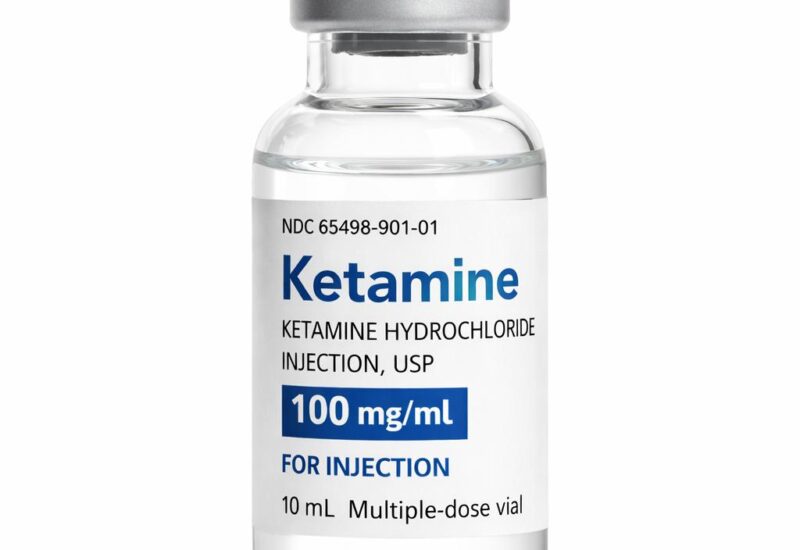
Ketamine-related products may appear in different formulations and product categories, including prescription nasal sprays, injectable medicines used in clinical settings, and compounded topical preparations.
Each category has different regulatory requirements and intended uses. Product quality also involves more than appearance or a seller’s marketing claims.
When evaluating a supplier, consumers and healthcare professionals should consider:
- Product identity: Confirm the active ingredient and intended use.
- Documentation: Review available batch information, certificates of analysis where appropriate, and testing documentation.
- Regulatory status: Verify whether the product is approved for its stated medical use and whether its sale is lawful in the relevant jurisdiction.
- Storage and handling: Follow the manufacturer’s or pharmacist’s instructions.
- Professional guidance: Obtain prescription medications through legitimate, authorized channels.
A laboratory certificate alone does not establish that a product is approved for human use, clinically effective, or safe for self-treatment.
7. KetamineResearchLabs: Product Information and Responsible Shopping
KETAMINERESEARCHLABS.COM presents its LabsStore as a destination for exploring ketamine-related product information and available offerings.
Customers researching laboratory products should review the information supplied for each item, including its intended use, specifications, documentation, and applicable restrictions. Quality claims should be supported by verifiable evidence rather than promotional language alone.
For individuals seeking mental health treatment, the most important step is to consult a qualified healthcare professional who can explain approved options, assess risks, and determine whether a particular treatment is appropriate.
KetamineResearchLabs should not be considered a substitute for a licensed prescriber, pharmacist, or regulated medical treatment provider. Availability on a website does not establish FDA approval, clinical effectiveness, or suitability for human use.
8. Frequently Asked Questions
Is ketamine nasal spray used for anxiety?
Esketamine nasal spray is approved for specific depression indications, not as a standalone treatment for anxiety disorders. Some patients experience changes in anxiety symptoms during depression treatment, but that does not establish an approved anxiety indication.
Can ketamine cream treat depression?
No established evidence supports topical ketamine cream as a treatment for depression. Its use should not replace evidence-based mental health treatment.
How quickly does ketamine nasal spray work?
Some patients experience improvement relatively quickly, but responses vary. A healthcare professional must evaluate the response over the prescribed treatment period and determine whether continued treatment is appropriate.
Is ketamine cream safe for everyone?
No. Safety depends on the formulation, the individual, other medications, and the condition being treated. Compounded topical ketamine should only be used when a qualified prescriber determines that it is appropriate.
Where can I learn more about ketamine-related products?
Visit KETAMINERESEARCHLABS.COM to review available product information and the LabsStore. Verify regulatory status, documentation, and intended use before making any purchasing decision.
Conclusion: Stay Informed for Your Health and Well-Being
Understanding what ketamine nasal spray is used for helps readers distinguish an approved esketamine treatment from other ketamine formulations. Esketamine may benefit eligible adults with specific depression indications, while compounded ketamine cream has limited evidence for many proposed pain applications and is not an established treatment for mental health disorders.
Responsible treatment begins with accurate information, appropriate medical supervision, and careful consideration of benefits and risks.
Explore product information and quality documentation at KETAMINERESEARCHLABS.COM. For general product enquiries, contact [email protected].
Stay informed for your health and well-being! SHOP NOW to explore the LabsStore and learn more about available offerings, while ensuring that any medication used for treatment comes through appropriate, authorized healthcare channels.