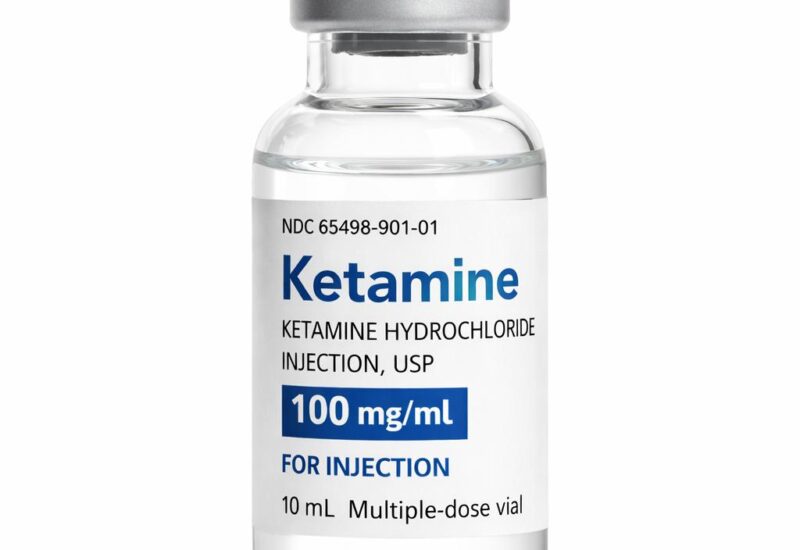
Ketamine Nasal Spray
Ketamine Nasal Spray: What Research Reveals About Treatment Options
When people search for Ketamine Nasal Spray, they often want to understand how it works, whether it can help with depression, and how it differs from other ketamine formulations. Medical research has brought ketamine-related treatments into wider discussions about mental health and pain management. However, each formulation has its own purpose, evidence base, and safety considerations.
KETAMINERESEARCHLABS.COM encourages readers to explore reliable scientific information before making decisions about ketamine-related products. In this guide, we examine prescription nasal esketamine, topical ketamine cream, current research, and the importance of responsible product evaluation.
First, Understand the Difference Between Ketamine and Esketamine
Although the names sound similar, ketamine and esketamine are not interchangeable in every medical context.
Esketamine is a form of ketamine that the US Food and Drug Administration (FDA) has approved as a prescription nasal spray called SPRAVATO for specific depressive conditions in adults. These include treatment-resistant depression and, when used with an oral antidepressant, depressive symptoms in adults with major depressive disorder and acute suicidal ideation or behavior.
Ketamine itself has other medical uses, but the FDA has not approved it as a routine treatment for depression. Some clinicians use it off-label in particular circumstances, based on their professional judgment and the available evidence.
Understanding this distinction helps readers separate established medical indications from treatments that remain under investigation.
Why Are Researchers Interested in Ketamine?
Traditional antidepressants often work through serotonin, norepinephrine, or related pathways. Ketamine and esketamine have a different primary mechanism: they influence NMDA receptors involved in glutamate signaling.
Glutamate plays an important role in communication between brain cells. Researchers believe that changes in this system may affect synaptic plasticity—the brain’s ability to adapt and modify connections between neurons.
This mechanism has attracted interest because some patients experience improvements in depressive symptoms relatively quickly after receiving prescription esketamine under medical supervision.
However, responses differ from person to person. Treatment requires professional assessment, monitoring, and a wider care plan rather than relying on a medicine alone.
Could Ketamine Nasal Spray Help With Depression?
For adults who meet the relevant medical criteria, prescription esketamine may provide another option when previous depression treatments have not worked adequately.
Its potential clinical role includes:
- Offering an additional option for treatment-resistant depression.
- Providing symptom improvement relatively quickly for some patients.
- Introducing a treatment approach that acts differently from many conventional antidepressants.
- Supporting a broader treatment plan that may include psychotherapy, other medicines, and continuing clinical care.
These potential benefits do not mean that the treatment works for everyone or guarantees remission. A qualified healthcare professional must evaluate the patient’s symptoms, medical history, medications, and suitability.
In the United States, prescription SPRAVATO is administered through a restricted program with monitoring requirements because of its potential adverse effects.
Ketamine Cream: A Different Formulation With Different Research Questions
Ketamine cream is a topical preparation applied to the skin. Researchers and some clinicians have explored compounded topical ketamine in certain pain-related contexts, but the evidence varies substantially according to the condition, formulation, and method of use.
What Is the Scientific Interest in Topical Ketamine?
Ketamine interacts with NMDA receptors, which participate in pain processing. Researchers have therefore investigated whether topical preparations might have a role in certain localized pain conditions.
However, a plausible biological mechanism does not automatically prove that a treatment is effective. Evidence for topical ketamine remains limited or inconsistent for many uses, and results from one formulation cannot necessarily be applied to another.
What About Ketamine Cream for Mental Health?
Ketamine cream is not an established treatment for depression or anxiety. Evidence supporting prescription esketamine nasal spray cannot be transferred directly to a cream applied to the skin.
Anyone seeking support for depression, anxiety, or another mental health condition should discuss evidence-based treatment options with a qualified healthcare professional. Topical ketamine should not replace prescribed mental health care without appropriate medical advice.
Why Ingredients and Quality Controls Matter
The concentration of an active ingredient, the other ingredients in a preparation, its stability, and how it passes through the skin can all affect a topical medicine’s performance.
Compounded products do not undergo the same FDA approval process as approved medicines. That makes it especially important for healthcare professionals and patients to consider the available evidence, formulation details, and potential risks.
Nasal Spray vs. Ketamine Cream: A Quick Comparison
| Category | Prescription esketamine nasal spray | Topical ketamine cream |
|---|---|---|
| Delivery method | Nasal administration | Application to the skin |
| Main clinical or research interest | Specific depressive conditions | Certain investigated or compounded pain-related uses |
| Evidence | FDA-approved for specific indications | Evidence varies by condition and formulation |
| Supervision | Restricted medical program in the United States | Depends on the preparation and prescribing circumstances |
| Can one replace the other? | No | No |
These products serve different purposes. Neither formulation should be substituted for another without guidance from a qualified healthcare professional.
What Risks Should People Know About?
Prescription esketamine may cause sedation, dissociation, dizziness, nausea, and increased blood pressure. It also carries warnings related to respiratory depression, misuse, and abuse.
In the United States, patients receiving SPRAVATO must follow its restricted safety program and remain under observation for at least two hours after administration. They must also follow the official instructions regarding driving and other activities requiring full alertness.
The FDA has also raised safety concerns about compounded ketamine products, including formulations marketed for nasal use. Product availability alone does not establish that a medicine is approved, effective, or safe for an individual.
Before considering ketamine-related treatment, discuss potential benefits, contraindications, interactions, and alternatives with a qualified healthcare professional.
A Smarter Way to Evaluate Ketamine-Related Products
At KETAMINERESEARCHLABS.COM, we recognize the importance of clear information when people explore ketamine science and related laboratory products.
When reviewing a product, look for:
Clear identification: Check the product name, composition, concentration, and stated intended use.
Quality documentation: Review available certificates or analytical information, while remembering that documentation alone does not establish clinical effectiveness.
Appropriate handling: Follow the manufacturer’s documented storage and handling requirements.
Legal compliance: Confirm that purchasing, possession, shipping, and intended use comply with applicable laws.
Medical guidance: Prescription medicines intended for treatment should be obtained and used only through lawful, qualified medical channels.
Our website and labsstore resources can help visitors review available product information. We do not encourage readers to assume that research materials are approved medicines or suitable for human use.
Explore KETAMINERESEARCHLABS.COM
Learning about ketamine nasal spray and ketamine cream starts with understanding the science, the evidence, and the limitations of each formulation. Prescription esketamine has an established role in specific depression indications, while topical ketamine requires careful consideration of its intended use and the evidence supporting it.
KETAMINERESEARCHLABS.COM aims to make ketamine-related product information and scientific topics easier to explore. We encourage visitors to read descriptions carefully, verify relevant documentation, and make informed decisions.
Stay informed for your health and well-being! SHOP NOW
Visit KETAMINERESEARCHLABS.COM to explore our website, educational content, and available labsstore information.
Contact KETAMINERESEARCHLABS.COM
- Website: https://KETAMINERESEARCHLABS.COM
- Email: [email protected]