promethazine hydrochloride and codeine phosphate oral solution

Promethazine Hydrochloride and Codeine Phosphate Oral Solution: Uses, Risks, Side Effects, and Key Safety Information
Introduction: What Is Promethazine Hydrochloride and Codeine Phosphate Oral Solution?
Promethazine hydrochloride and codeine phosphate oral solution is a prescription cough medicine that combines two active ingredients: promethazine, an antihistamine, and codeine, an opioid. Healthcare professionals may prescribe this combination for selected patients when they determine that cough suppression is appropriate. However, it carries significant safety risks, including excessive sedation, dependence, and potentially life-threatening breathing problems.
Understanding this medicine requires more than knowing what it treats. Patients should understand how its ingredients work, who should avoid it, possible interactions, and when urgent medical attention is necessary.
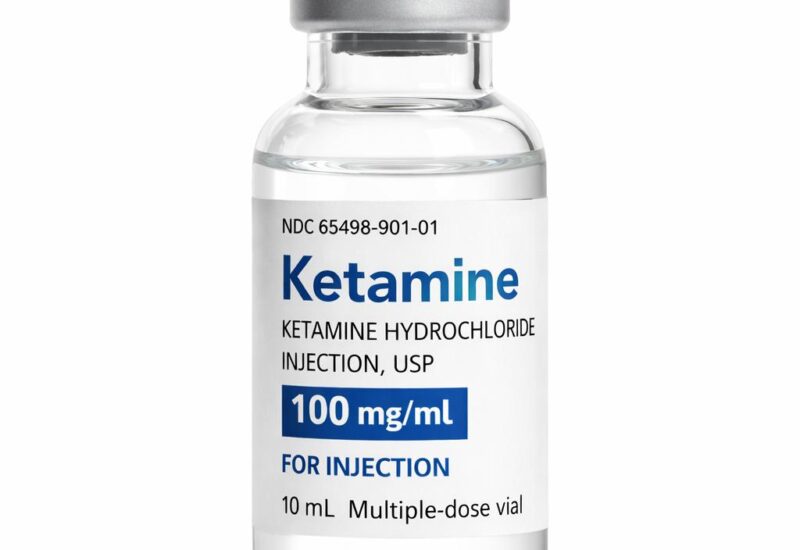
This guide also explores ketamine’s separate role in medical science, including research into ketamine cream and the importance of responsible pharmaceutical product information.
1. Understanding the Two Active Ingredients
Although these ingredients appear in one oral solution, they perform different functions.
Promethazine hydrochloride belongs to a class of medicines called antihistamines. It blocks histamine H1 receptors, helping reduce certain allergy-related symptoms. It also produces sedative effects, which can cause sleepiness and reduced alertness.
Codeine phosphate belongs to the opioid family. It acts on opioid receptors in the central nervous system and suppresses the brain’s cough response. The liver also converts some codeine into morphine through an enzyme called CYP2D6.
Genetic differences affect how quickly people convert codeine into morphine. Some individuals may produce unexpectedly high morphine levels, increasing the possibility of serious adverse effects.
The combination therefore affects both alertness and respiratory function. Its use requires careful medical assessment.
2. Why Might a Healthcare Professional Prescribe It?
The combination may be prescribed to manage certain troublesome coughs when a clinician considers the potential benefits greater than the risks.
A healthcare professional should first consider what is causing the cough. Respiratory infections, asthma, allergies, reflux, and other medical conditions can produce similar symptoms but require different approaches.
The medicine does not cure the underlying cause of a cough. Instead, codeine suppresses the cough reflex, while promethazine provides antihistamine and sedative effects.
It is not suitable for every cough, and a persistent or worsening cough should be medically evaluated rather than treated by increasing the amount of medicine.
3. Safety First: Who Should Avoid This Medicine?
This combination has serious warnings concerning addiction, misuse, accidental ingestion, and respiratory depression.
According to US prescribing information, it is contraindicated in children younger than 12 years. It is also contraindicated for patients younger than 18 years following tonsillectomy or adenoidectomy. Other contraindications include significant respiratory depression and certain serious medical conditions. Local product information and regulations may differ.
Extra caution or avoidance may also be necessary for people with:
- Chronic breathing conditions or reduced respiratory capacity.
- A history of opioid dependence or substance-use problems.
- Significant liver or kidney impairment.
- Certain neurological conditions.
- Known allergies to either ingredient.
Pregnant or breastfeeding individuals should discuss the risks with a qualified healthcare professional before using opioid-containing medicines.
Important: Never give this prescription combination to a child without appropriate medical direction. Accidental ingestion by a child can be fatal.
4. Side Effects: What Should Patients Watch For?
Both ingredients can cause unwanted effects. Their sedative properties may also combine, making some reactions more pronounced.
| Possible side effect | Explanation |
|---|---|
| Drowsiness | Reduced alertness and concentration |
| Dizziness | Light-headedness or unsteadiness |
| Dry mouth | Reduced saliva production |
| Nausea | Stomach discomfort or vomiting |
| Constipation | Slower movement through the digestive system |
| Confusion | Changes in awareness or mental clarity |
| Respiratory depression | Abnormally slow or shallow breathing |
Recognising an emergency
Severe sleepiness, difficulty waking, blue or grey lips, or slow and shallow breathing may indicate an opioid overdose. Seek emergency medical assistance immediately. Do not assume that someone who is difficult to wake is simply sleeping.
5. Dangerous Interactions and Responsible Use
Combining this medicine with other substances that slow the central nervous system can increase the risk of severe sedation, respiratory depression, coma, and death.
Important substances to discuss with a prescriber include:
- Alcohol.
- Benzodiazepines.
- Sleeping tablets and sedatives.
- Other opioid medicines.
- Certain medicines that affect drug-metabolising enzymes.
Patients should follow their prescription label and pharmacist’s instructions. They should not increase the amount, share the medicine, or use someone else’s prescription. Avoid driving or operating machinery if drowsiness or impaired alertness occurs.
Because codeine can cause dependence, treatment should be reviewed by a healthcare professional. Never extend treatment or change the prescribed amount independently.
6. Ketamine: A Different Area of Pharmaceutical Science
While codeine works primarily through opioid receptors, ketamine primarily affects NMDA receptors, which respond to glutamate, an important neurotransmitter in the nervous system.
This difference makes ketamine scientifically important. Researchers investigate NMDA receptor activity because it contributes to pain signalling, communication between nerve cells, and changes in neural activity.
Ketamine has an established role as a dissociative anaesthetic in medical settings. Researchers also study its potential applications in selected pain conditions and mental-health treatment. Esketamine, a related medicine, has specific approved uses for certain adults with depression and must be administered under medical supervision.
Ketamine’s importance in medicine includes:
- Anaesthesia: It is used by qualified professionals in selected clinical procedures.
- Pain research: Scientists investigate its effects on pain pathways and central sensitisation.
- Neuroscience: Its effects help researchers study NMDA receptors and neural communication.
- Mental-health research: Ketamine-related treatments have contributed to research into depression and other psychiatric conditions.
These applications do not mean that every ketamine formulation is suitable for human treatment. Clinical use depends on the specific medicine, approved indication, patient assessment, and professional supervision.
7. Ketamine Cream: What Does the Research Say?
Ketamine cream is a topical formulation that has been investigated for selected pain conditions, particularly neuropathic pain.
Neuropathic pain develops when nerves or the nervous system become damaged or dysfunctional. People may experience burning sensations, tingling, shooting discomfort, or unusual sensitivity to touch.
Researchers have explored whether ketamine’s interaction with NMDA receptors could influence some of these pain pathways when a compounded preparation is applied to the skin.
However, important limitations must be understood.
Potential research interest: Studies have investigated topical ketamine in conditions such as complex regional pain syndrome and other nerve-related pain problems.
Evidence limitations: Clinical findings remain limited and inconsistent. Topical ketamine has not been established as a reliable general treatment for neuropathic pain.
Regulatory status: Compounded ketamine cream is not FDA-approved as a finished topical medicine.
Absorption considerations: Applying a medicine to the skin does not guarantee that it stays entirely local or cannot enter the bloodstream.
Patients should not prepare their own ketamine creams or apply research-grade materials to their skin. A qualified healthcare professional must assess any proposed treatment.
8. Codeine and Ketamine: Why They Are Not Interchangeable
| Feature | Codeine | Ketamine |
|---|---|---|
| Drug category | Opioid | Dissociative anaesthetic |
| Main mechanism | Opioid receptor activity | NMDA receptor antagonism |
| Medical role | Selected prescription pain and cough uses | Anaesthesia and selected supervised applications |
| Research interest | Opioid pharmacology | Pain pathways and neuroscience |
| Important risks | Dependence and respiratory depression | Dissociation, sedation, and cardiovascular effects |
Neither medicine should be treated as a direct replacement for the other. Their uses, risks, and clinical evidence are different.
9. KetamineResearchLabs: Product Information and the LabsStore
At KetamineResearchLabs, we recognise the importance of pharmaceutical education, clear product descriptions, and responsible research practices.
Through KETAMINERESEARCHLABS.COM and our LabsStore, visitors can explore available ketamine-related research product categories and supporting product information.
Our product-information priorities include:
- Clear product identification and descriptions.
- Available specifications and batch information.
- Certificates of Analysis, where provided.
- Relevant handling and storage information.
- Transparent statements about intended use and applicable regulations.
We aim to make research-focused product information accessible to audiences in the USA and internationally, subject to applicable laws and availability.
Product quality should be evaluated through appropriate documentation and verification. A Certificate of Analysis can provide batch-specific analytical information, but it does not establish clinical effectiveness, human safety, or approval as a medicine.
Our LabsStore provides a place to review available product information. Research materials must only be used for authorised purposes. They should never be presented as substitutes for approved prescription treatments.
Frequently Asked Questions
What is promethazine hydrochloride and codeine phosphate oral solution used for?
It is a prescription combination used for selected cases of troublesome cough when a healthcare professional determines that its benefits outweigh its risks.
Can it cause addiction?
Yes. Codeine is an opioid and can cause tolerance, physical dependence, misuse, and opioid use disorder.
Can it affect breathing?
Yes. Both ingredients can contribute to sedation, and codeine can suppress breathing. Severe respiratory depression is a medical emergency.
Is ketamine cream proven to treat nerve pain?
No. It has been investigated for selected neuropathic pain conditions, but current evidence remains limited and inconsistent.
Where can I find KetamineResearchLabs product information?
Visit KETAMINERESEARCHLABS.COM to explore available research-focused product descriptions and the LabsStore.
Conclusion: Make Informed Decisions About Medicines and Research
Promethazine hydrochloride and codeine phosphate oral solution combines an antihistamine with an opioid. Although it may have a role in selected cough-treatment situations, its risks require careful prescribing, responsible storage, and professional supervision.
Ketamine represents a separate and important area of pharmaceutical science, with established anaesthetic applications and continuing research into pain pathways and mental health. Ketamine cream remains an investigational area rather than a proven general treatment.
At KetamineResearchLabs, we encourage informed scientific research, transparent product information, and responsible use of pharmaceutical materials.
Explore our website and LabsStore for available product information.
Website: KETAMINERESEARCHLABS.COM
Email: [email protected]
Stay informed for your health and well-being! SHOP NOW.
For any medical treatment, consult a qualified healthcare professional and follow applicable prescribing and regulatory requirements.