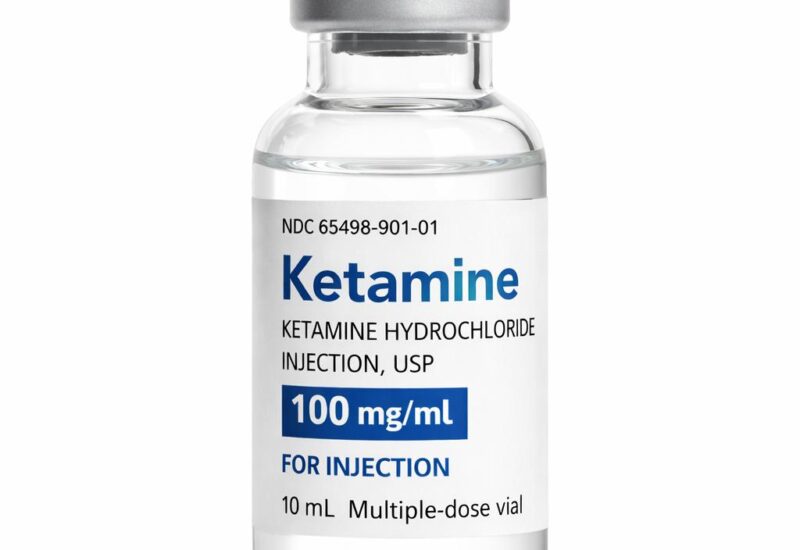
ketamine treatment near me

Treatment and Innovative Mental Health Care
What Is Ketamine Treatment?
If you are searching for ketamine treatment near me, you may be exploring new options for managing depression, particularly if conventional treatments have not provided sufficient relief. Ketamine has attracted attention because it can improve depressive symptoms relatively quickly in some patients, including certain individuals with treatment-resistant depression. However, it does not work for everyone, and appropriate medical assessment remains essential.
Originally developed as an anesthetic, ketamine affects several signaling systems in the brain, including those involving glutamate. Researchers continue to investigate how these effects may influence mood, emotional regulation, and the connections between brain cells.
Unlike many traditional antidepressants, which can take several weeks to produce noticeable benefits, ketamine may provide improvement within hours or days for some patients. The duration of this improvement varies, and ongoing treatment may be necessary under professional supervision.
How Can Ketamine Help With Depression?
Depression can affect sleep, appetite, motivation, concentration, relationships, and everyday activities. For some people, symptoms persist despite trying multiple treatments. This condition is often described as treatment-resistant depression.
Ketamine may offer another treatment option for appropriately selected patients.
1. Potentially rapid symptom relief
Clinical research suggests that ketamine can reduce depressive symptoms relatively quickly in some people. This is particularly important for patients who have experienced persistent symptoms despite conventional antidepressant treatment.
However, a rapid response is not guaranteed. Clinicians must monitor symptoms and evaluate whether improvements continue over time.
2. Effects on brain signaling
Ketamine interacts with NMDA receptors, which form part of the brain’s glutamate signaling system. Researchers believe these effects may influence other signaling pathways involved in synaptic plasticity—the brain’s ability to strengthen and reorganize connections between nerve cells.
These changes may contribute to improvements in mood and emotional processing. Scientists are still studying the precise mechanisms involved.
3. Supporting a broader treatment plan
Ketamine should not automatically replace psychotherapy, conventional medication, or other established mental health treatments. Instead, a qualified clinician may consider it as one component of an individualized care plan.
Some patients may benefit from combining appropriate medication management with psychotherapy, sleep improvements, social support, and ongoing clinical monitoring.
What Happens During Ketamine Treatment?
Treatment begins with a clinical assessment. A healthcare professional reviews the patient’s symptoms, previous treatments, medical history, current medications, and potential contraindications.
Depending on the clinical setting and jurisdiction, ketamine may be administered intravenously or through another medically supervised route. Intranasal esketamine is a related but distinct medication with specific approved indications in certain countries.
During treatment, vital signs and the patient’s level of consciousness may be monitored. Ketamine can temporarily cause dissociation, dizziness, nausea, changes in blood pressure, and altered perceptions. Patients generally need observation and should not drive until medically cleared.
The number of sessions and the follow-up plan depend on the treatment method, clinical response, and individual risk factors.
Important: Ketamine treatment for depression is not appropriate for everyone. Its use for depression is off-label in many jurisdictions, while esketamine has specific approved uses in some countries. A licensed clinician should explain the evidence, alternatives, risks, and legal requirements before treatment begins. TO READ AND LEARN MORE CLICK HERE..
Ketamine Treatment Near Me: How to Choose a Provider
Finding a nearby provider involves more than comparing prices or promises of fast results. Mental health treatment should be delivered by qualified professionals who can assess eligibility, respond to adverse effects, and provide appropriate follow-up.
Before choosing a clinic, consider the following:
- Professional qualifications: Confirm that clinicians have appropriate licenses, training, and experience.
- Medical screening: Ask how the provider evaluates cardiovascular risks, psychiatric history, medication interactions, and other contraindications.
- Monitoring and emergency readiness: Check whether vital signs are monitored and emergency procedures are available.
- Transparent treatment plans: Request clear information about costs, follow-up appointments, expected benefits, and limitations.
- Continuity of care: Choose a service that coordinates with your existing mental health professionals when appropriate.
Avoid providers who guarantee a cure, promise permanent results, or recommend unsupervised ketamine use.
Ketamine, Iboga, and Ibogaine: What Is the Difference?
Ketamine, iboga, and ibogaine are sometimes discussed in conversations about emerging mental health and addiction treatments. However, they are different substances with different pharmacological effects, evidence bases, and safety concerns.
Ketamine
Ketamine has established medical uses as an anesthetic. Research also supports its potential role in treating depressive symptoms in selected patients, while esketamine has approved indications for certain forms of depression in some jurisdictions.
Its effects can be rapid, but risks include dissociation, increased blood pressure, impaired coordination, misuse, and dependence with repeated inappropriate use.
Iboga and ibogaine
Iboga is a plant native to Central Africa, traditionally associated with spiritual and ceremonial practices. Ibogaine is one of its psychoactive alkaloids and has attracted research interest for its possible role in substance-use disorders and other mental health concerns.
Nevertheless, evidence supporting ibogaine as a treatment remains limited. It is not an established, proven treatment for depression or addiction. Ibogaine can cause dangerous heart rhythm disturbances and has been associated with sudden death.
Why the distinction matters
Although researchers are interested in both ketamine and ibogaine, their effects should not be treated as interchangeable. They have different risks, and neither should be combined with other psychoactive substances without specialist medical guidance.
Anyone considering either approach should review the scientific evidence, legal status, potential complications, and available evidence-based alternatives with qualified healthcare professionals.
Frequently Asked Questions
How quickly can ketamine help depression?
Some patients experience improvement within hours or days, but others experience little or no benefit. The duration and consistency of improvement vary.
Is ketamine a permanent cure for depression?
No. Current evidence does not establish ketamine as a permanent cure. Symptoms may return, so follow-up care is important.
Can ketamine treat anxiety or addiction?
Researchers are investigating these applications, but evidence and clinical recommendations vary by condition. Ketamine should only be used for an appropriate indication under qualified medical supervision.
Is ketamine safe for everyone?
No. Certain cardiovascular conditions, medication interactions, psychiatric factors, and substance-use risks may affect suitability. Individual assessment is essential.
Conclusion: Learn More About Ketamine Research
Ketamine has created new possibilities in mental health research, particularly for people living with persistent depressive symptoms. However, treatment decisions should be guided by credible evidence, careful screening, realistic expectations, and professional medical supervision.
At KETAMINERESEARCHLABS.COM, readers can seek further educational information about ketamine research, its potential applications, and the evolving scientific understanding of mental health treatments.
Have questions or want to learn more?
Email [email protected] to contact the team for further information.