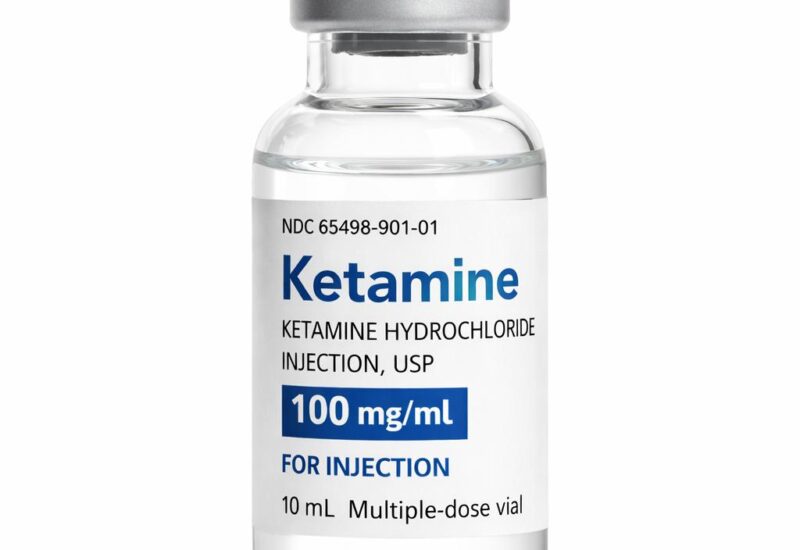
ketamine treatment for depression

Ketamine Treatment for Depression: Benefits, Research, and Alternative Therapies
Introduction to Ketamine Treatment for Depression
Ketamine treatment for depression has gained significant attention in mental health research because it may provide rapid relief for some people who have not responded adequately to conventional antidepressants. Unlike many traditional medications, ketamine affects glutamate signaling in the brain, offering researchers a different approach to understanding and treating depressive symptoms.
Depression can affect mood, sleep, motivation, concentration, relationships, and everyday activities. Although psychotherapy and conventional antidepressants help many people, some continue to experience symptoms despite treatment. For these individuals, ketamine has emerged as a potential option under appropriate medical supervision.
Researchers are also exploring other substances, including ibogaine, to better understand addiction, brain function, and mental health. Understanding the differences between these approaches can help readers make informed decisions about treatment options.
What Is Ketamine Treatment for Depression?
Ketamine is a medication originally developed for anesthesia. Its potential antidepressant effects have made it an important subject of psychiatric research.
Ketamine acts primarily on NMDA receptors, which are involved in glutamate signaling. Glutamate is a neurotransmitter that helps nerve cells communicate and supports learning, memory, and other brain functions.
Researchers believe ketamine may influence synaptic plasticity, the brain’s ability to strengthen and reorganize connections between neurons. These changes may contribute to improvements in depressive symptoms, although its precise mechanisms are still being investigated.
Unlike conventional antidepressants, which may take several weeks to produce noticeable benefits, ketamine can improve depressive symptoms within hours in some patients. However, responses differ, and the benefits may not last without appropriate follow-up care.
Ketamine is sometimes used off-label for depression under specialist medical supervision. Esketamine, a related medication, has specific regulatory approvals for certain depression indications in some countries. These treatments have different prescribing requirements and should not be considered interchangeable.
Potential Benefits of Ketamine for Depression
1. Rapid Improvement in Depressive Symptoms
One of ketamine’s most notable potential benefits is its rapid action. Some patients experience improvements within hours or days, which differs from the typical response time associated with many conventional antidepressants.
This may be particularly important for individuals whose symptoms have persisted despite previous treatments. However, rapid improvement is not guaranteed, and ketamine does not cure depression in every patient.
2. Potential Help for Treatment-Resistant Depression
Treatment-resistant depression generally refers to depression that has not improved adequately after appropriate treatment attempts.
Ketamine has demonstrated antidepressant effects in clinical studies involving some people with treatment-resistant depression. For eligible patients, a specialist may consider it after reviewing previous treatments, medical history, and potential risks.
The treatment’s duration of benefit varies. Some patients may experience temporary relief, while others require additional treatment planning and continued psychiatric support.
3. Support for Comprehensive Mental Healthcare
Ketamine should not be viewed as a replacement for every other form of depression treatment. Instead, it may be considered as part of a broader care plan that includes psychiatric assessment, psychotherapy, follow-up appointments, and practical support.
Healthcare professionals should monitor treatment outcomes and adverse effects. Patients should also receive clear information about alternative treatments and the possibility that ketamine may not work for them.
Ketamine Treatment: Safety and Possible Side Effects
Although ketamine offers potential benefits, it also carries important risks. Possible side effects include:
- Dizziness and nausea.
- Temporary increases in blood pressure and heart rate.
- Dissociation or changes in perception.
- Drowsiness and impaired coordination.
- Confusion or altered consciousness.
Ketamine can also be misused, and repeated exposure may carry additional risks, including urinary tract and bladder problems.
Before treatment, a qualified healthcare professional should evaluate cardiovascular health, psychiatric history, current medications, and other relevant medical factors. Appropriate monitoring must be provided during and after administration.
Patients should never attempt to treat depression by obtaining or administering unverified ketamine products themselves. Only appropriately supervised treatment can support proper patient assessment and risk management.
For additional information, consult the National Institute of Mental Health.
Ketamine, Iboga, and Ibogaine: What Is the Difference?
Ketamine, iboga, and ibogaine are different substances with distinct pharmacological effects, research histories, and safety considerations.
Understanding Iboga and Ibogaine
Iboga is a plant native to Central Africa. Ibogaine is one of its psychoactive alkaloids and has attracted research interest because of its potential effects on substance use disorders.
Some observational research has reported reductions in withdrawal symptoms or substance cravings among certain participants. However, the evidence remains limited, and further rigorous clinical research is needed to establish effectiveness and appropriate use.
Ibogaine can cause serious cardiac complications, including dangerous heart rhythm disturbances and sudden death. Researchers have not established it as a safe or proven treatment for depression or addiction.
Comparing Ketamine and Ibogaine Research
Ketamine has a more established clinical evidence base for rapid antidepressant effects, particularly in treatment-resistant depression. Ibogaine research has focused substantially on addiction-related outcomes, including opioid dependence.
| Feature | Ketamine | Ibogaine |
|---|---|---|
| Main research focus | Depression and anesthesia | Primarily substance use disorders |
| Proposed mechanisms | NMDA receptor activity and glutamate signaling | Interactions with multiple neurotransmitter systems |
| Evidence for depression | Clinical evidence supports antidepressant effects in some patients | Insufficient evidence to establish it as a depression treatment |
| Major safety concerns | Blood pressure changes, dissociation, misuse, and other adverse effects | Potentially fatal cardiac rhythm abnormalities |
| Medical oversight | Essential | Essential, with particular concern about cardiac risks |
Neither substance guarantees recovery, and neither should be promoted as a universal solution for mental health conditions.
Why Continued Research Matters
Research into ketamine and ibogaine may help scientists understand how brain signaling, neural plasticity, and substance-related behaviors influence mental health.
However, promising early findings must be distinguished from established clinical evidence. Researchers must evaluate effectiveness, long-term outcomes, contraindications, interactions, and serious adverse events before drawing reliable conclusions.
People experiencing depression or addiction should seek evidence-based care rather than delay treatment while pursuing experimental approaches.
Is Ketamine Treatment Right for Everyone?
No. Ketamine treatment is not appropriate for everyone experiencing depression. A qualified healthcare professional should assess the severity of symptoms, previous treatment responses, medical history, and individual risk factors.
Depending on the person’s needs, treatment may include psychotherapy, conventional antidepressants, specialist psychiatric care, or a combination of approaches. Ketamine may be considered in selected cases when its potential benefits outweigh its risks.
Anyone experiencing thoughts of suicide or immediate danger should seek urgent professional help rather than wait for an elective treatment appointment.
Conclusion: Exploring Better Approaches to Depression Care
Ketamine treatment for depression represents an important development in mental health research because it may provide rapid symptom relief for some people who have not benefited from conventional antidepressants.
Its effects on glutamate signaling and brain plasticity continue to inform research into new psychiatric treatments. Meanwhile, ibogaine remains an area of scientific interest, particularly in addiction research, although its effectiveness and safety limitations require careful consideration.
The best treatment approach depends on the individual. Professional medical assessment, reliable scientific evidence, appropriate monitoring, and ongoing support remain essential to responsible depression care.
Contact KETAMINERESEARCHLABS.COM
Would you like to learn more about ketamine research, mental health science, and emerging therapeutic approaches? Order now by clicking here..
Email: [email protected]
Website: KETAMINERESEARCHLABS.COM
Contact our team for educational information and research-related enquiries.