ketamine addiction treatment
Ketamine Treatment Near Me: Medical Benefits, Products, and Addiction Research
If you are searching for ketamine treatment near me, understanding the medication’s medical applications, potential benefits, and safety requirements can help you make informed healthcare decisions. Ketamine has established uses in anesthesia, and researchers continue to investigate its potential to relieve depressive symptoms and support selected mental health treatments. Its possible role in addiction care has also attracted scientific interest, although further evidence is needed before it can be recommended as a general addiction treatment.
At KETAMINERESEARCHLABS.COM, readers can explore educational information about ketamine, pharmaceutical product quality, and ongoing research. Understanding how ketamine works, how clinicians use it, and why responsible sourcing matters can help patients and healthcare professionals evaluate available information more effectively.
What Is Ketamine?
Ketamine is a dissociative anesthetic that affects communication between nerve cells in the brain. It primarily blocks NMDA receptors, which participate in glutamate signaling and influence several neurological processes.
Healthcare professionals use ketamine for anesthesia and, in certain circumstances, pain management. Researchers have also studied its rapid effects on mood, particularly among people experiencing treatment-resistant depression.
Unlike many traditional antidepressants, ketamine may reduce depressive symptoms within hours or days in some patients. However, not everyone responds, and the benefits may not last. Medical assessment and appropriate follow-up remain essential.
Why Are Ketamine Products Important in Healthcare?
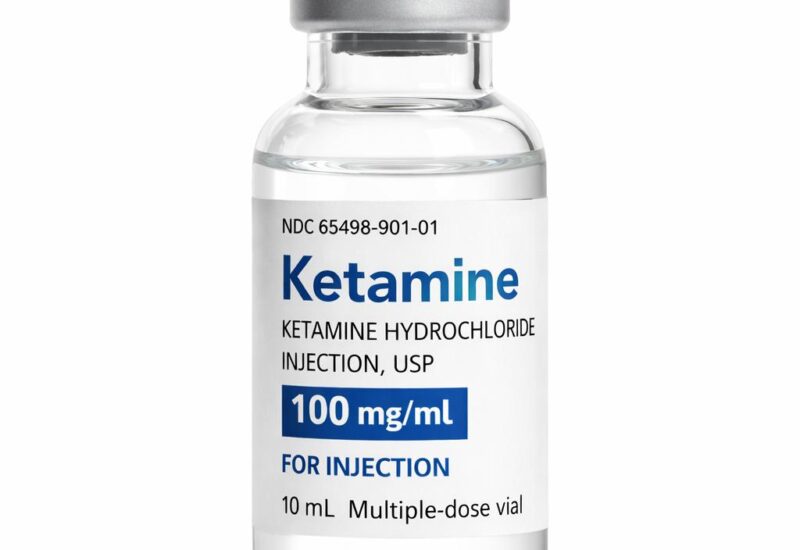
Ketamine products have specific medical applications, and their quality can directly affect patient safety. Formulation, concentration, sterility, storage, labeling, and handling all matter, particularly when healthcare professionals administer injectable medication.
1. Injectable ketamine for anesthesia
Injectable ketamine is used in clinical settings to induce or maintain anesthesia. Depending on the clinical situation, healthcare professionals may also use it for certain pain-management applications.
Its anesthetic properties can be valuable in appropriately selected patients. However, ketamine can affect blood pressure, heart rate, consciousness, and breathing, particularly when combined with other sedating medications.
Qualified professionals must determine the appropriate use and monitor patients during administration. Pharmaceutical products should be obtained through authorized supply channels and handled according to applicable standards.
2. Ketamine and mental health research
Ketamine has attracted considerable interest because of its potential to reduce depressive symptoms relatively quickly in certain patients.
Researchers are investigating how ketamine’s effects on glutamate signaling may influence synaptic plasticity—the brain’s ability to strengthen and reorganize connections between nerve cells. These processes may help explain some of its effects on mood, although the precise mechanisms remain under investigation.
For eligible patients with treatment-resistant depression, supervised ketamine treatment may offer another option when conventional treatments have not provided sufficient relief. Clinicians must still evaluate its benefits against the risks and discuss other available treatments.
Intranasal esketamine, a related but distinct medication, has specific approved indications in certain countries. Its regulatory status and prescribing requirements differ from those of ketamine itself.
3. Product quality and pharmaceutical standards
The quality of a ketamine product matters because contamination, incorrect concentration, improper storage, or counterfeit medication can cause serious harm.
Responsible pharmaceutical sourcing involves checking:
- Manufacturer and supplier credentials
- Product labeling and concentration
- Batch identification and traceability
- Expiration dates and storage requirements
- Applicable manufacturing and regulatory standards
A product should not be considered safe simply because a website describes it as premium, pharmaceutical grade, or suitable for research. Buyers and healthcare organizations should verify relevant documentation and regulatory authorization independently.
How Can Ketamine Help With Depression?
Depression can affect concentration, motivation, sleep, appetite, relationships, and the ability to manage everyday responsibilities. Some people continue to experience symptoms despite trying several established treatments.
In selected cases, ketamine may provide relatively rapid relief. Clinical studies have reported short-term reductions in depressive symptoms among some people with treatment-resistant depression.
However, ketamine does not guarantee recovery or permanently cure depression. Symptoms may return, and clinicians must evaluate the duration of benefits and the need for additional treatment.
A comprehensive care plan may include psychotherapy, medication management, sleep support, and regular follow-up. Patients should discuss their treatment history, current medications, cardiovascular health, and psychiatric history with a qualified clinician before considering ketamine. TO READ AND LEARN MORE CLICK HERE
Ketamine and Addiction Treatment: What Does Research Show?
Researchers have investigated whether ketamine, when combined with structured psychological support, may help some people with substance-use disorders.
Early studies have explored its potential role in alcohol-use disorder and other addiction-related conditions. Although some findings are promising, the evidence remains limited and varies according to the substance involved, the treatment approach, and the study design.
Ketamine is not an established universal treatment for addiction. It also carries risks of misuse, dependence, impaired judgment, and other adverse effects.
Effective addiction treatment may include evidence-based medications, behavioral therapies, counseling, peer support, and care for coexisting mental health conditions. A qualified addiction specialist can help patients select appropriate treatment options based on their circumstances.
Important: People should not stop prescribed addiction medication or attempt to treat addiction with unsupervised ketamine. Medical supervision is essential when evaluating any potential treatment.
How to Find Ketamine Treatment Near Me
When searching for ketamine treatment near me, prioritize qualified medical care over promotional claims, guaranteed outcomes, or unusually low prices.
Before choosing a provider, consider these factors:
Professional qualifications: Verify that the clinicians have appropriate licenses, relevant training, and experience with the treatment being offered.
Medical screening: Ask how the provider evaluates cardiovascular health, psychiatric history, current medications, and other potential contraindications.
Patient monitoring: Confirm that the clinic has appropriate monitoring procedures and can respond to adverse reactions.
Transparent pricing: Request a clear explanation of consultation fees, treatment costs, follow-up appointments, and possible additional expenses.
Continuity of care: Look for a provider that offers follow-up assessments and coordinates with other healthcare professionals when appropriate.
Avoid services that promise guaranteed results, permanent recovery, or risk-free treatment.
KetamineResearchLabs: Product Information and Research Education
KETAMINERESEARCHLABS.COM can be presented as a point of contact for inquiries about ketamine-related research and product information. Anyone evaluating a pharmaceutical supplier should verify its credentials, product documentation, quality controls, and authorization to supply the relevant products in the intended market.
For customers in the United States and other countries, applicable regulations may differ. Ketamine is subject to prescription and controlled-substance requirements in many jurisdictions, and international supply may involve additional restrictions.
Claims that a supplier offers the “best” products or worldwide availability should be supported by verifiable quality documentation, appropriate authorization, and evidence of lawful distribution. Product quality and regulatory compliance are more meaningful measures than advertising claims alone.
Responsible pharmaceutical practices help protect patients, support legitimate research, and promote confidence in healthcare products.
Frequently Asked Questions
Is ketamine approved for depression?
Ketamine has established anesthetic uses. Its use for depression depends on the formulation and jurisdiction. Intranasal esketamine has specific approved indications in some countries.
Can ketamine cure addiction?
No. Researchers continue to investigate ketamine’s possible role in addiction care, but it has not been established as a general cure. Evidence-based treatment remains important.
Are all ketamine products the same?
No. Products can differ in formulation, concentration, intended use, and regulatory status. Healthcare professionals must use products appropriately and follow applicable requirements.
Is ketamine safe for everyone?
No. Ketamine may cause dissociation, dizziness, increased blood pressure, impaired coordination, and other adverse effects. Individual medical assessment is necessary.
Conclusion: Make Informed Decisions About Ketamine
Ketamine plays an important role in anesthesia and continues to be studied for its potential applications in mental health care. Research into its role in addiction treatment is ongoing, and patients should understand both the potential benefits and the limitations of current evidence.
Safe and responsible use depends on qualified medical supervision, reliable pharmaceutical sourcing, appropriate product standards, and realistic treatment expectations. SHOP NOW
For educational inquiries about ketamine research and related product information, visit KETAMINERESEARCHLABS.COM.
Contact our team for more information:
Email: [email protected]