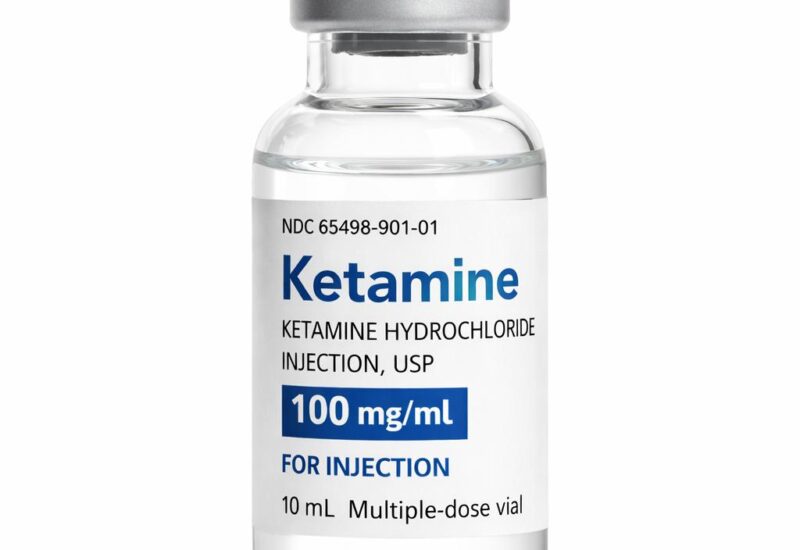
ketamine powder dosage

Ketamine Powder Dosage: Safety, Medical Uses, and the Importance of Ketamine Products
Introduction
Ketamine powder dosage is an important topic for people researching ketamine, its medical applications, and the safety considerations associated with different formulations. Ketamine has established uses in anaesthesia, and researchers continue to investigate its potential role in selected mental health and pain conditions. However, ketamine powder should never be dosed for personal use by estimating its weight or following instructions intended for a different formulation.
Explore our guide to ketamine powder dosage! Learn about medical supervision, possible effects, safety considerations, and the importance of reliable product information. Understanding how ketamine works—and why its formulation matters—can help people make informed decisions about their health.
At KetamineResearchLabs, we encourage responsible education about ketamine products, laboratory quality, and appropriate medical care. Through KETAMINERESEARCHLABS.COM and our Labs Store, visitors can explore available product information while distinguishing research materials from medicines intended for human use.
What Is Ketamine Powder?
Ketamine is a dissociative anaesthetic that affects signaling in the brain, particularly through its interaction with NMDA receptors. Medical professionals use ketamine for anaesthesia and certain other clinical purposes.
Ketamine powder describes a physical form of the substance, but the word “powder” alone does not establish its purity, concentration, intended use, or suitability for medical treatment.
A product’s identity and quality must be established through appropriate testing and documentation. Powders intended for laboratory research should not automatically be considered suitable for human consumption, injection, or other forms of administration.
Understanding Ketamine Powder Dosage
Ketamine does not have one universal dosage that is safe for everyone. The appropriate medical amount depends on the clinical indication, formulation, route of administration, patient characteristics, other medications, and monitoring arrangements.
For this reason, there is no safe, general-purpose ketamine powder dosage that can be recommended for self-administration.
1. Formulation affects dosing
Ketamine products may be supplied in different formulations, including injectable medicines and products intended for research. These formulations are not interchangeable.
A dose prescribed for a particular medical formulation cannot automatically be transferred to an unverified powder. Differences in concentration, purity, absorption, and route of administration can substantially change the effects and risks.
2. Medical purpose matters
Clinicians use ketamine for established anaesthetic purposes. Researchers have also investigated its potential effects on certain psychiatric conditions, including treatment-resistant depression.
These applications involve different protocols and levels of evidence. Treatment must be selected and monitored by appropriately qualified professionals rather than based on general online dosage charts.
3. Individual health factors matter
A healthcare professional may consider cardiovascular health, blood pressure, liver function, mental health history, other medicines, and substance-use history before determining whether ketamine is appropriate.
Ketamine can cause sedation, dissociation, nausea, changes in blood pressure, and altered perception. Certain combinations with other substances can increase risks. Repeated misuse can also lead to dependence, urinary tract damage, and cognitive problems.
4. Accurate measurement is not enough
Even when a laboratory scale measures mass precisely, that measurement does not prove the identity, purity, or safety of a powder. Validated testing and appropriate quality controls are also necessary.
Never estimate a ketamine dose by eye, use a household scale to prepare a dose, or attempt to convert a research product into a medicine for personal use.
What Are the Potential Medical Uses of Ketamine?
Ketamine has several medically relevant applications, although its suitability depends on the condition and treatment setting.
Anaesthesia: Ketamine is used by medical professionals to produce anaesthesia or sedation in appropriate clinical circumstances. Trained staff monitor the patient and respond to adverse effects.
Mental health research: Studies have investigated ketamine’s rapid antidepressant effects in selected patients. However, not every patient responds, benefits may not last, and continued clinical follow-up may be necessary.
Pain management: Clinicians may use ketamine in selected pain-management settings. Its suitability depends on the diagnosis, patient characteristics, and available evidence.
These applications do not mean that unverified ketamine powder is appropriate for self-treatment. Medical benefits depend on using the correct formulation under appropriate clinical conditions. Read more
What Is Ketamine Cream?
Ketamine cream is a topical preparation containing ketamine. Researchers have investigated some topical formulations for localized pain, including certain neuropathic pain conditions.
A topical preparation is applied to the skin rather than administered by injection. However, absorption can vary according to the formulation, the condition of the skin, the application area, and other factors.
Ketamine cream should not be considered an alternative dosage form for ketamine powder unless a qualified healthcare professional has assessed a legitimate, appropriate medical use.
Potential Benefits and Limitations of Ketamine Cream
1. Research into localized pain relief
Researchers have explored whether topical ketamine may help some people with localized pain. In selected circumstances, a healthcare professional may consider a compounded topical preparation as part of an individualized pain-management plan.
However, the evidence remains limited and inconsistent for many proposed uses. Current research does not establish reliable benefits across all pain conditions, so patients should discuss evidence-based alternatives with their clinicians.
2. Convenient application
A cream can be applied to a particular skin area when recommended by a healthcare professional. This may be convenient in some treatment plans, but it does not guarantee that ketamine will remain localized or produce meaningful relief.
Systemic absorption and unwanted effects may still occur. Users should follow professional instructions and avoid applying more than directed.
3. Supporting an individualized care plan
Pain management may combine established medicines, physical therapy, psychological support, and treatment of the underlying condition. A topical preparation may be considered in selected circumstances, but it should not replace a proper diagnosis or delay assessment of worsening symptoms.
Ketamine cream is not an established treatment for ketamine addiction, depression, or anxiety. It should not be promoted as a guaranteed cure or a substitute for appropriate mental healthcare.
4. Why product quality matters
A topical formulation must be evaluated according to its ingredients, concentration, consistency, stability, and other relevant quality characteristics. Product documentation can help explain what a preparation contains, but it cannot independently prove clinical effectiveness or safety for every patient.
Only use ketamine-containing creams through a lawful and appropriate medical pathway.
Ketamine Powder and Ketamine Cream: Important Differences
| Feature | Ketamine powder | Ketamine cream |
|---|---|---|
| Form | Powdered material | Topical preparation |
| Intended use | Depends on the product’s verified purpose | Depends on the formulation and medical indication |
| Main concern | Identity, purity, formulation, and unsafe self-dosing | Absorption, formulation quality, and uncertain effectiveness for many uses |
| Medical guidance | Essential before any human medical use | Essential when considering a ketamine-containing preparation |
Neither form should be assumed safe simply because it is available for purchase.
How to Evaluate Ketamine Products Responsibly
When reviewing products through a laboratory supplier or online store, consider these points:
- Product specifications: Check the stated identity, formulation, intended purpose, and available technical details.
- Quality documentation: Review relevant testing records and certificates of analysis when supplied, and confirm that they relate to the particular product or batch.
- Regulatory requirements: Check local laws governing purchase, possession, shipping, and use.
- Appropriate handling: Follow the relevant safety information and keep ketamine products away from children and unauthorized users.
- Medical advice: Consult a qualified healthcare professional before considering any ketamine product for a health condition.
A product listing, certificate, or precise mass measurement does not by itself establish that a substance is suitable for human use.
Discover KetamineResearchLabs and Our Labs Store
KetamineResearchLabs provides information about available ketamine-related products through KETAMINERESEARCHLABS.COM and our Labs Store. Visitors can review available listings, product specifications, and supporting documentation where provided.
We encourage customers in the United States and worldwide to evaluate product information carefully and verify applicable regulations before making a purchase. Requirements differ between countries, particularly for prescription medicines, controlled substances, and research materials.
Our focus is on informed product evaluation and responsible decision-making. Product availability does not establish regulatory approval, medical effectiveness, or suitability for a particular person.
Conclusion: Make Informed Decisions About Ketamine
Understanding ketamine powder dosage starts with recognizing that no single dosage is safe for every person or every formulation. Ketamine requires appropriate medical assessment and supervision, and unverified powders should never be used for self-dosing.
Ketamine cream has been investigated for certain localized pain conditions, but evidence remains limited for many proposed applications. Its potential role should be assessed by a qualified healthcare professional rather than assumed from product descriptions.
Stay informed for your health and well-being! SHOP NOW to explore available product information through the KetamineResearchLabs Labs Store.
Visit: KETAMINERESEARCHLABS.COM
Email: [email protected]
Explore available product information and documentation, and confirm that any product is lawful and appropriate for its stated purpose before purchasing.