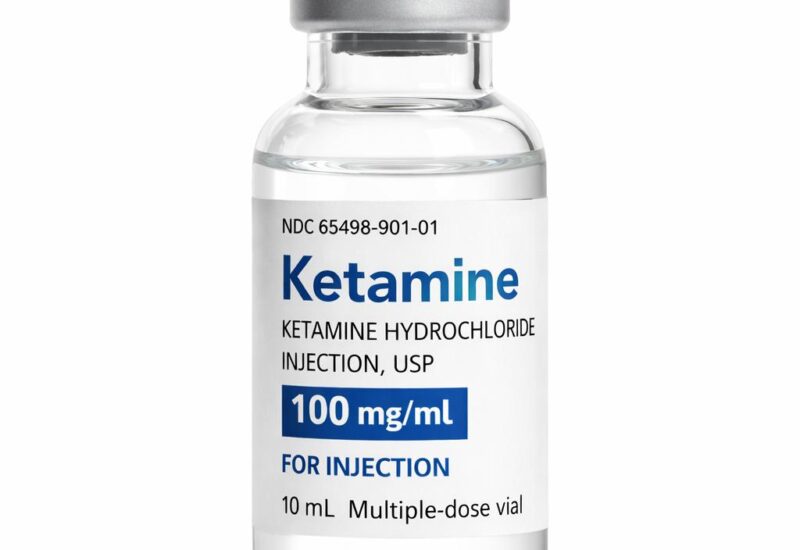
ketamine cream
Ketamine Cream: Uses, Pain Management, Research, and Health Benefits
Introduction to Ketamine Cream
Ketamine cream is a topical preparation that contains ketamine and is sometimes prescribed as part of an individualized pain management plan. Researchers have investigated topical ketamine for localized pain, particularly neuropathic pain, which occurs when nerves become damaged or function abnormally.
Interest in ketamine cream has grown because topical medications can offer a way to target specific areas of discomfort. However, the benefits depend on the formulation, the condition being treated, and the available clinical evidence. Topical ketamine is not an established treatment for every pain condition, and it should not be confused with ketamine treatments administered for anesthesia or certain mental health conditions.
At KetamineResearchLabs, understanding ketamine products, their scientific background, and their appropriate medical context helps readers make informed decisions about health and well-being.
What Is Ketamine Cream?
Ketamine cream is a topical medication prepared for application to the skin. It may be compounded by a qualified pharmacist when a healthcare professional determines that an individualized formulation is appropriate.
Ketamine primarily acts as an antagonist of N-methyl-D-aspartate (NMDA) receptors. These receptors participate in glutamate signaling, a process involved in communication between nerve cells. Researchers have investigated whether ketamine’s effects on these pathways may help influence certain pain signals when the medication is applied topically.
Unlike standard oral or intravenous ketamine, topical preparations are designed for application to a particular area of the body. Nevertheless, some medication may pass through the skin and enter the bloodstream. Absorption depends on factors such as the formulation, concentration, application area, and condition of the skin.
In the United States, compounded ketamine cream is not FDA-approved, and its safety and effectiveness have not been established through the FDA approval process.
Potential Benefits of Ketamine Cream for Pain Management
1. Research into Localized and Neuropathic Pain
Neuropathic pain may feel like burning, tingling, shooting pain, or extreme sensitivity to touch. It can occur with conditions such as diabetic neuropathy, nerve injuries, and certain post-surgical complications.
Scientists have investigated topical ketamine because NMDA receptor activity contributes to some pain-processing pathways. In theory, influencing these pathways may help reduce particular pain sensations.
However, clinical evidence remains mixed. Reviews of randomized trials have generally found that topical ketamine alone does not consistently relieve neuropathic pain better than a placebo. Some limited studies have reported benefits in particular circumstances, but further high-quality research is needed.
Therefore, ketamine cream should be considered only when a qualified clinician determines that its potential role is appropriate for an individual patient’s circumstances.
2. A Potential Option Within Individualized Pain Care
Pain management often involves several approaches, including physical rehabilitation, established topical medications, psychological support, and condition-specific treatments.
A clinician may evaluate a compounded topical preparation when standard options have not provided adequate relief or when a patient has specific treatment needs. The decision should be based on clinical assessment, available evidence, and a review of possible risks.
The potential advantage of a topical preparation is its targeted method of application. However, applying a medicine to the skin does not guarantee that it will work locally or prevent systemic side effects.
3. Research into Pain Signaling
Ketamine’s interaction with NMDA receptors has made it an important subject in pain research. These receptors contribute to central sensitization, a process in which the nervous system becomes increasingly responsive to painful stimuli.
Researchers continue to investigate whether topical ketamine can meaningfully influence these mechanisms in humans. Laboratory findings and proposed biological mechanisms are useful for guiding research, but they do not independently prove clinical effectiveness.
Can Ketamine Cream Help With Mental Health Conditions?
Ketamine has received considerable attention for its role in certain mental health treatments, particularly treatment-resistant depression. However, evidence for medically supervised ketamine treatment cannot be automatically applied to ketamine cream.
Topical ketamine has not been established as an effective treatment for depression, anxiety, PTSD, or other psychiatric conditions. Applying a cream to the skin should not be viewed as a substitute for evidence-based mental healthcare.
For patients experiencing persistent depression or anxiety, a qualified healthcare professional can discuss established treatments and determine whether a medically supervised ketamine-based treatment is appropriate. To learn and understand more ,Click here…
Ketamine Cream vs. Other Ketamine Treatments
Different ketamine formulations serve different purposes and have different evidence bases.
- Topical ketamine cream: Investigated mainly for localized pain, with limited and mixed evidence of effectiveness.
- Intravenous ketamine: Used in anesthesia and, in selected clinical settings, for certain off-label medical applications.
- Intranasal esketamine: A distinct medication with FDA-approved indications for specific patients with depression, subject to prescribing requirements and safety monitoring.
These formulations are not interchangeable. Their absorption, clinical uses, safety considerations, and regulatory status differ.
Safety Considerations and Responsible Use
Ketamine cream should only be used under appropriate medical guidance. Compounded formulations can vary in their ingredients, concentrations, and absorption characteristics.
Important precautions include:
- Follow professional instructions: Use only the formulation and application instructions prescribed for you.
- Avoid excessive application: Applying too much may increase absorption and the risk of systemic adverse effects.
- Protect sensitive areas: Do not apply the product to broken skin, eyes, mucous membranes, or other sensitive areas unless specifically directed by a qualified clinician.
- Review other medications: A healthcare professional should assess potential interactions and relevant medical conditions.
- Store securely: Keep the preparation away from children and anyone for whom it was not prescribed.
Possible adverse effects may include skin irritation, dizziness, or other systemic symptoms. Serious neurological effects, including seizures, have been reported after excessive exposure to certain compounded topical pain preparations. <Cite refs={[“turn191230search1″,”turn191230search9”]}/>
Seek urgent medical attention if someone develops severe confusion, seizures, fainting, or difficulty breathing after exposure.
Why Quality and Product Documentation Matter
Reliable documentation is essential when evaluating any medication or pharmaceutical preparation. Important considerations include the identity of the active ingredient, the formulation, appropriate quality controls, storage requirements, and traceability.
Compounded medications are prepared to meet particular needs, but they do not undergo the same FDA premarket approval process as FDA-approved drugs. The FDA and the National Academies have highlighted significant evidence gaps concerning the effectiveness and safety of compounded topical pain creams. <Cite refs={[“turn191230search0″,”turn191230search4”]}/>
Patients should obtain prescription medications through appropriately licensed healthcare professionals and pharmacies and should not rely on unverified marketing claims.
KetamineResearchLabs: Education and Product Information
KetamineResearchLabs focuses on ketamine-related information and product documentation. When researching ketamine products, readers should prioritize transparent specifications, reliable quality information, applicable regulatory requirements, and medically supported claims.
The suitability of any ketamine formulation depends on its verified contents, intended use, and legal status. Product descriptions should not be interpreted as proof that a preparation is safe, effective, or appropriate for an individual’s medical needs.
For people researching ketamine products, responsible decision-making begins with accurate information and guidance from qualified professionals.
Frequently Asked Questions About Ketamine Cream
What is ketamine cream used for?
Compounded ketamine cream has been investigated and prescribed in some cases for localized pain, including certain types of neuropathic pain. Evidence of benefit remains limited and inconsistent.
Does ketamine cream work immediately?
The onset and degree of any effect can vary with the formulation and individual circumstances. There is insufficient evidence to promise a consistent response or a specific time to pain relief.
Is ketamine cream FDA-approved?
Compounded ketamine cream is not FDA-approved. A healthcare professional can explain its regulatory status and whether an individualized prescription is appropriate.
Can ketamine cream treat depression?
Ketamine cream is not an established treatment for depression. Specific ketamine-based treatments have separate clinical indications and must be assessed by qualified healthcare professionals.
Conclusion: Stay Informed for Your Health and Well-Being
Ketamine cream is an area of ongoing interest in topical pain research. Although some clinicians have explored its use for selected pain conditions, current evidence does not establish consistent benefits across neuropathic pain disorders or support broad claims about its effectiveness.
Understanding the science, limitations, and safety considerations can help patients discuss appropriate options with their healthcare providers. Quality documentation and responsible prescribing remain essential when evaluating compounded medications.
Contact KetamineResearchLabs
For information about ketamine-related research, product documentation, and available educational resources, contact:
- Email: [email protected]
- Website: KETAMINERESEARCHLABS.COM
Explore available information through the KetamineResearchLabs website and labs store, and verify product specifications, legal requirements, and medical suitability before making decisions. Stay informed, prioritize evidence-based healthcare, and consult a qualified professional for personalized medical advice. SHOP NOW