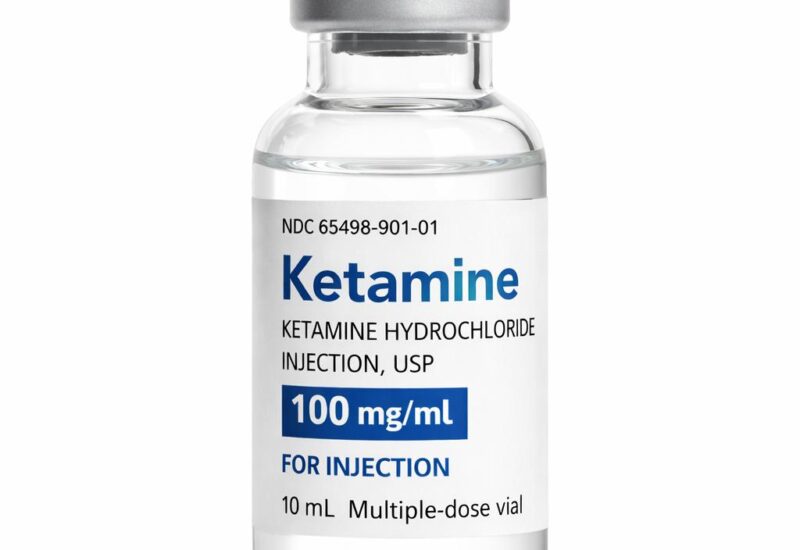
how many ketamine treatments for depression
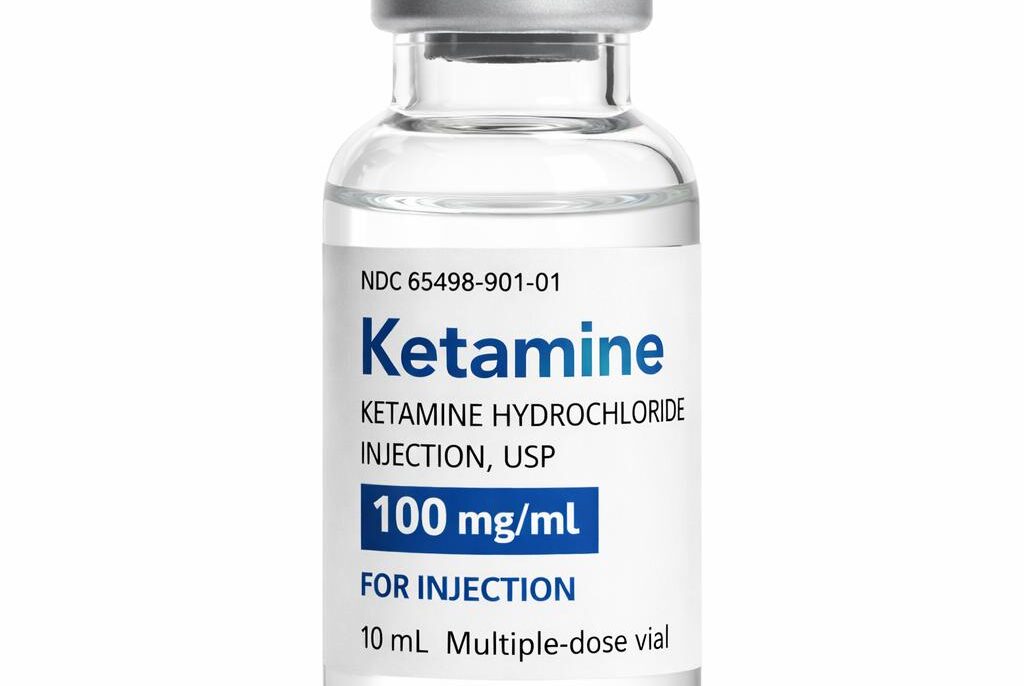
How Many Ketamine Treatments for Depression? A Guide to Treatment Options and Ketamine Cream
Introduction
How many ketamine treatments for depression does a person need to experience meaningful relief? The answer depends on the type of ketamine treatment, the severity of symptoms, the individual’s response, and the treatment plan recommended by a qualified healthcare professional. Some people notice changes after an early treatment, while others need a series of supervised sessions before their clinician can evaluate the benefits.
Ketamine has attracted attention because research suggests it may help some people with depression that has not improved with standard treatments. However, ketamine is not suitable for everyone, and it does not guarantee recovery. Understanding the available treatment options, the role of ketamine products, and the limitations of ketamine cream can help people make more informed healthcare decisions.
KetamineResearchLabs shares information about ketamine-related products and research. Individuals should review product documentation, applicable regulations, and professional medical guidance before considering any product for health-related use.
How Many Ketamine Treatments for Depression Are Usually Needed?
There is no single number of ketamine treatments that works for everyone. The schedule depends on the formulation, the clinical setting, and the person’s medical history.
1. Intravenous ketamine treatment
Intravenous (IV) ketamine delivers the medication directly into the bloodstream under medical supervision. In some clinical studies, people with treatment-resistant depression have experienced improvement within hours or a day after an infusion. However, the effect varies, and early improvement does not necessarily mean that depression has resolved.
A commonly studied approach involves an initial series of infusions over approximately two weeks. A clinician may then assess symptom changes and determine whether further treatment is appropriate. This is a research-based pattern, not a universal prescription or a recommendation for self-treatment.
2. Intranasal esketamine
Esketamine is related to ketamine but is a distinct medication. In the United States, a prescription esketamine nasal spray is approved for specific depression indications and must be administered under an established monitoring program. Treatment often begins with more frequent sessions and may transition to a maintenance schedule based on response and clinical guidance.
Esketamine and compounded ketamine products are not interchangeable. Patients should follow the prescribing information and the clinician’s treatment plan.
3. Follow-up and maintenance care
Some people experience relief that lasts beyond the initial treatment period, while others experience a return of symptoms. A healthcare professional may discuss follow-up care, psychological support, established depression treatments, or additional supervised sessions when appropriate.
Clinicians assess mood symptoms, side effects, blood pressure, medical history, and changes in daily functioning before deciding on next steps. People should never increase treatment frequency or dose on their own.
What Affects the Number of Treatments Needed?
Several factors influence how a person responds to ketamine:
- Severity and duration of depression: Long-lasting or severe symptoms may require a broader treatment plan.
- Previous treatment history: Clinicians consider which antidepressants, therapies, and other treatments a person has tried.
- Individual response: Some people respond early, while others experience limited or temporary improvement.
- Formulation and delivery method: IV ketamine, prescription esketamine, and compounded topical products have different uses and evidence.
- Other health conditions and medicines: Medical history, other medications, and possible interactions can affect safety.
- Ongoing support: Psychological care, regular follow-up, sleep, social support, and an agreed treatment plan can contribute to overall depression management.
Ketamine should not replace a complete assessment of depression. A qualified professional can help determine whether it is an appropriate option and explain alternatives, risks, and realistic expectations.
How Does Ketamine Work for Depression?
Ketamine acts on the brain’s glutamate system, particularly through its effects on NMDA receptors. Glutamate is a chemical messenger involved in communication between nerve cells. Researchers are investigating how ketamine’s effects on this system may influence neural connections and mood-related pathways.
Unlike many conventional antidepressants, which may take several weeks to produce noticeable benefits, ketamine can produce rapid changes in depressive symptoms in some patients. Researchers are still studying why some people respond while others do not, how long the benefits last, and how best to maintain improvement.
Rapid symptom relief does not mean ketamine cures depression. Continued assessment and appropriate follow-up remain important.
What Is Ketamine Cream?
Ketamine cream is a topical preparation containing ketamine, sometimes compounded with other ingredients. A healthcare professional may consider a topical formulation for selected localized pain conditions, depending on the evidence, the formulation, and the patient’s circumstances.
It is important to distinguish topical ketamine cream from treatments studied for depression. Applying ketamine cream to the skin has not been established as an effective treatment for depression. It should not be promoted as a substitute for approved depression care or supervised ketamine treatment.
Compounded topical ketamine products may also differ in concentration, ingredients, absorption, and quality. In the United States, compounded ketamine cream is not FDA-approved as a finished drug product. Anyone considering it should discuss the intended use with a qualified healthcare professional and check local regulatory requirements.
Potential Benefits and Limitations of Ketamine Cream
1. A topical option for selected pain conditions
Researchers and clinicians have explored topical ketamine for localized or neuropathic pain. A topical formulation may be considered in certain circumstances because it is applied to a specific area rather than taken orally. However, evidence for its effectiveness remains limited and inconsistent, and benefits cannot be guaranteed.
2. Localized application
Creams can be applied to a targeted skin area as directed by a prescriber. This may be convenient for some people, but it does not prove that the medication will reach the intended tissues in an effective amount. Absorption depends on the formulation, skin condition, application area, and other factors.
3. Potential side effects and safety concerns
Topical use does not eliminate risk. Ketamine may be absorbed through the skin, and compounded formulations can vary. Possible concerns include skin irritation, unexpected systemic effects, interactions with other medicines, and accidental exposure to children or other household members.
Use only a product prescribed or supplied through an appropriate, lawful healthcare pathway. Do not apply ketamine cream to broken skin, use it on large areas, cover it with dressings, or combine it with other medicines unless a qualified professional specifically instructs you to do so.
4. Why it is not a proven depression treatment
Depression involves complex brain and behavioral processes. Evidence supporting supervised ketamine or esketamine treatment cannot automatically be applied to a topical cream. There is not enough reliable evidence to claim that ketamine cream treats depression, prevents suicide, or replaces antidepressants and psychotherapy.
For depression, speak with a qualified healthcare professional about evidence-based options and whether a supervised ketamine-based treatment is appropriate.
Ketamine Products, Quality, and Responsible Research
Ketamine-related products may differ by formulation, concentration, intended use, and regulatory status. Before evaluating any product, individuals and healthcare professionals should review its product description, ingredient information, available quality documentation, storage instructions, and legal status.
KetamineResearchLabs provides a platform for exploring ketamine-related product information through its website and Labs Store. Customers should verify the documentation available for each item and confirm that any intended use complies with local laws and professional guidance.
No supplier should be considered the “best” for every person without verifiable evidence. Product quality, lawful distribution, accurate labeling, appropriate storage, and transparent documentation are more meaningful considerations than unsupported health or performance claims.
Ketamine Safety: What Should You Know?
Ketamine can cause dissociation, dizziness, nausea, sedation, changes in perception, and increases in blood pressure. It can also impair coordination and judgment. Repeated misuse may lead to dependence, bladder problems, and cognitive difficulties.
People with certain cardiovascular conditions, a history of substance-use problems, or other relevant medical concerns may need additional assessment. Ketamine should not be used without appropriate clinical guidance, and people should not drive or operate machinery while impaired.
If depression includes thoughts of suicide or self-harm, seek urgent help from local emergency services or a qualified crisis-care provider. Do not rely on an online product or wait for a ketamine treatment to take effect.
Conclusion: Make Informed Decisions About Depression Care
So, how many ketamine treatments for depression are needed? The number varies. Some patients notice improvement after an early supervised treatment, while others require a structured initial course and ongoing review. Treatment decisions depend on clinical response, safety, and the specific medication being considered.
Ketamine cream has been explored for certain localized pain conditions, but current evidence does not establish it as a treatment for depression. Understanding this distinction helps people avoid misleading claims and choose care based on reliable information.
Stay informed for your health and well-being. Learn about product specifications, available documentation, and responsible use before making decisions about ketamine-related products.
Explore KetamineResearchLabs and Our Labs Store
Visit KETAMINERESEARCHLABS.COM to explore KetamineResearchLabs and its Labs Store, review available product information, and learn more about the range of ketamine-related products listed on the platform. Check applicable laws and seek professional guidance before considering any product for medical use.
Questions or product-information enquiries? Contact [email protected].
SHOP NOW — Stay informed, review product details carefully, and make health decisions with qualified professional guidance.