opiates
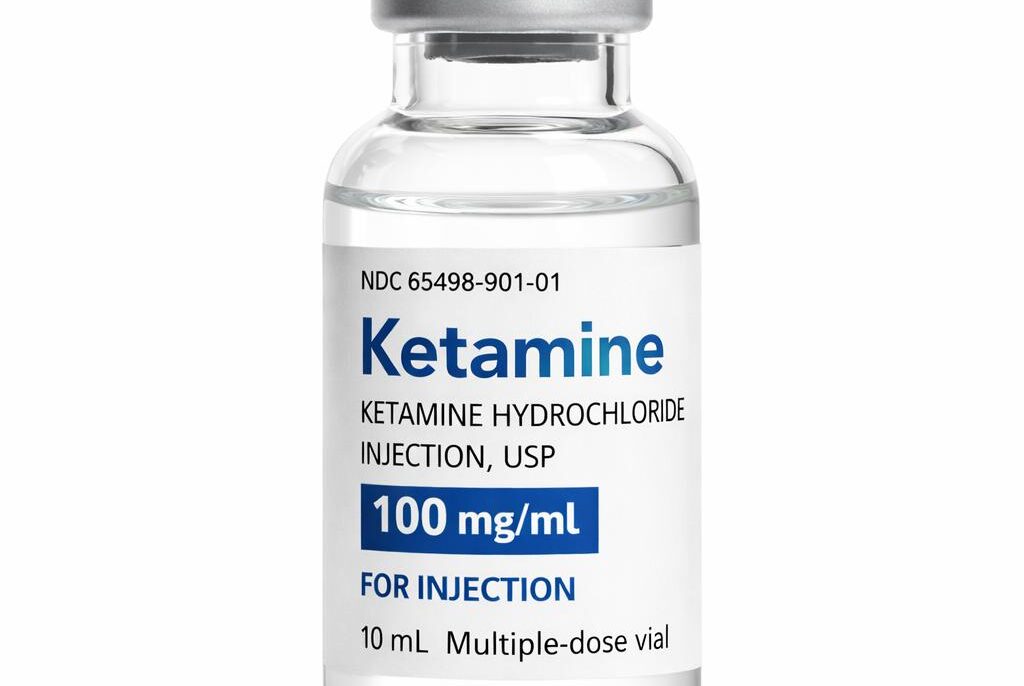
Opiates and Pain Management: Understanding Their Effects, Ketamine Research, and the Science of Ketamine Cream
Opiate: Why Understanding Pain Medication Matters
Opiates play an important role in modern pain management, but their effects extend beyond relieving physical discomfort. These substances influence the brain, nervous system and body’s response to pain. While prescription opiates can help patients manage certain medical conditions, misuse can lead to dependence, addiction and serious health complications.
The development of alternative approaches to pain management has encouraged researchers to investigate medicines with different mechanisms of action. One important example is ketamine, a medication with established anaesthetic applications and growing research interest in pain science.
At KetamineResearchLabs, we explore the scientific importance of ketamine, its pharmaceutical characteristics and the research surrounding formulations such as ketamine cream.
Pain Has More Than One Biological Pathway
Pain is not simply a signal travelling from an injured body part to the brain. It involves a complex communication network connecting nerves, the spinal cord and different regions of the brain.
Understanding this network helps explain why different medicines produce different effects.
The opioid pathway
Opiates interact with opioid receptors, particularly mu-opioid receptors. These receptors help regulate pain perception, reward and other biological functions.
When an opioid activates these receptors, it can reduce the transmission of pain signals. This explains why doctors prescribe medicines such as morphine and codeine for selected painful conditions.
However, opioid receptor activation can also slow breathing, cause constipation and influence the brain’s reward system. Repeated exposure may result in tolerance and physical dependence.
The glutamate pathway
Ketamine works differently. It primarily blocks NMDA receptors, which participate in glutamate signalling.
Glutamate is one of the nervous system’s major excitatory neurotransmitters. It contributes to learning, memory, communication between nerve cells and pain processing.
By influencing NMDA receptor activity, ketamine can produce dissociative anaesthesia and analgesic effects. This different mechanism has made it an important subject in modern neuroscience and pain research.
Comparing Opiates and Ketamine
Although both can influence pain perception, they do not belong to the same pharmacological category.
| Feature | Opiates | Ketamine |
|---|---|---|
| Main action | Activate opioid receptors | Primarily blocks NMDA receptors |
| Drug category | Opioid analgesics | Dissociative anaesthetic |
| Medical applications | Selected moderate to severe pain conditions | Anaesthesia and selected specialist applications |
| Important risks | Dependence and respiratory depression | Dissociation, increased blood pressure and other adverse effects |
| Addiction treatment | Certain opioids have approved OUD treatment roles | Not an established OUD treatment |
This distinction matters because ketamine should not be marketed as a direct replacement for opioid medicines or as a proven solution to opioid addiction.
What Makes Ketamine Important to Medical Science?
Ketamine has attracted attention because its pharmacological effects extend across several areas of medical research.
Anaesthesia and surgical care
Ketamine has an established role as a general anaesthetic. Healthcare professionals use it in selected diagnostic and surgical procedures. Its ability to produce dissociative anaesthesia makes it valuable in particular clinical circumstances.
Pain management research
Scientists investigate ketamine because NMDA receptors contribute to central sensitisation, a process in which the nervous system becomes increasingly responsive to pain signals.
This process can contribute to persistent pain in certain conditions. By influencing NMDA receptor activity, ketamine may help clinicians manage selected complex pain situations under specialist supervision.
Mental health research
Ketamine-related treatments have also changed scientific discussions about depression. Esketamine, a related medicine, has specific approved indications for certain adults in the United States and requires supervised administration.
Neuroscience and brain plasticity
Ketamine has helped researchers investigate glutamate signalling and synaptic plasticity. These processes influence how nerve cells communicate and adapt.
The scientific importance of ketamine therefore extends beyond one medical application.
For official information, consult the FDA prescribing information for ketamine injection.
Ketamine Cream: Exploring Topical Pain Research in Greater Detail
One area that deserves closer scientific attention is ketamine cream.
Ketamine cream refers to a topical formulation containing ketamine. Researchers and clinicians have explored compounded topical formulations in attempts to address certain localised pain conditions, particularly those involving abnormal nerve signalling.
To understand why scientists investigate this formulation, it helps to understand neuropathic pain.
What is neuropathic pain?
Neuropathic pain occurs when nerves or parts of the nervous system become damaged or dysfunctional.
People experiencing this type of pain may describe:
- Burning or electric-like sensations.
- Tingling or numbness.
- Increased sensitivity to touch.
- Shooting or stabbing discomfort.
- Persistent pain following nerve injury.
Unlike ordinary pain caused by temporary tissue damage, neuropathic pain may continue because the nervous system itself has changed how it processes signals.
Why are researchers interested in ketamine cream?
Ketamine’s interaction with NMDA receptors provides a scientific reason to investigate its possible topical applications.
NMDA receptors participate in central sensitisation and pain signalling. Researchers have therefore explored whether topical ketamine could influence certain pain-related processes when applied to the skin.
Potential research areas include complex regional pain syndrome, painful diabetic neuropathy and other forms of neuropathic pain.
However, it is essential to distinguish scientific interest from proven clinical effectiveness. Current evidence does not establish compounded ketamine cream as a consistently effective treatment for these conditions.
Potential advantages being investigated
Topical formulations have attracted interest because they are designed for application to a particular area rather than administration throughout the body.
Researchers have explored whether this approach could provide localised effects and whether it could become useful within carefully selected pain-management strategies.
However, topical application does not guarantee that ketamine stays within the skin. Absorption can vary according to formulation, skin condition, concentration and other factors.
What should patients and researchers understand?
The FDA reports that evidence supporting compounded topical pain creams remains limited. These preparations are not FDA-approved as finished medicines, and their safety, effectiveness and quality have not undergone the same FDA review required for approved drugs.
Consequently, ketamine cream should is not described as a proven treatment or guaranteed source of pain relief. It requires appropriate professional evaluation, and research-grade ketamine must never be used for personal compounding or self-treatment.
Read the FDA assessment of compounded topical pain creams.
When Opiate Use Becomes a Health Concern
The medical value of opiates does not remove their risks. Some individuals develop opioid use disorder after prolonged exposure, while others experience problems associated with nonmedical use.
Warning signs include:
- Taking more medication than prescribed.
- Persistent cravings.
- Unsuccessful attempts to reduce use.
- Neglecting important responsibilities.
- Continuing consumption despite harmful consequences.
- Experiencing withdrawal when use decreases.
Effective treatments are available. In the United States, buprenorphine, methadone and naltrexone are FDA-approved medications for opioid use disorder. Healthcare professionals may combine medication with counselling and continuing recovery support.
Inside KetamineResearchLabs: Product Information and the LabsStore
Scientific research depends on accurate product descriptions, traceability and appropriate documentation.
At KetamineResearchLabs, we aim to provide research-focused information about ketamine-related products for audiences in the USA and internationally, subject to applicable laws and availability.
Our LabsStore offers visitors an opportunity to explore available product categories and their accompanying information.
When reviewing research materials, consider the following quality indicators:
- Product identity: Clear identification of the material.
- Chemical specifications: Available information about stated composition and characteristics.
- Batch traceability: Identification of individual production batches.
- Certificates of Analysis: Analytical reports that may help evaluate the identity and measured characteristics of a specific batch.
- Documentation: Relevant storage, handling and research information.
Our goal is to make product information accessible and support informed research decisions. We value transparent documentation and encourage customers to evaluate available specifications rather than rely on unsupported quality claims.
KetamineResearchLabs aims to serve research audiences in the USA and worldwide, subject to local regulations. Research-grade products are not automatically approved for human consumption, diagnosis or treatment. A Certificate of Analysis also does not establish clinical safety or effectiveness.
Visit the website to explore the available LabsStore categories and product information.
Questions Readers Often Ask
Are opiates and ketamine similar?
No. Opiates activate opioid receptors, whereas ketamine primarily blocks NMDA receptors. Their mechanisms, clinical applications and risks differ.
Can ketamine replace morphine?
Not automatically. Ketamine has a role in selected anaesthetic and specialist pain-management settings, but healthcare professionals must determine whether it is appropriate for an individual patient.
Is ketamine cream beneficial for nerve pain?
Researchers have investigated topical ketamine for neuropathic pain. However, evidence remains limited and does not establish consistent clinical benefits.
Does ketamine treat opioid addiction?
Ketamine is not an established or FDA-approved treatment for opioid use disorder. Approved options include buprenorphine, methadone and naltrexone.
Where can I explore KetamineResearchLabs products?
Visit KETAMINERESEARCHLABS.COM and browse the LabsStore for available research-focused product information.
Final Perspective: Better Knowledge Supports Better Decisions
Opiates have an established place in pain medicine, but their effects on the brain and body require careful medical supervision. Understanding their benefits, limitations and potential for dependence helps individuals make informed healthcare decisions.
Ketamine represents another important area of medical science. Its established anaesthetic applications, influence on glutamate signalling and potential relevance to specialist pain research continue to attract scientific attention. Ketamine cream remains an area of investigation, and further high-quality clinical evidence is needed to establish its effectiveness.
At KetamineResearchLabs, we encourage scientific curiosity, responsible research and transparent product information.
Explore our LabsStore and learn more about available ketamine-related research products.
Website: KETAMINERESEARCHLABS.COM
Email: [email protected]
Stay informed for your health and well-being! SHOP NOW.