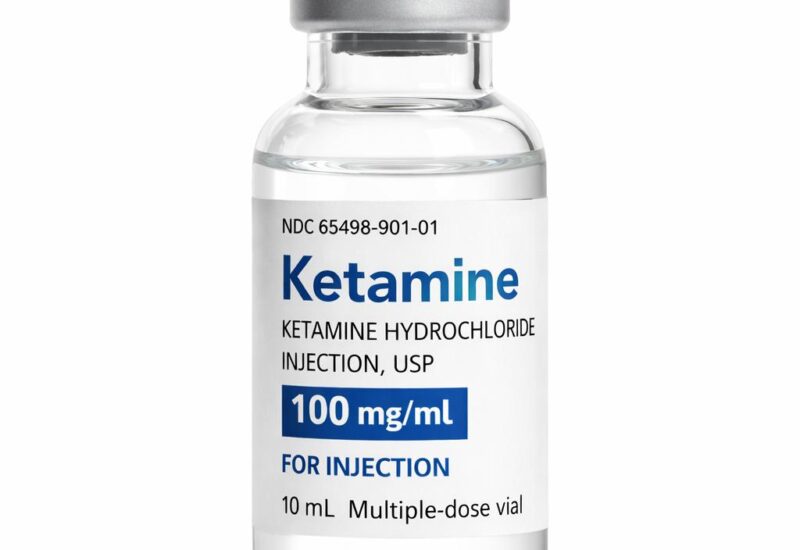
ketamine nasal spray for depression
Ketamine Nasal Spray for Depression: Treatment Research, Ketamine Cream, and What Patients Should Know
Why Researchers Are Exploring New Approaches to Depression
Ketamine nasal spray for depression has attracted attention because certain ketamine-based treatments may improve depressive symptoms relatively quickly in some people who have not responded adequately to conventional antidepressants. This has encouraged new research into treatments that work through different brain pathways.
However, not every nasal spray containing ketamine has the same evidence, regulatory status, or clinical use. The FDA-approved nasal treatment Spravato (esketamine) is different from compounded ketamine nasal sprays, and neither should be confused with topical ketamine cream.
At KetamineResearchLabs, we believe that understanding the science, product differences, and quality considerations is an important part of staying informed about ketamine-related research.
What Is Ketamine, and Why Does It Matter in Mental Health Research?
Ketamine is a medication that has traditionally been used as an anesthetic. Researchers later began investigating its effects on depression after studies suggested that it could reduce symptoms in some patients who had not benefited sufficiently from other treatments.
Unlike many conventional antidepressants, which primarily influence serotonin, norepinephrine, or related systems, ketamine acts on the brain’s glutamate signalling system, including NMDA receptors.
Glutamate is an important neurotransmitter involved in learning, memory, communication between nerve cells, and synaptic plasticity. Researchers believe that ketamine’s effects on these pathways may help explain its rapid antidepressant effects in some clinical settings. The complete mechanism is still being investigated.
Why is this significant? People experience depression differently, and a treatment that helps one person may not help another. Research into different mechanisms gives clinicians more information when considering options for treatment-resistant depression.
Nasal Spray: Understanding the Difference Between Ketamine and Esketamine
The term “ketamine nasal spray” can refer to different formulations, so it is important to distinguish them.
<text weight=”medium” size=”md”>FDA-approved esketamine nasal spray</text>
Spravato contains esketamine, a form of ketamine. In the United States, it is approved for adults with treatment-resistant depression, either alone or with an oral antidepressant, and for depressive symptoms in adults with major depressive disorder accompanied by acute suicidal ideation or behaviour, in conjunction with an oral antidepressant.
It must be administered under healthcare-provider supervision through a restricted safety programme. Patients are monitored for at least two hours after administration because sedation, dissociation, breathing problems, and increases in blood pressure can occur. FDA prescribing information.
<text weight=”medium” size=”md”>Compounded ketamine nasal spray</text>
A compounded ketamine nasal spray is prepared by a pharmacy for a particular prescription or clinical purpose. It is not the same product as FDA-approved Spravato, and it has not been approved by the FDA as a depression treatment. The FDA has warned about potential safety risks associated with compounded ketamine products used for psychiatric conditions. FDA compounding risk alerts.
These differences matter because evidence supporting one formulation cannot automatically be applied to another.
What Benefits May Esketamine Offer for Depression?
For appropriately selected adults with treatment-resistant depression, supervised esketamine treatment can offer another option when standard treatments have not provided sufficient relief.
Potential benefits supported by clinical research include:
- A different treatment mechanism: Esketamine acts on glutamate signalling rather than relying solely on the pathways targeted by many conventional antidepressants.
- Relatively rapid symptom improvement in some patients: Some patients experience improvement sooner than is typical with many traditional antidepressants, although response varies.
- An additional option for treatment-resistant depression: Clinicians may consider it after reviewing previous treatments, symptoms, medical history, and individual risk factors.
- Structured clinical monitoring: Treatment takes place under supervision, allowing clinicians to assess side effects and evaluate changes in symptoms.
These potential benefits do not mean every patient will respond or that improvement will last without continued care. Treatment plans and follow-up should be determined by qualified healthcare professionals.
Ketamine Cream: What Is It, and What Is It Used For?
Ketamine cream is a topical preparation that contains ketamine and is applied to the skin. Depending on the formulation and prescription, it may be compounded for certain pain-management situations.
It is important to understand that ketamine cream is not an established treatment for depression. Applying ketamine to the skin does not reproduce the effects or evidence associated with supervised esketamine nasal treatment.
Potential role in pain management
Some clinicians may prescribe compounded topical ketamine for selected pain conditions, including certain types of localized or neuropathic pain. The goal is to explore whether applying a medication to a particular area may help manage symptoms.
However, evidence supporting topical ketamine for pain is limited and inconsistent. Benefits have not been established for every condition, and compounded topical products are not FDA-approved as a general treatment for pain or depression.
Why formulation and professional guidance matter
The concentration, other ingredients, and method of preparation can influence how a topical product behaves. Absorption through the skin may vary, and unwanted effects can occur. Applying a cream does not guarantee that ketamine will remain confined to the application site.
For these reasons, patients should use a topical ketamine product only when it has been prescribed for them and should follow the prescriber’s instructions. Do not apply research-grade materials or products intended for laboratory use to the skin.
Ketamine Nasal Spray vs. Ketamine Cream
| Feature | Esketamine nasal spray | Compounded ketamine cream |
|---|---|---|
| Main area of clinical use | Certain forms of depression | Selected pain conditions in some clinical settings |
| Evidence | Clinical evidence supports specific approved uses | Evidence for topical pain treatment remains limited |
| FDA status in the USA | Spravato is FDA-approved for specified indications | Compounded creams are not FDA-approved as finished drugs |
| Administration | Supervised administration in a certified healthcare setting | Topical application according to an individual prescription |
| Role in depression | Approved esketamine treatment for specified adult indications | Not an established depression treatment |
This comparison highlights why a product should be evaluated according to its actual formulation, intended use, evidence, and regulatory status rather than the word “ketamine” alone.
Product Quality, Laboratory Information, and KetamineResearchLabs
KetamineResearchLabs aims to share information about ketamine-related research and product categories through its website and labsstore. Anyone reviewing a supplier should distinguish laboratory or research materials from medicines intended for human use.
When evaluating product information, consider these quality questions:
- Identity: Is the substance clearly identified?
- Testing documentation: Are applicable analytical results and batch records available?
- Purity and consistency: Does the documentation describe the methods and limits of testing?
- Storage and handling: Are appropriate conditions stated?
- Regulatory compliance: Is the product legally supplied for its stated purpose in the relevant country?
- Intended use: Is the product a licensed medicine, a compounded prescription, or laboratory material?
Laboratory documentation may help describe a sample’s characteristics, but it does not establish that a product is clinically effective, suitable for human consumption, or approved to treat a disease.
KetamineResearchLabs does not replace a licensed healthcare provider or pharmacy. Anyone considering treatment for depression or pain should seek advice from a qualified clinician and obtain medication through lawful, appropriate healthcare channels.
Safety Considerations Before Starting Treatment
Ketamine and esketamine can cause dizziness, nausea, sedation, dissociation, and temporary increases in blood pressure. More serious complications, including respiratory depression, may occur. These medicines also carry risks of misuse and dependence.
Before treatment, a clinician should review relevant medical conditions, current medications, substance-use history, and other factors that could affect safety. Patients receiving Spravato must follow its monitoring requirements and should not drive or operate machinery until the following day after a restful sleep, as directed in the prescribing information.
Ketamine cream also requires care. Avoid sharing prescription products, changing the prescribed amount, or applying them to damaged skin unless specifically instructed by the prescriber.
If depression involves thoughts of suicide or immediate danger, seek urgent local medical assistance rather than waiting for a product to work.
Frequently Asked Questions
Does ketamine nasal spray work immediately for depression?
Some patients receiving supervised esketamine experience improvement relatively quickly, but timing and degree of response vary. A clinician must assess whether treatment is appropriate and whether benefits continue over time. READ AND LEARN MORE..
Is ketamine cream helpful for depression?
Ketamine cream is not an established treatment for depression. Some compounded topical preparations have been explored for selected pain conditions, but the evidence remains limited and does not support broad claims of benefit.
Is compounded ketamine nasal spray the same as Spravato?
No. Spravato contains esketamine and has FDA-approved indications with specific safety controls. Compounded ketamine nasal sprays are different formulations and are not FDA-approved as depression treatments.
Can I buy ketamine products online and use them myself?
Do not self-treat depression with ketamine products bought online. Product claims may not be verified, and unsupervised use can cause serious harm. Consult a qualified healthcare professional and follow the laws that apply where you live.
Stay Informed With KetamineResearchLabs
Learning about ketamine-based treatments means looking beyond marketing claims to understand the science, approved uses, product differences, and safety requirements. Ketamine nasal spray, esketamine treatment, and topical ketamine cream have distinct roles and should not be treated as interchangeable products.
Visit KETAMINERESEARCHLABS.COM to explore our website and labsstore information. Review product descriptions and applicable restrictions carefully, and consult a qualified healthcare professional before making decisions about any medicine.
Email: [email protected]
Website: KETAMINERESEARCHLABS.COM
Stay informed for your health and well-being! SHOP NOW
Choose evidence-based information, prioritize product transparency, and make healthcare decisions with qualified professional guidance.