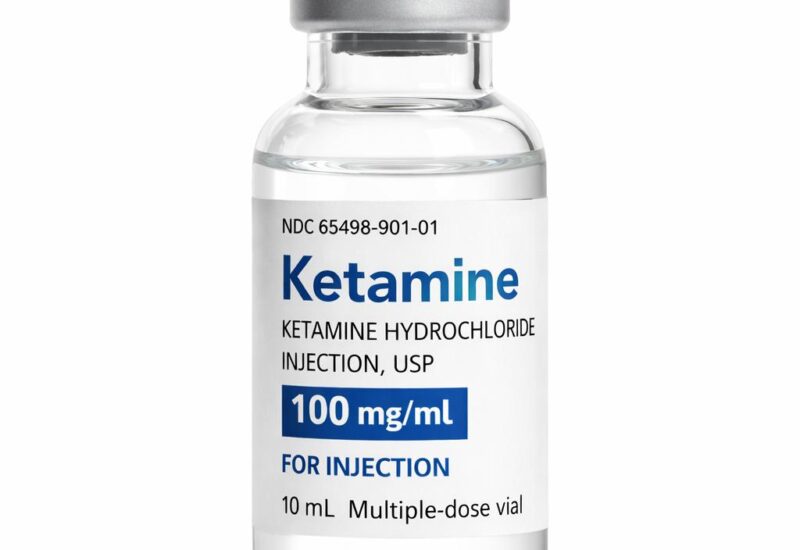
ketamine treatment United kingdom
Ketamine Treatment United Kingdom: Benefits, Depression Care, and Ketamine Cream
Introduction
Ketamine treatment United Kingdom is a topic of interest for people exploring specialist treatment options for depression, persistent pain, and other health conditions. Ketamine has established medical uses as an anaesthetic, and researchers have investigated its potential to relieve symptoms of treatment-resistant depression. A related medicine, esketamine nasal spray, is licensed in the UK for specific depression indications.
Looking for ketamine treatment in the UK? Learn about its potential effectiveness, available clinical pathways, and the importance of professional support. It is equally important to understand the differences between supervised ketamine treatment and ketamine cream, which has not been established as a treatment for depression.
KetamineResearchLabs provides information about ketamine-related products and research. By learning about the evidence, product specifications, and applicable regulations, readers can make more informed decisions about their health.
What Is Ketamine Treatment?
Ketamine is a medicine that acts on the brain and nervous system, including through its effects on NMDA receptors involved in glutamate signaling. Clinicians have used ketamine as an anaesthetic and for pain management. Researchers have also studied its rapid effects on depressive symptoms in some people who have not responded adequately to standard treatments.
In the UK, ketamine itself is not licensed specifically for depression, although specialist clinicians may prescribe it off-label within appropriate clinical governance. Esketamine, a related but distinct medicine, has a UK licence for certain cases of treatment-resistant depression. Availability and funding depend on the clinical circumstances and local arrangements.
How might ketamine help with depression?
Some patients experience improvement in depressive symptoms within hours or days of supervised ketamine treatment. Researchers believe that its effects on glutamate signaling may influence connections between nerve cells and mood-related pathways.
However, response varies. Some people experience short-term relief, while others receive limited benefit. Clinicians must assess symptoms, medical history, side effects, and ongoing treatment needs. Ketamine should not be viewed as a guaranteed cure or a replacement for comprehensive mental healthcare.
Ketamine Treatment Options in the United Kingdom
People researching ketamine treatment in the UK may encounter several different approaches. These options have different evidence, regulatory status, and monitoring requirements.
1. Intravenous ketamine
Intravenous ketamine is delivered into the bloodstream in a clinical setting. Some specialist services consider it for carefully selected patients with depression that has not improved with other treatments.
A treatment programme may involve an initial series of sessions followed by clinical reviews. The number and frequency of sessions depend on the provider’s protocol, the patient’s response, and safety considerations. Before treatment, patients should receive a thorough assessment and an explanation of possible benefits, risks, costs, and alternatives.
2. Esketamine nasal spray
Esketamine is a specific form of ketamine developed for medical use. In the UK, a prescription nasal spray is licensed for certain adults with treatment-resistant depression, usually in combination with an oral antidepressant, according to its approved indication.
Treatment requires professional supervision and monitoring because esketamine can cause dissociation, dizziness, sedation, and increases in blood pressure. Although it is licensed, NICE has not recommended it for routine NHS use for treatment-resistant depression in England. Access may differ between UK nations and individual services.
3. Psychological and ongoing support
Medication alone may not address every aspect of depression. Clinicians may recommend psychological therapy, existing antidepressant treatment, lifestyle support, or a coordinated care plan alongside specialist treatment.
Follow-up is important because improvements can vary in duration. A structured plan helps clinicians monitor progress, identify side effects, and decide whether treatment should continue.
What Is Ketamine Cream?
Ketamine cream is a topical preparation containing ketamine, sometimes combined with other ingredients by a compounding pharmacy. Researchers have explored topical ketamine for selected localized pain conditions, including some forms of neuropathic pain.
A cream may seem convenient because it is applied to the skin rather than taken orally or administered by infusion. However, convenience does not establish effectiveness. The amount absorbed can vary according to the formulation, skin condition, application area, and other factors.
Ketamine cream has not been established as an effective treatment for depression or anxiety. Evidence for compounded topical ketamine in pain management is also limited and inconsistent. It should not be promoted as a proven way to improve general health, mood, or brain function. <Cite refs={[“turn228420search3″,”turn228420search10”]}/>
Potential Benefits and Limitations of Ketamine Cream
1. A possible option for selected localized pain
Some clinicians have explored topical ketamine for localized or nerve-related pain when conventional approaches have not provided sufficient relief. Its potential role depends on the condition, formulation, and available clinical evidence.
Research has not established consistent benefits across pain conditions. Patients should ask a qualified clinician whether a topical treatment is appropriate and whether better-supported options are available.
2. Targeted application
A cream can be applied to a particular skin area as directed by a prescriber. This may be practical in some treatment plans, but it does not guarantee that enough medicine will reach the intended tissues or that the treatment will relieve pain.
3. Individualized formulation
Compounded creams may contain different concentrations or combinations of ingredients. That flexibility makes professional assessment and accurate labeling especially important. A product prepared for one person or condition should not automatically be used by another person.
4. Safety considerations
Topical application does not remove all risks. Ketamine may be absorbed through the skin, and compounded products can vary in quality and composition. Possible concerns include skin irritation, unexpected systemic effects, interactions with other medicines, and accidental exposure to children.
Use ketamine cream only when prescribed and supplied through a lawful, appropriate healthcare pathway. Follow the prescriber’s instructions, and do not apply it to broken skin or large areas unless specifically directed.
Ketamine Products and Their Importance
Ketamine-related products can differ significantly in formulation, concentration, intended purpose, and regulatory status. Anyone reviewing a product should examine its ingredient information, labeling, quality documentation, storage instructions, and lawful availability.
Responsible product information helps consumers distinguish between established medical uses, investigational applications, and unsupported marketing claims. No product should be considered suitable for treating depression simply because it contains ketamine.
KetamineResearchLabs shares information about ketamine-related products through its website and Labs Store. Visitors should review the documentation provided for each listing and consult qualified healthcare professionals before considering any medicine for health-related use.
Is Ketamine Treatment Safe?
Ketamine can cause dissociation, dizziness, nausea, sedation, changes in perception, and increased blood pressure. It can impair coordination and judgment. Repeated misuse has also been associated with dependence, urinary tract and bladder damage, and cognitive difficulties.
Before treatment, clinicians should assess medical history, current medicines, cardiovascular risks, and other factors that may affect safety. Supervised treatment includes monitoring and follow-up, but monitoring cannot eliminate every risk.
Do not purchase ketamine products online for self-treatment or change prescribed treatment without medical advice. In the UK, ketamine is a controlled drug, and people should verify the legal status of any product and its intended use.
If you are experiencing depression, speak with your GP or a qualified mental health professional about suitable options. If you may harm yourself or are in immediate danger, contact emergency services or seek urgent mental health support. Click here to read and learn more..
Explore KetamineResearchLabs and Our Labs Store
KetamineResearchLabs aims to provide product information for people researching ketamine-related offerings. The Labs Store lists products for customers to review, with product suitability and lawful use depending on the specific item and local regulations.
We encourage visitors to check available specifications, documentation, and intended-use information before making decisions. Product availability does not establish that an item is approved for treating depression, anxiety, or pain in the UK.
Visit KETAMINERESEARCHLABS.COM to explore the website and Labs Store, learn about available listings, and review the information provided for each product.
Conclusion: Take an Informed Step Towards Better Health
Ketamine treatment in the United Kingdom includes specialist options that may help selected patients, particularly when depression has not improved with standard care. The appropriate approach depends on clinical assessment, the specific medicine, and professional monitoring.
Ketamine cream has been investigated for certain localized pain conditions, but current evidence does not establish it as a treatment for depression or anxiety. Understanding these differences helps people evaluate claims carefully and seek care suited to their needs.
Stay informed for your health and well-being!
Explore KETAMINERESEARCHLABS.COM and our Labs Store for product information. For general product enquiries, contact [email protected].
SHOP NOW: Review product details, check applicable UK regulations, and seek qualified medical guidance before considering any product for health-related use.