how long does ketamine work for depression
How Long Does Ketamine Work for Depression? Duration, Benefits, and Ketamine Cream
Introduction
How long does ketamine work for depression? This is an important question for people exploring new options for managing persistent depressive symptoms. Ketamine has attracted attention because some patients experience improvements in mood within hours of medically supervised treatment, particularly when other treatments have not provided sufficient relief.
Discover how long ketamine’s antidepressant effects may last, what influences treatment outcomes, and what patients can expect from this developing area of mental health care. Although some people experience rapid improvement, the duration varies, and ongoing treatment may be necessary.
At KetamineResearchLabs, we recognize the importance of understanding ketamine, its different formulations, and the evidence behind its medical applications. This guide explains treatment duration, potential benefits, ketamine cream research, and the importance of responsible product evaluation.
How Long Does Ketamine Work for Depression?
The duration of ketamine’s antidepressant effects depends on the formulation, treatment protocol, individual response, and severity of symptoms.
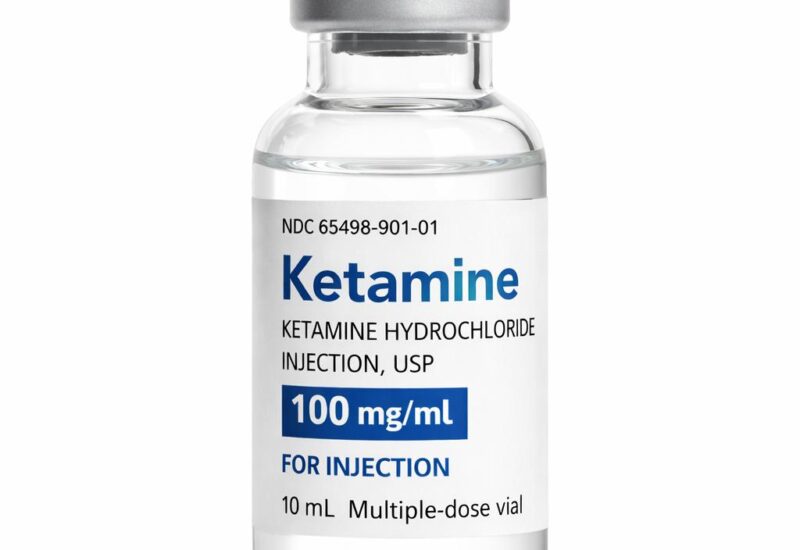
After a single medically supervised intravenous ketamine infusion, some patients report improvements within hours. Benefits may last several days and, in some cases, around one to two weeks. However, some people experience shorter-lasting effects, while others do not respond meaningfully.
These timeframes are general observations, not guarantees. A rapid response does not necessarily mean that depression has resolved or that symptoms will remain improved.
1. Effects After a Single Ketamine Treatment
Some clinical studies have found that depressive symptoms can improve within hours following a ketamine infusion. This relatively rapid onset distinguishes ketamine from many conventional antidepressants, which often take several weeks to produce their full effects.
The duration of improvement varies considerably. Some patients experience only brief relief, while others report benefits that continue for several days or longer.
Healthcare professionals assess symptoms, side effects, and overall progress to determine appropriate next steps.
2. How Long Can Repeated Treatments Help?
Some specialist protocols involve an initial series of treatments followed by reassessment. In selected patients, repeated treatment may help maintain symptom improvement for longer than a single treatment.
However, the optimal schedule depends on the treatment being used and the patient’s clinical circumstances. Repeated ketamine exposure can increase concerns about adverse effects, and treatment frequency should never be determined independently.
3. What About Esketamine?
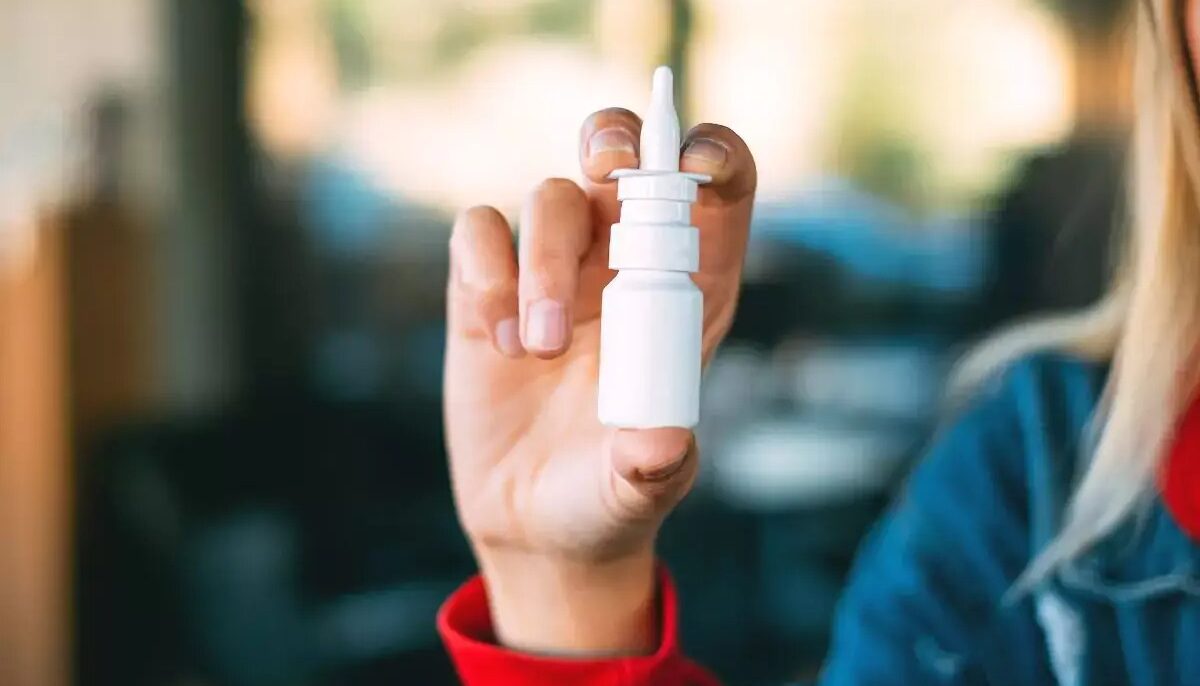
Esketamine is a medication related to ketamine. In the United States, prescription esketamine nasal spray is approved for specific depression indications under defined clinical requirements.
Its effects and maintenance schedule differ from those of intravenous ketamine. Some patients receive treatment more frequently during an initial phase and less frequently during maintenance, according to the prescribing information and clinical response.
Esketamine is administered under a regulated monitoring program because it can cause sedation, dissociation, and increases in blood pressure. It should not be treated as interchangeable with other ketamine formulations. CLICK HERE TO LEARN MORE…
What Affects How Long Ketamine Works?
Several factors can influence the duration of antidepressant effects.
- Individual biology: People can respond differently to the same treatment.
- Depression history: Symptom severity, duration, and previous treatment responses may influence outcomes.
- Treatment formulation: Intravenous ketamine and prescription esketamine have different administration protocols and evidence bases.
- Ongoing care: Psychological support, follow-up appointments, and a broader treatment plan can help clinicians monitor progress.
- Other health factors: Medical conditions, other medications, and substance use may affect safety and treatment decisions.
There is no reliable way to predict the exact duration of benefit for every person. A qualified mental health professional can explain the evidence and help assess whether a treatment is appropriate.
How Does Ketamine Work in the Brain?
Ketamine is a dissociative anesthetic that acts primarily by blocking NMDA receptors, which participate in glutamate signalling. Glutamate is a neurotransmitter involved in communication between nerve cells.
Researchers believe ketamine’s effects on glutamate pathways may influence synaptic plasticity, the process through which connections between nerve cells change and adapt. These changes may contribute to improvements in mood for some patients.
However, scientists are still studying the precise mechanisms behind ketamine’s antidepressant effects. Not everyone responds, and improvements may fade over time.
Ketamine treatment should be part of a broader mental health plan rather than viewed as a guaranteed cure for depression.
What Is Ketamine Cream?
Ketamine cream is a topical preparation containing ketamine that is applied to the skin. It has primarily been investigated for localized pain conditions, including some types of nerve-related pain.
Although ketamine cream and other ketamine formulations contain the same active drug, they are not interchangeable. A topical cream does not produce the same established treatment effect as medically supervised intravenous ketamine or prescription esketamine used for depression.
In the United States, compounded ketamine cream is not FDA-approved, and its safety and effectiveness have not been established through the FDA drug-approval process.
There is currently insufficient evidence to establish ketamine cream as an effective treatment for depression. People experiencing depressive symptoms should discuss treatments supported by clinical evidence with a qualified healthcare professional.
Potential Benefits and Research Into Ketamine Cream
Ketamine cream has attracted interest mainly because of its possible role in localized pain management. Understanding the potential applications also means understanding the limitations of the evidence.
1. Research Into Localized Pain
Researchers have studied topical ketamine for certain neuropathic pain conditions. Its activity at NMDA receptors provides a scientific reason to investigate whether it could influence pain processing.
However, findings have been mixed, and meaningful benefits have not been consistently demonstrated across the conditions studied.
2. A Different Method of Medication Application
Topical preparations provide an alternative to oral or injectable administration. In selected circumstances, a qualified prescriber may consider a compounded cream as part of an individualized pain-management plan.
The effects depend on the formulation, skin condition, application area, and amount absorbed. Topical application does not automatically eliminate systemic side effects or medication interactions.
3. Supporting Individualized Pain Management
Persistent pain can affect sleep, movement, work, and emotional well-being. Depending on the diagnosis, care may involve physical therapy, established medications, psychological support, and other evidence-based treatments.
Ketamine cream should only be considered when a clinician believes it is appropriate. It should not be presented as a proven depression treatment or a substitute for established care.
Ketamine Products and Their Importance
Ketamine products are available in different formulations, each with its own intended use, evidence base, and regulatory requirements.
When evaluating ketamine-related products, consider:
- Product specifications: Ingredients, concentration, and formulation should be clearly documented.
- Quality information: Relevant testing and manufacturing documentation should be verifiable where applicable.
- Regulatory status: Product availability and permitted uses differ between countries.
- Professional oversight: Ketamine intended for medical treatment should be obtained and used through legally authorized channels.
Ketamine can cause dissociation, dizziness, nausea, sedation, and increased blood pressure. Repeated misuse has also been associated with dependence, bladder damage, and cognitive problems.
Do not use ketamine products for self-treatment or assume that a product listing establishes its safety, effectiveness, or approval for human use.
KetamineResearchLabs and the Labs Store
KetamineResearchLabs.com provides an online destination for reviewing ketamine-related product information and available Labs Store listings.
We encourage readers to assess product descriptions, specifications, and relevant quality documentation before making decisions. Product availability and applicable laws vary by jurisdiction, and online listings do not establish that a product is approved for medical use.
Ketamine is a prescription medication in the United States. Customers should verify the legal status and intended use of any product they consider, especially when purchasing across borders.
Our website’s product information should not replace medical advice. Anyone considering ketamine treatment for depression should consult a qualified healthcare professional who can explain appropriate options, potential benefits, and risks.
Ketamine Safety and Ongoing Depression Care
Ketamine treatment requires appropriate clinical assessment and monitoring. Depending on the formulation, it may cause dissociation, sedation, impaired coordination, and increases in blood pressure.
People should not stop prescribed antidepressants or change their treatment plan without discussing it with their clinician. Alcohol and other sedating substances can increase risks when combined with ketamine.
If depression worsens or thoughts of self-harm develop, seek urgent professional support or contact local emergency services.
Frequently Asked Questions
How quickly does ketamine work for depression?
Some patients experience improvements within hours after medically supervised treatment. Others respond more slowly or do not experience meaningful improvement.
How long do the effects last?
After a single intravenous treatment, benefits may last several days and sometimes around one to two weeks, although duration varies. Continued treatment may be considered by a specialist when appropriate.
Does ketamine cream help depression?
Ketamine cream has primarily been investigated for localized pain. It is not an established treatment for depression, and evidence of its effectiveness for this purpose is insufficient.
Can ketamine permanently cure depression?
No. Ketamine is not a guaranteed or permanent cure. Some people experience meaningful improvement, but symptoms may return, and continuing care may be needed.
Conclusion: Stay Informed for Your Health and Well-Being
Understanding how long ketamine works for depression can help readers form realistic expectations about this developing treatment option. Some patients experience rapid improvements that last several days or longer, but individual responses vary and ongoing care may be required.
Ketamine cream is a separate formulation that has mainly been studied for localized pain. Its potential benefits remain uncertain for many conditions, and it should not be promoted as a proven treatment for depression.
At KetamineResearchLabs, we encourage informed product evaluation, reliable documentation, and professional guidance for all medical decisions.
Contact KetamineResearchLabs
Stay informed for your health and well-being! Visit KETAMINERESEARCHLABS.COM to review available product information and Labs Store listings. Make informed choices and consult a qualified healthcare professional about depression treatment options.