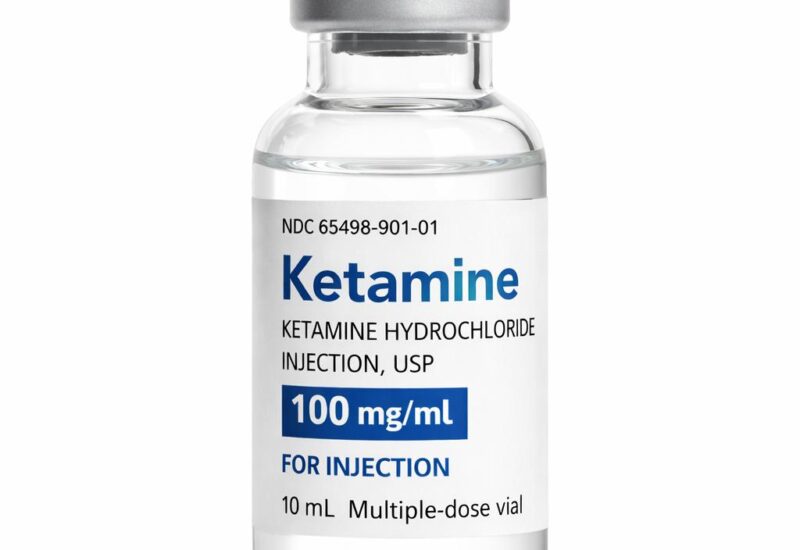
is ketamine an opioid
Is Ketamine an Opioid? Understanding Ketamine, Ketamine Cream, and Medical Uses
Introduction: Is Ketamine an Opioid?
Is ketamine an opioid? No. Ketamine is not an opioid. It is a dissociative anesthetic that works primarily by blocking NMDA receptors in the brain, which are involved in glutamate signaling. Opioids, by contrast, act mainly on opioid receptors to reduce pain and produce other effects.
Discover the truth about ketamine! Learn how it differs from opioids and its unique uses in medicine and mental health treatment.
Ketamine has important applications in modern medicine, including anesthesia and selected mental health settings. Researchers have also explored different formulations, including ketamine cream, for potential applications in localized pain management. Understanding how these products work, what evidence supports their use, and what risks they carry helps readers make informed decisions.
What Is Ketamine?
Ketamine is a medication that has been used in clinical anesthesia for decades. It affects communication between nerve cells by blocking NMDA receptors, which respond to glutamate, an important neurotransmitter.
Unlike opioids, ketamine does not primarily relieve pain by activating mu-opioid receptors. Its different mechanism explains why clinicians may consider it in particular medical situations where other approaches have limitations.
Medical professionals use ketamine as an anesthetic, while certain ketamine-based treatments are also used in carefully selected mental health settings. For example, esketamine, a related medication, is approved in the United States for specific depression indications under regulated prescribing and monitoring requirements.
However, ketamine is not appropriate for everyone. Its effects depend on the formulation, dose, route of administration, medical circumstances, and supervision provided.
Ketamine vs. Opioids: What Is the Difference?
Although ketamine and opioids can both affect pain, they work differently.
- Ketamine: Primarily blocks NMDA receptors and alters glutamate signaling. It is used as an anesthetic and has other selected medical applications.
- Opioids: Activate opioid receptors and include medications such as morphine and fentanyl. They are used for certain types of pain but can cause dependence and potentially fatal respiratory depression.
- Pain management: Both may have roles in specific clinical situations, but the appropriate choice depends on the patient’s condition and professional assessment.
- Safety considerations: Ketamine can cause dissociation, increased blood pressure, impaired coordination, and other adverse effects. Opioids carry significant risks of sedation, respiratory suppression, dependence, and overdose.
Ketamine is not risk-free simply because it is not an opioid. Repeated misuse can lead to dependence, bladder problems, cognitive effects, and other serious complications.
What Is Ketamine Cream?
Ketamine cream is a topical preparation containing ketamine that is applied to the skin. It has attracted interest in pain management because topical formulations are intended to deliver medication to a particular area rather than administer it orally or intravenously.
Some preparations are compounded by pharmacies when a healthcare professional determines that an individualized formulation may be appropriate. The ingredients, concentration, and absorption characteristics can vary between products.
Ketamine cream should not be confused with injectable ketamine or other ketamine-based medications. Each formulation has different properties, uses, and safety considerations.
Importantly, compounded ketamine cream is not FDA-approved in the United States. Its safety and effectiveness have not been established through the FDA drug approval process.
How Does Ketamine Cream Work?
Ketamine primarily affects NMDA receptors. These receptors participate in the processing of pain signals and communication within the nervous system.
Researchers have investigated whether topical ketamine may influence localized pain pathways, particularly in some conditions involving nerve-related pain. However, applying ketamine to the skin does not guarantee that a therapeutically effective amount will reach the relevant tissues.
Absorption depends on several factors, including the formulation, skin condition, application area, and other ingredients. Different compounded creams may therefore produce different effects.
The evidence supporting topical ketamine remains limited and inconsistent. Some studies have explored potential benefits, while others have not demonstrated meaningful improvements compared with placebo. A healthcare professional should assess whether a particular preparation is suitable for an individual’s circumstances. By learning more, Visit…..
Potential Benefits and Research on Ketamine Cream
1. Research Into Localized Pain
Ketamine cream has been studied for certain localized pain conditions, including neuropathic pain associated with nerve damage. This research reflects scientific interest in how NMDA receptor activity may contribute to pain processing.
However, ketamine cream should not be described as a proven treatment for all types of pain. Evidence varies by condition, and further high-quality research is needed.
2. Individualized Topical Formulations
A healthcare professional may consider a compounded topical preparation when standard options are unsuitable for a particular patient. Any potential benefit depends on the clinical circumstances and the specific formulation.
The decision should involve a review of available evidence, possible alternatives, potential adverse effects, and the patient’s medical history.
3. The Importance of Responsible Pain Management
Pain can affect sleep, mobility, work, and quality of life. Effective pain management often involves a combination of approaches tailored to the individual.
Depending on the diagnosis, these may include physical therapy, established medications, psychological support, and other evidence-based interventions. Ketamine cream should only be considered within an appropriate clinical plan rather than as a universal solution.
Ketamine Cream Safety and Important Precautions
Topical application does not automatically make a medication safe. Ketamine may be absorbed through the skin, and the extent of absorption can vary.
Potential concerns include skin irritation, systemic adverse effects, interactions with other medications, and unintended exposure to other people. Risks may be greater when products have uncertain ingredients or are used in ways that were not prescribed.
For safer decision-making:
- Obtain prescription ketamine products through legally authorized healthcare professionals and pharmacies.
- Use a compounded preparation only under appropriate medical guidance.
- Do not apply it to broken skin or large areas unless specifically instructed by a qualified clinician.
- Keep medication away from children and other people who could accidentally be exposed.
- Seek medical advice about potential interactions, existing health conditions, and unexpected symptoms.
A healthcare professional can explain whether a particular preparation is appropriate and what monitoring may be needed.
KetamineResearchLabs: Product Information and Research Resources
At KetamineResearchLabs, we recognize the importance of clear product information and education about ketamine formulations. Understanding the differences between ketamine, opioid medications, topical preparations, and other formulations helps readers evaluate information more responsibly.
Our website and Labs Store resources can be used to review available product descriptions and published specifications. Product quality should be assessed through verifiable documentation, accurate ingredient information, appropriate testing, and compliance with applicable laws.
Ketamine is a prescription medication in the United States. Product availability and legal requirements vary by formulation and jurisdiction. Readers should not assume that an item listed online is FDA-approved, suitable for human use, or authorized for sale in every country.
We encourage customers and researchers to review product documentation carefully and consult qualified professionals where medical decisions are involved.
Frequently Asked Questions
Is ketamine an opioid?
No. Ketamine is a dissociative anesthetic that primarily blocks NMDA receptors. Opioids act mainly on opioid receptors.
Can ketamine cream help with pain?
It has been investigated for selected localized pain conditions, but the evidence remains limited and inconsistent. A qualified healthcare professional should determine whether it is appropriate.
Is ketamine cream FDA-approved?
Compounded ketamine cream is not FDA-approved in the United States. Its safety and effectiveness have not been established through the FDA approval process.
Is ketamine safer than opioids?
Neither medication class is universally safer. Each has distinct risks, and the appropriate treatment depends on the medical situation, formulation, and professional supervision.
Where can I learn more about ketamine products?
Visit KetamineResearchLabs.com to review available product information and educational resources. Verify product specifications and applicable legal requirements before making decisions.
Conclusion: Stay Informed for Your Health and Well-Being
So, is ketamine an opioid? No. Ketamine and opioids act through different mechanisms, although both may have roles in selected pain management settings.
Ketamine cream is an area of research interest, particularly for localized pain, but its clinical benefits have not been firmly established. Responsible use requires accurate product information, appropriate medical guidance, and an understanding of potential risks.
Explore KetamineResearchLabs product information and Labs Store resources to learn more about available offerings and their documented specifications. Choose products responsibly and prioritize reliable evidence over unsupported health claims.
Contact KetamineResearchLabs
- Email: [email protected]
- Website: KETAMINERESEARCHLABS.COM
Visit our website to explore available information and stay informed about ketamine research, formulations, and safety. For personal treatment decisions, consult a qualified healthcare professional.
Stay informed for your health and well-being! SHOP NOW