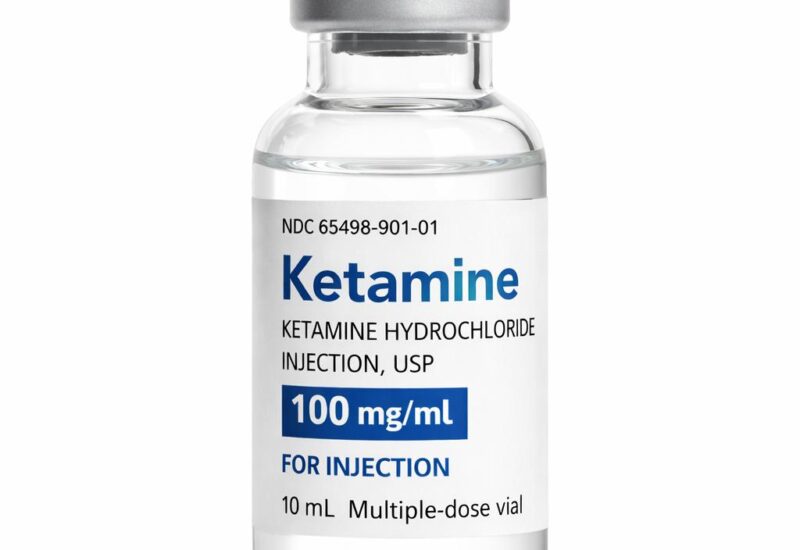
Crystal DMT
Crystal DMT: Scientific Research, Human Health, and the Connection to Ketamine
Introduction to Crystal DMT
Crystal DMT is a crystalline form of N,N-dimethyltryptamine, a powerful psychedelic compound that researchers study for its effects on perception, cognition, and consciousness. Interest in psychedelics has grown as scientists investigate how these substances interact with the brain and whether certain compounds might have therapeutic applications.
Understanding Crystal DMT requires a closer look at its chemistry, neurological effects, research limitations, and potential health implications. It also helps to distinguish DMT research from ketamine research because these substances work differently and have different levels of clinical evidence.
At KetamineResearchLabs, educational information about ketamine and related scientific topics can help readers understand the importance of responsible research, accurate product documentation, and evidence-based healthcare decisions.
What Is Crystal DMT?
DMT belongs to the tryptamine class of compounds. Its molecular formula is C₁₂H₁₆N₂, and it occurs naturally in certain plants. Scientists can also synthesize the compound.
DMT interacts with serotonin receptors in the brain, particularly the 5-HT2A receptor. This interaction contributes to profound changes in perception, sensory processing, and the subjective experience of reality.
People who report DMT experiences sometimes describe vivid imagery, altered awareness, and a changed perception of time. However, experiences vary considerably, and no particular psychological or spiritual outcome can be guaranteed.
The crystalline appearance of a substance does not establish its identity, purity, or quality. Reliable analytical testing is necessary to determine its actual composition. LEARN MORE..
Crystal DMT and Human Health: What Does Research Show?
Scientists continue to investigate psychedelic compounds to understand their neurological effects and possible therapeutic applications. However, scientific interest does not establish that a particular substance provides a health benefit.
1. Research into Consciousness and Perception
DMT offers researchers an opportunity to investigate how brain processes contribute to conscious experience. By studying changes in perception and cognition, scientists can explore the relationship between serotonin signaling, sensory processing, and subjective awareness.
These investigations may contribute to broader neuroscience knowledge. They do not establish Crystal DMT as a treatment for neurological or psychological conditions.
2. Mental Health Research
Researchers have explored psychedelic compounds in relation to depression, anxiety, and other mental health conditions. However, findings from one psychedelic cannot automatically be applied to another.
At present, evidence does not establish Crystal DMT products as safe and effective treatments for depression, PTSD, anxiety, addiction, or other health conditions. Anyone experiencing these conditions should consult a qualified healthcare professional about established treatment options.
3. Understanding Potential Risks
DMT can produce intense psychological experiences, including fear, confusion, and panic. It may also affect heart rate and blood pressure. Unverified formulations introduce additional uncertainty about composition and exposure.
People with existing medical conditions or those taking medications should seek professional medical advice before considering psychedelic substances. Severe symptoms after exposure require immediate medical attention.
Important: Research into a substance’s pharmacology should never be confused with proof that a commercial product improves human health.
Crystal DMT vs. Ketamine: Understanding the Difference
Although Crystal DMT and ketamine both attract scientific interest, they are pharmacologically different substances.
Crystal DMT primarily acts on serotonin receptors and can produce intense alterations in perception and consciousness.
Ketamine primarily acts as an NMDA receptor antagonist. Clinicians use ketamine as an anesthetic, and specific ketamine formulations have recognized medical applications. In the United States, esketamine, a related but distinct medication, has an FDA-approved indication for certain patients with treatment-resistant depression under specified conditions.
Researchers continue to investigate ketamine’s antidepressant effects and the biological processes that may contribute to them. Appropriate patient selection, medical supervision, and monitoring remain essential.
These distinctions matter because evidence supporting a particular ketamine treatment does not demonstrate that DMT has the same effects or benefits.
Why Ketamine Research Matters
Ketamine research has contributed to scientific understanding of depression and alternative approaches to mental healthcare. Unlike traditional antidepressants, ketamine can produce relatively rapid antidepressant effects in some appropriately selected patients, although responses vary and benefits may not last without further treatment.
Researchers continue to investigate several important questions:
- Mechanisms of action: How does ketamine influence glutamate signaling and neural communication?
- Treatment response: Which patients are most likely to benefit from supervised treatment?
- Safety and monitoring: How can clinicians identify adverse effects and provide appropriate follow-up?
- Long-term outcomes: What treatment schedules and support strategies provide the best balance of benefits and risks?
These research questions highlight the importance of qualified healthcare professionals, reliable scientific evidence, and responsible clinical practice.
Ketamine is not appropriate for everyone. Clinicians must assess medical history, potential contraindications, interactions, and individual treatment needs before prescribing it.
KetamineResearchLabs: Product Information and Research Awareness
KetamineResearchLabs provides an opportunity for readers to explore information related to ketamine products, scientific topics, and product documentation.
When evaluating any laboratory or pharmaceutical product, readers should prioritize transparent ingredient information, verified specifications, appropriate quality documentation, and compliance with applicable laws.
Product claims should reflect reliable evidence. Marketing descriptions alone cannot establish purity, clinical effectiveness, or suitability for human use.
Ketamine is a prescription medication in the United States. Its lawful distribution, possession, and use depend on applicable regulations and the specific product involved. Readers should verify that any products or services offered through a supplier comply with relevant requirements.
The same principles apply to research involving Crystal DMT: accurate chemical identification and appropriate legal authorization are essential, and unverified products should not be presented as established medical treatments.
Frequently Asked Questions About Crystal DMT
Is Crystal DMT beneficial to human health?
Researchers study DMT to understand its effects on the brain and consciousness. However, current evidence does not establish Crystal DMT products as safe and effective medical treatments.
Can Crystal DMT treat depression or anxiety?
There is insufficient clinical evidence to recommend Crystal DMT as an established treatment for depression or anxiety. People seeking treatment should discuss evidence-based options with a qualified healthcare professional.
Is Crystal DMT the same as ketamine?
No. DMT primarily affects serotonin receptors, while ketamine primarily blocks NMDA receptors. Their pharmacology, medical uses, and research evidence differ.
Why is ketamine research important?
Ketamine research helps scientists understand its potential role in depression treatment, its mechanisms of action, patient selection, and safety monitoring. Medical use requires appropriate professional supervision.
Conclusion: Stay Informed for Your Health and Well-Being
Crystal DMT remains a subject of scientific interest because of its effects on perception and consciousness. However, researchers have not established commercial Crystal DMT products as safe and effective treatments for human health conditions.
Ketamine research represents a separate area of medical science, with recognized clinical uses and ongoing investigations into mental health treatment. Understanding the differences between these substances helps readers evaluate scientific claims responsibly.
For information about ketamine-related research, product documentation, and applicable quality standards, contact KetamineResearchLabs through the details below.
Contact KetamineResearchLabs
- Email: [email protected]
- Website: KETAMINERESEARCHLABS.COM
Explore available educational resources and product documentation, and verify all relevant legal and medical requirements before considering any regulated product. Stay informed, prioritize reliable evidence, and consult qualified healthcare professionals for medical guidance. SHOP NOW