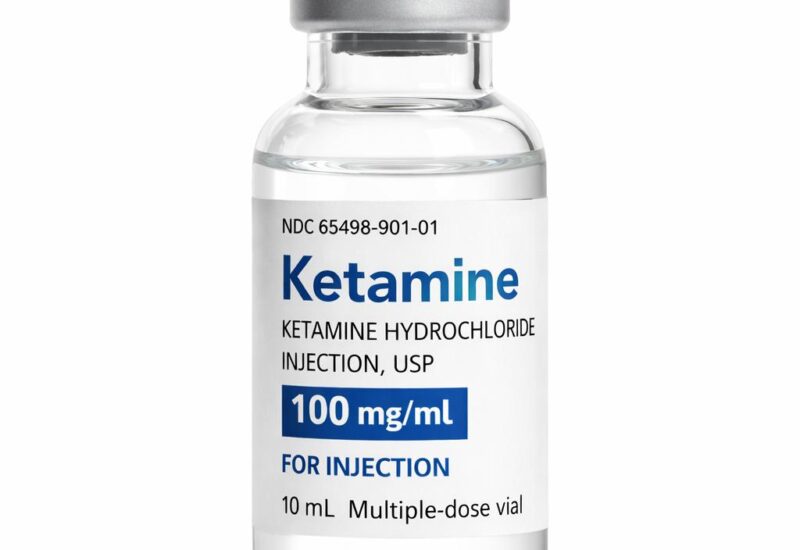
ketamine addiction treatment United states of America
Ketamine Addiction Treatment United States of America: Recovery Options, Ketamine Cream, and Product Information
Introduction
Ketamine addiction treatment United States of America is an important topic for individuals and families seeking information about ketamine dependence, recovery support, and safer healthcare decisions. Although ketamine has legitimate medical uses, repeated misuse can lead to dependence, cravings, withdrawal symptoms, and serious health complications. Effective recovery often requires professional assessment, psychological support, and a personalized treatment plan.
Discover effective ketamine addiction treatment options in the USA. Find support and regain control of your life with compassionate, professional care. Understanding ketamine’s medical applications, potential risks, and the limitations of products such as ketamine cream can help people make informed decisions.
KetamineResearchLabs provides information about ketamine-related products and its Labs Store. Our goal is to help visitors review product information carefully while understanding the difference between medical treatment, scientific research, and unsupported health claims.
What Is Ketamine, and Why Can Dependence Develop?
Ketamine is a dissociative anaesthetic used in medical settings. It affects brain signaling, including NMDA receptors involved in glutamate activity. Clinicians use ketamine for anaesthesia, while researchers continue to study its potential role in certain mental health and pain conditions.
However, repeated nonmedical use can result in tolerance, meaning a person may need more of the substance to experience similar effects. Some individuals develop cravings, continue using ketamine despite harmful consequences, or struggle to reduce their use.
Long-term misuse has been associated with bladder and urinary tract damage, abdominal pain, memory difficulties, mood changes, and other complications. Dependence can also affect employment, relationships, finances, and emotional well-being.
Recognizing these problems early can help people seek support before the consequences become more severe. Ketamine-related problems should be addressed without shame; professional help and recovery support are available.
Ketamine Addiction Treatment Options in the United States
Treatment for ketamine dependence should be tailored to the individual’s health, pattern of use, withdrawal symptoms, and mental health needs. No single approach works for everyone, and evidence for specific medications used to treat ketamine dependence remains limited.
1. Medical and mental health assessment
A qualified healthcare professional can assess ketamine use, physical symptoms, mental health, other substances, and current medications. This evaluation helps determine whether outpatient care, residential treatment, or hospital-based assessment is appropriate.
People who use ketamine frequently or in large amounts should seek medical advice before making major changes to their use. A clinician can identify complications and recommend appropriate support.
2. Counseling and behavioral therapies
Psychological support can help people understand their triggers, recognize high-risk situations, and develop healthier coping strategies. Approaches such as cognitive behavioral therapy and motivational interviewing may form part of an individualized recovery plan.
Counseling can also address stress, anxiety, depression, relationship difficulties, and other factors that may contribute to substance use. Family support and peer recovery groups may help some individuals maintain progress.
3. Treatment for physical complications
Chronic ketamine misuse can cause painful urinary symptoms, frequent urination, blood in the urine, or abdominal discomfort. Medical evaluation is important because some complications can become serious without treatment.
Severe abdominal pain, inability to urinate, blood in the urine, confusion, or other alarming symptoms require prompt medical attention. Emergency care should be sought when symptoms are severe.
4. Ongoing recovery and relapse prevention
Recovery often requires continuing support rather than a single appointment. A relapse-prevention plan may include regular counseling, healthier routines, social support, and strategies for managing cravings.
People with coexisting mental health conditions may benefit from coordinated care. Treatment should address the whole person, not only ketamine use.
The Substance Abuse and Mental Health Services Administration (SAMHSA) explains how evidence-based substance-use treatment can combine clinical care, medication where appropriate, and behavioral therapies. Ketamine dependence requires its own individualized assessment because established treatment evidence remains limited.
Can Ketamine Treat Addiction?
This question requires an important distinction: treatment for ketamine addiction is not the same as using ketamine as a potential treatment for another substance-use disorder.
Researchers have investigated ketamine-assisted approaches for certain substance-use disorders, sometimes alongside psychotherapy. Early findings have generated interest, but evidence remains limited, and larger, well-controlled studies are needed to establish long-term benefits and risks.
Ketamine is not an established, routine treatment for ketamine dependence itself. It should not be used independently to manage cravings, withdrawal, depression, or other substance-related problems.
In the United States, ketamine is a controlled substance. Its use requires attention to applicable regulations, clinical supervision, and the potential for misuse. For people struggling with ketamine dependence, an addiction-informed healthcare professional is the appropriate starting point. Click here to learn more..
What Is Ketamine Cream?
Ketamine cream is a topical preparation containing ketamine. Depending on the product, it may be formulated by a compounding pharmacy and supplied under specific medical instructions.
Researchers have investigated topical ketamine for certain localized pain conditions, including some forms of nerve-related pain. The proposed purpose is to deliver medication to a particular skin area rather than administer it through an injection or another route.
However, the potential usefulness of a cream depends on its formulation, concentration, intended application, and the condition being treated. Evidence supporting topical ketamine remains limited for many uses, and research has not established consistent benefits across pain conditions.
Ketamine cream is not an established treatment for ketamine addiction, depression, or anxiety. It should not be marketed as a proven way to detoxify the body, eliminate cravings, or improve overall health.
Potential Benefits and Limitations of Ketamine Cream
1. Research into localized pain relief
One potential area of interest is the use of topical ketamine for certain localized pain conditions. Some clinicians and researchers have explored whether it may help selected patients when conventional approaches have not provided adequate relief.
Nevertheless, evidence is inconsistent. The National Academies’ review of compounded topical pain creams found insufficient evidence to establish that topical ketamine is superior to placebo for several neuropathic pain conditions. More research is needed before broad health claims can be justified.
2. Convenient topical application
A cream can be applied to a specified skin area when a healthcare professional has recommended it. This may offer practical advantages in some treatment plans, but topical application does not guarantee effective absorption or meaningful pain relief.
The amount absorbed can vary with the formulation, skin condition, application area, and other factors. Users should follow professional instructions rather than assume that more frequent or greater application will produce better results.
3. Formulation and product information
Topical preparations may differ in concentration, ingredients, and preparation standards. Clear labeling and reliable documentation are therefore important when evaluating any product.
A responsible product listing should explain its ingredients, intended use, storage requirements, and relevant limitations. Product availability alone does not prove that a cream is clinically effective or appropriate for an individual.
4. Safety and responsible use
Ketamine cream may cause local irritation or other unwanted effects, and systemic absorption is possible. The risks depend on the formulation and how it is used. Accidental exposure can also be dangerous, particularly for children.
Use ketamine cream only through a lawful, appropriate medical pathway. Do not apply it to broken skin, use another person’s prescription, or combine it with other medications without professional advice.
For individuals receiving treatment for ketamine dependence, a topical ketamine product should not replace addiction treatment or medical follow-up.
Ketamine Products and Their Importance
Ketamine-related products serve different purposes, and their suitability depends on the formulation, intended use, regulatory status, and individual circumstances. Medical ketamine preparations, topical formulations, and products intended for research are not automatically interchangeable.
When reviewing a product, consumers should examine:
- Product specifications: Ingredients, concentration, and formulation details where available.
- Quality documentation: Relevant testing information and documentation supplied by the provider.
- Intended use: Whether the product is intended for an approved medical purpose, prescribed use, or a lawful research application.
- Storage and handling: Instructions that help maintain product integrity and reduce accidental exposure.
- Regulatory compliance: Whether the product may legally be supplied, purchased, or used in the relevant location.
These checks support informed decisions and help consumers avoid unsupported claims. No website or product description should replace advice from a qualified healthcare professional.
Discover KetamineResearchLabs and Our Labs Store
KetamineResearchLabs shares information about ketamine-related products through KETAMINERESEARCHLABS.COM and our Labs Store. Visitors can review available listings, product descriptions, and the documentation supplied for individual items.
We encourage customers to evaluate product information carefully and verify applicable laws before purchasing. We do not suggest that ketamine products cure addiction or that ketamine cream provides guaranteed health benefits. Product suitability depends on the specific item, its intended use, and relevant professional guidance.
For customers in the United States and other regions, legal requirements may differ. Always confirm that a product is permitted in your location and appropriate for its stated purpose.
Conclusion: Take an Informed Step Toward Recovery
Ketamine addiction treatment in the United States can involve medical assessment, counseling, treatment of physical complications, and continuing recovery support. Because research into treatments specifically for ketamine dependence remains limited, an individualized professional plan is essential.
Ketamine cream has been investigated for certain localized pain conditions, but its benefits are not firmly established for many uses. It is not a proven treatment for ketamine addiction, and it should not replace appropriate medical care.
At KetamineResearchLabs, we encourage informed product evaluation, responsible decisions, and accurate understanding of ketamine-related products.
Stay informed for your health and well-being! SHOP NOW.
Explore KETAMINERESEARCHLABS.COM and visit our Labs Store to review available product information and documentation.
Contact us: [email protected]
KETAMINERESEARCHLABS.COM — Review product details, understand the limitations, and make informed decisions.