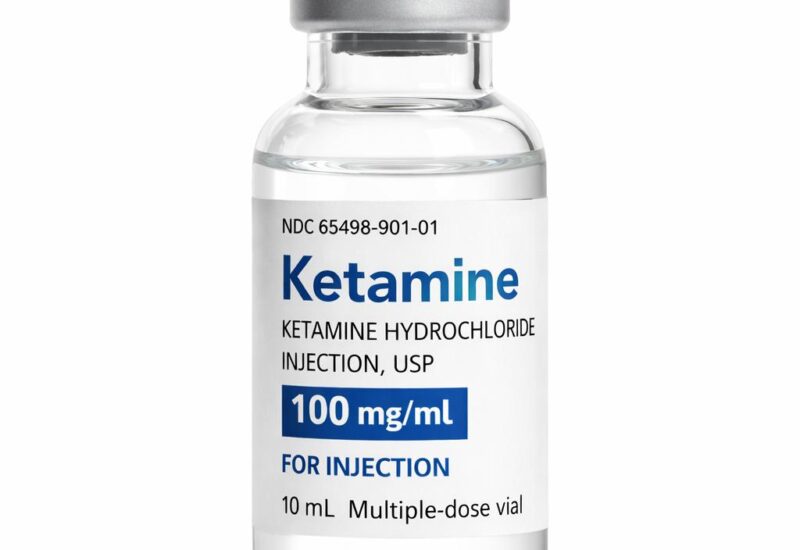
what is ketamine used for
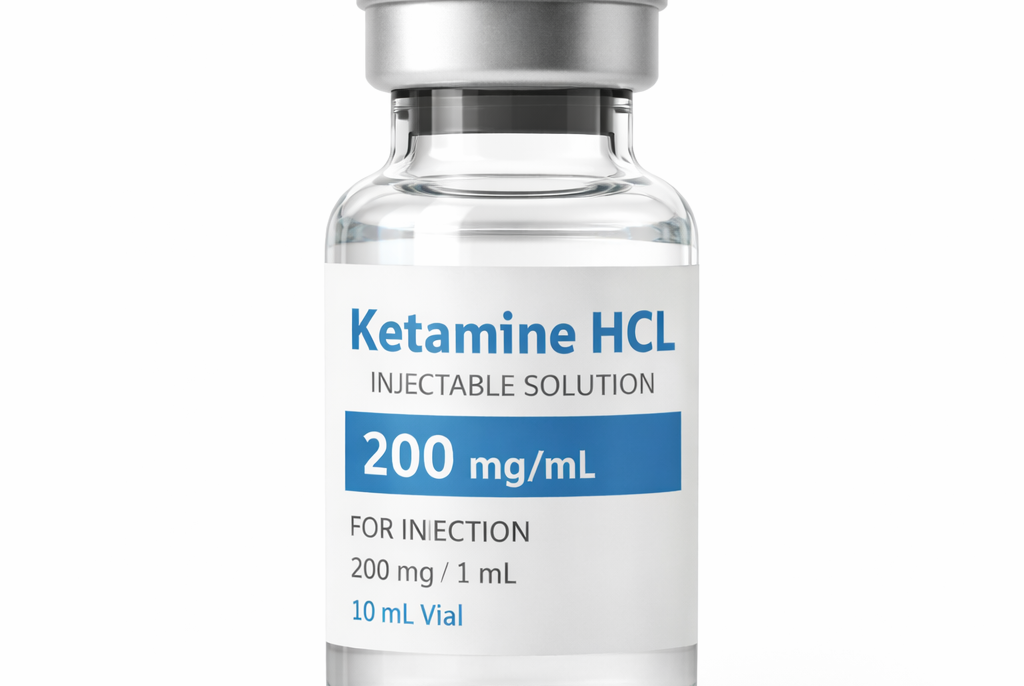
What Is Ketamine Used For? Understanding Ketamine, Ketamine Cream, and Its Medical Applications
Introduction: What Is Ketamine Used For?
What is ketamine used for? Ketamine is a medication primarily used for anesthesia, but researchers and healthcare professionals have also explored its role in certain pain-management and mental health settings. Its distinctive effects on the brain have made it an important subject in modern medicine, particularly in research involving treatment-resistant depression and selected chronic pain conditions.
Explore the science behind ketamine, understand how it works, and discover what research says about ketamine cream and other formulations. Although ketamine may offer benefits in specific medical circumstances, its effectiveness depends on the condition, formulation, and clinical supervision provided.
At KetamineResearchLabs, we believe that reliable product information and health education help people make more informed decisions. This guide explains ketamine’s medical applications, the potential role of ketamine cream, and important considerations for anyone researching ketamine products.
What Is Ketamine?
Ketamine is a dissociative anesthetic that has been used in medical practice for decades. It acts primarily by blocking N-methyl-D-aspartate (NMDA) receptors, which participate in glutamate signalling in the brain.
Glutamate is an important neurotransmitter involved in learning, memory, communication between nerve cells, and other neurological processes. By changing NMDA receptor activity, ketamine can produce anesthetic, analgesic, and dissociative effects.
Ketamine is available in different formulations, including injectable medications used in clinical settings. Its uses and risks vary according to the formulation, route of administration, dose, and patient’s medical circumstances.
Ketamine is not suitable for everyone. Healthcare professionals consider medical history, existing medications, cardiovascular health, and the reason for treatment before deciding whether it is appropriate.
What Is Ketamine Used For in Medicine?
1. Anesthesia and Surgical Procedures
One of ketamine’s established medical uses is anesthesia. It can help induce a state in which patients experience reduced awareness of their surroundings and diminished pain perception during certain procedures.
Ketamine may be useful in selected emergency, surgical, and procedural settings. Unlike many other anesthetic agents, it often preserves breathing and certain protective airway reflexes better than some alternatives, although serious breathing and airway complications can still occur.
Qualified medical professionals select the anesthetic approach according to the procedure, the patient’s condition, and the available monitoring and emergency equipment.
2. Pain Management
Ketamine has analgesic properties, meaning it can reduce pain under certain circumstances. Clinicians may consider it in selected acute pain situations or specialist pain-management settings, including some cases where conventional treatments have not provided sufficient relief.
Ketamine affects pain processing through NMDA receptor activity and other neurological pathways. Researchers have investigated whether these effects can help manage certain forms of complex or neuropathic pain.
However, ketamine is not a universal treatment for chronic pain. Benefits vary by condition, and its use requires an assessment of potential adverse effects, interactions, and alternative treatments.
3. Depression and Mental Health Research
Ketamine has received significant research attention for treatment-resistant depression, a condition in which patients have not responded adequately to standard treatments.
Some clinical studies have found that medically supervised ketamine treatment can reduce depressive symptoms relatively quickly in certain patients. The effects may be temporary, and continued care or additional treatment may be needed.
Esketamine, a related medication, has specific approved indications in some countries. It is different from ketamine itself and must be used according to its applicable prescribing and monitoring requirements.
Ketamine treatment should be managed by qualified healthcare professionals. It is not a replacement for a comprehensive mental health assessment, and it can cause dissociation, increased blood pressure, sedation, and other adverse effects.
What Is Ketamine Cream?
Ketamine cream is a topical preparation that contains ketamine and is applied to the skin. It has attracted interest in pain management because topical medicines can be designed for application to a particular area of the body.
Some ketamine creams are compounded by pharmacies for specific patients when a qualified prescriber determines that an individualized formulation may be appropriate. The concentration, ingredients, and method of preparation can differ between products.
Ketamine cream should not be confused with injectable ketamine or medicines used in supervised depression treatment. Each formulation has different characteristics and must be evaluated separately.
Importantly, compounded ketamine cream is not FDA-approved in the United States. Its safety and effectiveness have not been established through the FDA drug-approval process.
How Does Ketamine Cream Work?
Ketamine primarily affects NMDA receptors, which are involved in the processing of pain signals and communication between nerve cells. Researchers have investigated whether applying ketamine to the skin can influence localized pain pathways.
However, the amount of ketamine absorbed through the skin depends on the formulation, the application area, skin condition, and other ingredients. Applying a cream does not guarantee that a sufficient amount will reach the tissues involved in a particular pain condition.
Because compounded formulations vary, their effects may differ. Evidence supporting topical ketamine remains limited and inconsistent, and some studies have not found meaningful benefits over placebo for the conditions examined.
A healthcare professional can help determine whether a topical preparation has a reasonable role in an individual’s treatment plan. By learning more visit …..
Potential Benefits and Importance of Ketamine Cream
1. Research Into Localized Pain
Ketamine cream has been studied for certain types of localized and nerve-related pain. This research reflects interest in how NMDA receptor activity contributes to pain signalling.
Some patients may seek topical formulations when conventional approaches have not provided satisfactory relief. Nevertheless, ketamine cream has not been established as an effective treatment for every type of pain, and results cannot be guaranteed.
2. A Topical Option for Individualized Care
Topical medications can offer a different method of application from oral or injectable treatments. In selected circumstances, a prescriber may consider a compounded cream as part of an individualized plan.
The potential advantages depend on the formulation, the diagnosis, and the available evidence. Topical application does not automatically prevent systemic absorption or eliminate medication-related risks.
3. Supporting a Broader Pain-Management Plan
Pain can affect sleep, mobility, work, and quality of life. Effective treatment often combines several approaches, such as physical therapy, established medications, psychological support, and condition-specific care.
Ketamine cream should only be considered where a qualified clinician believes it is appropriate. It should not replace proven treatments without a professional review.
Ketamine Products: Quality, Information, and Responsible Use
Ketamine products differ in formulation, concentration, intended purpose, and regulatory status. Understanding these differences is essential before evaluating any product description.
When reviewing ketamine-related products, look for:
- Clear product specifications: Ingredients, formulation, and intended use should be accurately described.
- Verifiable quality documentation: Relevant testing and manufacturing information should be available where applicable.
- Regulatory compliance: Product availability and permitted uses vary between countries.
- Appropriate professional oversight: Ketamine intended for medical treatment should be obtained and used through legally authorized channels.
Do not assume that a product is approved for human use, clinically effective, or appropriate for self-treatment simply because it is listed online.
KetamineResearchLabs and the Labs Store
KetamineResearchLabs.com provides an online destination for reviewing ketamine-related product information and available Labs Store listings. Customers and researchers should examine product descriptions, documentation, and applicable restrictions before making decisions.
Our goal is to support informed product evaluation by encouraging attention to specifications, quality documentation, and responsible handling. Availability and legal requirements differ across jurisdictions, so customers should verify that any product they consider is lawful for their intended purpose.
Ketamine is a prescription medication in the United States. Product listings should not be interpreted as proof of FDA approval, suitability for human use, or authorization to purchase or import a product in every country.
For personal treatment decisions, consult a qualified healthcare professional rather than relying solely on online product descriptions.
Ketamine Safety: What Should You Know?
Ketamine can cause dissociation, dizziness, nausea, sedation, elevated blood pressure, and impaired coordination. It can also interact with other medicines and substances.
Repeated misuse has been associated with dependence, urinary tract and bladder damage, and cognitive problems. Ketamine can be particularly dangerous when combined with alcohol, opioids, or other sedating substances.
For safer decision-making:
- Use prescribed ketamine only as directed by a qualified healthcare professional.
- Do not self-administer products intended for clinical use.
- Discuss existing conditions and medications with your clinician.
- Keep ketamine products away from children and other people who could be exposed accidentally.
- Seek urgent medical attention for severe symptoms or a suspected overdose.
Frequently Asked Questions
What is ketamine mainly used for?
Ketamine is primarily used as an anesthetic. It also has selected applications in pain management and is being studied and used in carefully supervised settings for certain mental health conditions.
Can ketamine cream help with chronic pain?
Researchers have investigated topical ketamine for some localized and nerve-related pain conditions, but evidence remains limited and inconsistent. A clinician should assess whether it is appropriate.
Is ketamine cream FDA-approved?
Compounded ketamine cream is not FDA-approved in the United States. Its safety and effectiveness have not been established through the FDA approval process.
Can I buy ketamine products online?
Laws vary by country and product type. Ketamine is a prescription medication in the United States, and a product listing does not establish that a purchase is lawful or that a product is approved for human use.
Conclusion: Stay Informed for Your Health and Well-Being
Understanding what ketamine is used for helps explain its importance in anesthesia, selected pain-management settings, and ongoing mental health research. Ketamine cream is another area of scientific interest, particularly for localized pain, but its benefits have not been firmly established across conditions.
The most responsible approach is to consider the evidence, understand the risks, and seek qualified medical guidance when making treatment decisions.
Visit KETAMINERESEARCHLABS.COM to review available product information and Labs Store listings. Make informed decisions, verify applicable regulations, and prioritize your health and well-being.
Contact KetamineResearchLabs
- Email: [email protected]
- Website: KETAMINERESEARCHLABS.COM
Stay informed for your health and well-being! Explore our website and Labs Store for available product information.